As the fall season approaches, many homeowners turn their attention to preparing their lawns for the impending winter months. Proper fall lawn care can lead to a lush and healthy lawn come spring. However, there are several common mistakes that homeowners often make during this critical preparation time.
Understanding these pitfalls can help you avoid them and ensure that your lawn is in the best shape possible. From watering schedules to pest control measures, each aspect of lawn care requires attention to detail and timing. This article will guide you through ten common fall prep mistakes for lawns and how to avoid them.
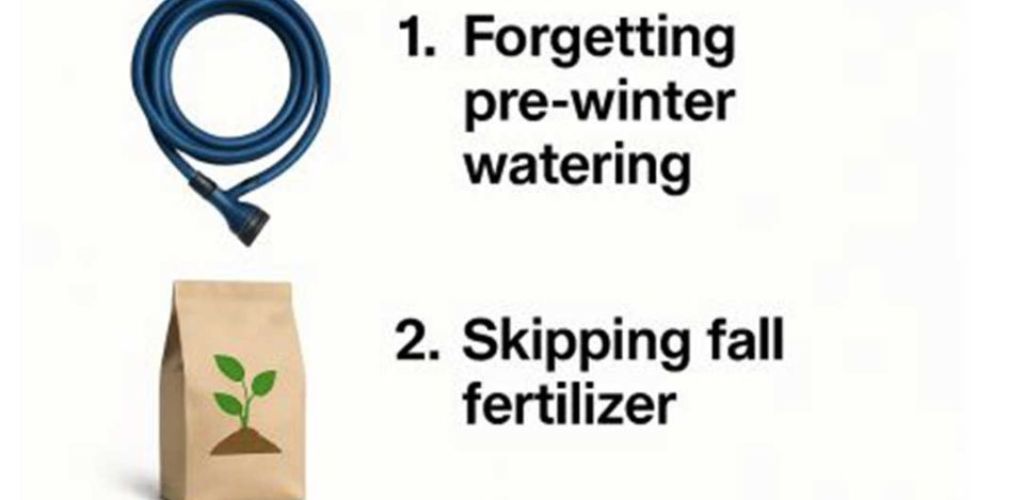
1. Forgetting Pre-Winter Watering
One of the most common mistakes is neglecting to water the lawn sufficiently before winter sets in. As temperatures drop, homeowners often assume that watering is no longer necessary. However, lawns still require hydration during the fall months to survive the winter. Ideally, your lawn should receive about 1 to 1.5 inches of water per week until the ground freezes.
Watering deeply but infrequently encourages deep root growth, which is crucial for winter survival. Consider using a rain gauge to keep track of rainfall and supplement with irrigation as needed. Ensuring your lawn is well-hydrated before winter will help it bounce back more vigorously in the spring.
2. Skipping Fall Fertilizer
Many homeowners overlook the importance of applying fertilizer in the fall, thinking that the growing season is over. However, fall is actually a critical time to fertilize your lawn. Fertilizing in the fall helps strengthen grass roots, which is essential for withstanding the cold winter months.
Choose a fertilizer with a higher potassium content, as this nutrient aids in root development and disease resistance. Apply the fertilizer in mid to late fall, about 6 to 8 weeks before the first expected frost. This timing allows the nutrients to penetrate the soil and benefit the lawn throughout the winter.
3. Not Dethatching
Thatch, a layer of dead grass and roots that sits between the soil and the live grass, can prevent water, nutrients, and air from reaching the soil if it becomes too thick. Many homeowners fail to address thatch accumulation during fall prep. It’s recommended to dethatch if the layer exceeds half an inch in thickness.
Dethatching can be done manually with a rake or mechanically with a power dethatcher. This process will help your lawn absorb the necessary nutrients and water, promoting healthier growth. Removing excess thatch in the fall will set the stage for a more vigorous lawn in the spring.
4. Waiting Too Late to Reseed
Timing is crucial when it comes to reseeding your lawn. Waiting too late in the fall to plant new grass seeds can result in poor germination and weak root development. Ideally, you should reseed in early to mid-fall when the soil is still warm, and there’s enough time for the seeds to establish before the first frost.
Choose a grass seed mix that is appropriate for your climate and lawn conditions. Ensure good seed-to-soil contact by lightly raking the seeds into the soil and keeping the area moist until the new grass is established. This will give your lawn the best chance to thrive in the coming year.
5. Ignoring Leaf Removal
Fallen leaves may seem harmless, but leaving them on your lawn throughout the fall and winter can cause significant damage. A thick layer of leaves can block sunlight, trap moisture, and create a breeding ground for mold and pests. It’s essential to regularly rake or mulch leaves to prevent these issues.
Consider using a mulching mower to chop the leaves into small pieces, which can then decompose and add nutrients back into the soil. Regular leaf removal will prevent suffocation of your lawn and promote a healthier environment for grass growth.
6. Overlooking Soil Testing
Understanding the nutrient content and pH level of your soil is crucial for effective lawn care, yet many homeowners neglect soil testing. A soil test can reveal deficiencies and guide your fertilization strategy. Fall is an excellent time to test your soil, as it allows you to make adjustments before the winter.
Soil testing kits are available at garden centers or through local cooperative extension services. Once you know the condition of your soil, you can apply the necessary amendments to ensure a balanced nutrient profile, setting your lawn up for success in the spring.
7. Mowing the Lawn Too Short
Cutting your grass too short in the fall can leave it vulnerable to damage from cold temperatures and frost. It’s a common mistake to think that shorter grass will be easier to manage over winter, but in reality, maintaining a slightly longer length (about 2.5 to 3 inches) is beneficial.
This length provides enough insulation for the crown of the grass plants, reducing the risk of cold damage. Continue to mow regularly, but adjust your mower’s blade height to ensure the grass is left at an optimal length for winter survival.
8. Neglecting to Aerate
Aeration is a crucial step in fall lawn care that many homeowners skip. Compact soil can hinder root growth and water penetration, leading to a weaker lawn. Aerating involves perforating the soil with small holes to alleviate compaction and improve air, water, and nutrient flow to the roots.
Fall is an ideal time to aerate because the grass can recover quickly and take advantage of the increased root growth opportunities before winter. Use a core aerator for the best results, and follow up with overseeding and fertilizing to maximize the benefits.
9. Misusing DIY Lawn Care Hacks
The internet is full of DIY lawn care tips, but not all of them are effective, and some can even be harmful. Common mistakes include using household products like vinegar or salt to kill weeds, which can damage the surrounding grass and soil.
It’s essential to research and understand the potential impacts of any DIY method before applying it to your lawn. Stick to proven techniques and products that are designed for lawn care to avoid unintended damage.
10. Failing to Address Pest Control
Ignoring pest control in the fall can lead to infestations that damage your lawn throughout the winter. Pests like grubs and chinch bugs can thrive during the colder months if not addressed before winter.
Inspect your lawn for signs of pest activity and apply appropriate treatments if necessary. This might include insecticidal treatments or natural methods like nematodes. Taking proactive steps in the fall can prevent significant damage and reduce the need for extensive repairs in the spring.
11. Not Adjusting Mowing Schedule for Fall
As the days grow shorter and temperatures cool, grass growth rates slow down. Many homeowners fail to adjust their mowing schedules accordingly and either mow too frequently or not enough.
Monitor your lawn’s growth and mow only when necessary, ensuring that you never remove more than one-third of the grass blade height at a time. Adjusting your mowing schedule helps maintain turf health and prevents stress on the grass during a critical time of year.