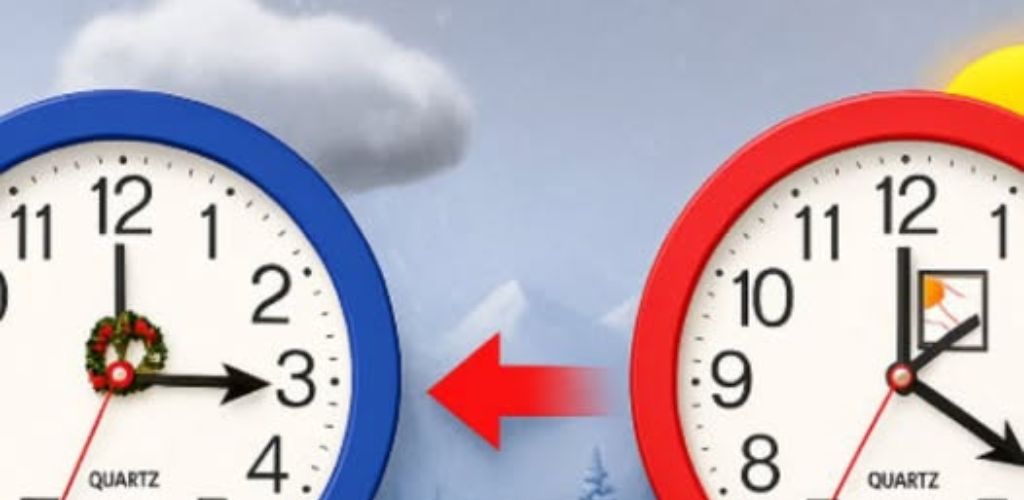
The time change is a moment that comes back year after year and influences the lives of all Romanians. In 2025, Romania will switch to winter time again, and specialists point out that this seemingly simple adjustment can have significant effects on the body. Find out when the changeover occurs, why this change is made, and what impact it can have on health.
When does the time change in Romania in 2025?
In 2025, the transition to winter time will take place on the night of October 25 to 26. Then, the clocks are set back one hour, so that 4:00 becomes 3:00. October 26 will have, practically, 25 hours, being the longest day of the year.
This year, the last Saturday of October falls earlier, meaning the change comes a little faster than in other years. Romanians will gain an hour of rest that night, but adapting to the new schedule isn’t always easy.
Why we switch to winter time
Winter time, also called “standard time”, is the return to the natural time zone, synchronized with the position of the sun. Unlike daylight saving time, which was introduced to capitalize on natural light and reduce energy consumption, winter time brings brighter mornings and earlier dark evenings.
This adjustment was justified by economic and social reasons, but now more and more specialists are questioning the real benefits, given the effects on health and lifestyle.
How the time change affects the body
Doctors warn that the transition to winter time is not without consequences. Even if it means an extra hour of sleep that night, the body can have difficulty adapting. Among the most common effects are:
difficulties concentrating and memorizing;
feeling tired throughout the day;
decreased energy levels;
sleep disorders and nighttime awakenings.
Children and the elderly are the most vulnerable, as their biological rhythms are more difficult to regulate. In some cases, the effects can last for weeks.
Recommendations for an easier adaptation
To get through the time change more easily, specialists recommend a few simple measures:
avoiding the consumption of coffee and energy drinks in the first days after the change;
maintaining a fixed sleep schedule, with regular bedtimes and wake-up times;
exposure to natural light in the morning;
moderate exercise, which helps reduce stress and improve sleep.
Adaptation is gradual, and after a few days the body generally manages to align with the new rhythm.
Time change, a topic of debate in the European Union
In recent years, the transition from summer to winter time and vice versa has been intensely discussed at European level. There have been proposals to eliminate this practice, considered outdated and more harmful than beneficial. However, the final decision has been postponed, and each member state can decide whether to maintain the rule.