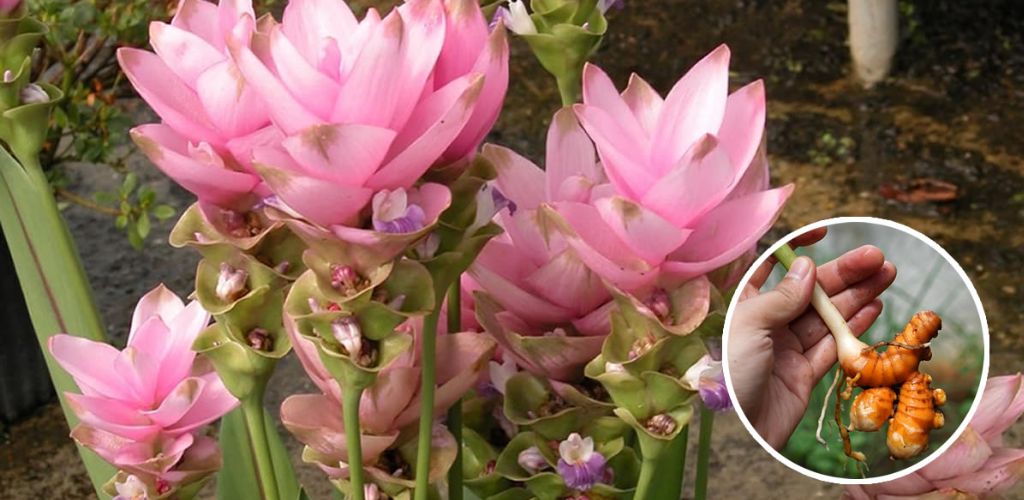
Turmeric is a spice with a myriad of beneficial properties, used in cooking and traditional medicine. It’s also a beautiful plant, with vibrant, colorful flowers. Growing turmeric at home is a rewarding experience, allowing you to have this precious spice available year-round.
Choosing the pot and soil
The ideal pot for turmeric should be at least 40 cm deep and wide enough to accommodate root development. The soil should be well-drained and rich in organic matter. A good substrate consists of peat, sand, and good-quality garden soil.
Propagation
Turmeric propagates by dividing the rhizomes. Rhizomes are the underground parts of the plant from which the roots and shoots develop. Rhizomes can be purchased from nurseries or harvested from mature plants.
To propagate turmeric, divide the rhizomes into 10 cm portions. Each portion should contain at least two buds. Plant the rhizomes in the soil, about 5 cm deep.
Position
Turmeric loves sun and heat. Place the plant in a bright, sunny spot where temperatures are above 18°C.
Irrigation
Turmeric requires regular, but not excessive, watering. Let the soil dry out between waterings.
Fertilization
During the growing season, fertilize the turmeric every 15 days with a liquid fertilizer for flowering plants.
Collection
Turmeric is harvested about nine months after planting. The rhizomes are ready to harvest when they are well developed and golden.
To harvest turmeric, dig the rhizomes out of the ground and let them dry in a dry, ventilated place. Once dry, the rhizomes can be stored in a cool, dry place for several months.
Tips for abundant flowering
To encourage turmeric to flower, follow these tips:
- Place the plant in a bright, sunny location, where temperatures are above 18°C.
- Water regularly, but not excessively. Let the soil dry out between waterings.
- Fertilize during the growing season, every 15 days with a liquid fertilizer for flowering plants.
- Removal of faded flowers.
If you follow these tips, your turmeric will bloom abundantly and add a touch of color and beauty to your home.
Here are some additional tips for growing turmeric at home:
- If you live in an area with cold winters, it’s advisable to protect the plant during its dormant period. You can move it to a sheltered spot or cover it with a tarp or agrofabric.
- If you want to use turmeric as a spice, you can harvest the rhizomes while they’re still young and tender. Mature rhizomes are more aromatic, but also harder and more difficult to grate.
- Turmeric flowers are edible and can be used in cooking. They have a delicate, aromatic flavor.