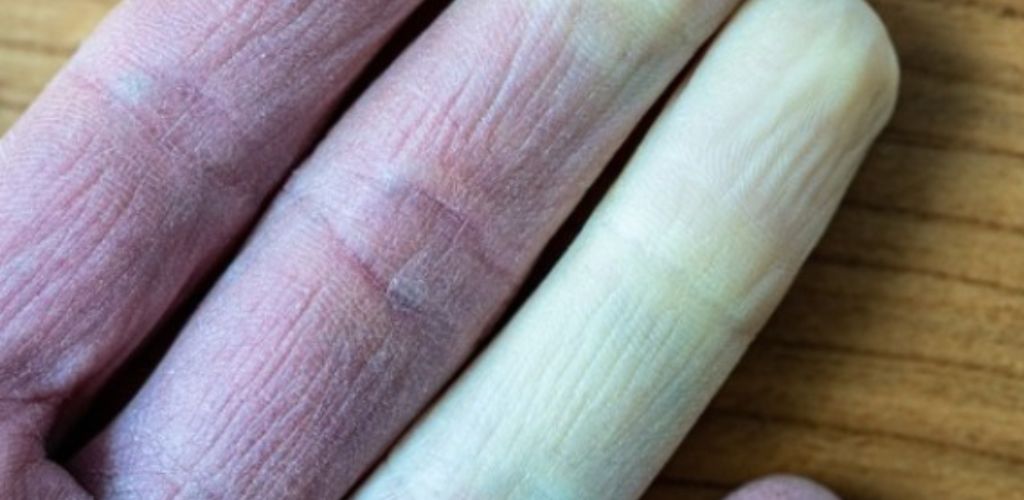
Imagine this: on a typical winter day, you go outside with your bare hands to get your mail.
When you get home, your fingers are white, almost waxy, and then they turn blue… and you wonder what’s going on.
Is it just a cold? Or is it a sign of something deeper? If this sounds familiar, it could be Raynaud’s phenomenon. And it’s time to stop missing out.
When the cold really pinches your fingers
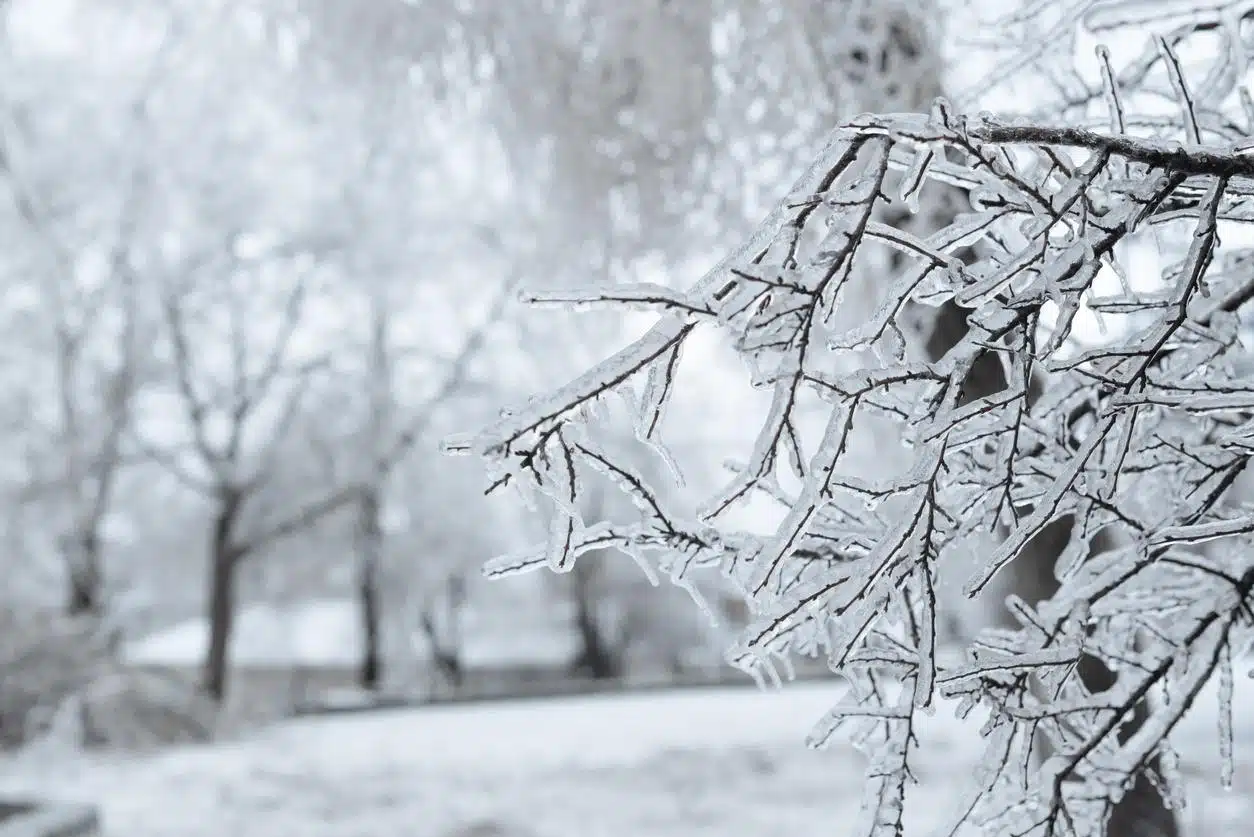
Raynaud’s phenomenon isn’t just a winter illness. It’s a circulatory disorder in which the tiny arteries that supply blood to the skin constrict excessively when exposed to cold… or even stress. This phenomenon, called vasoconstriction , temporarily blocks blood flow to certain parts of the body, especially the fingers and toes.
The result : a sudden and dramatic color change. The tips turn white or even blue before returning to their normal color after heating. This can last for several minutes, sometimes up to fifteen .
What symptoms should I look out for?
Dr. James O’Donovan, a health and aging specialist, warns about the characteristic symptoms of this syndrome:
- Color change : The skin changes color from white to blue, and sometimes to red when exposed to heat.
- Sensation of extreme cold in fingers and toes.
- Numbness, tingling, or even temporary loss of sensation.
- Sometimes other areas, such as the nose, mouth, or ears , can be affected .
For most people, these symptoms are mild—unpleasant but not serious. However, in some cases, they can indicate a more serious health problem.
When should you worry?
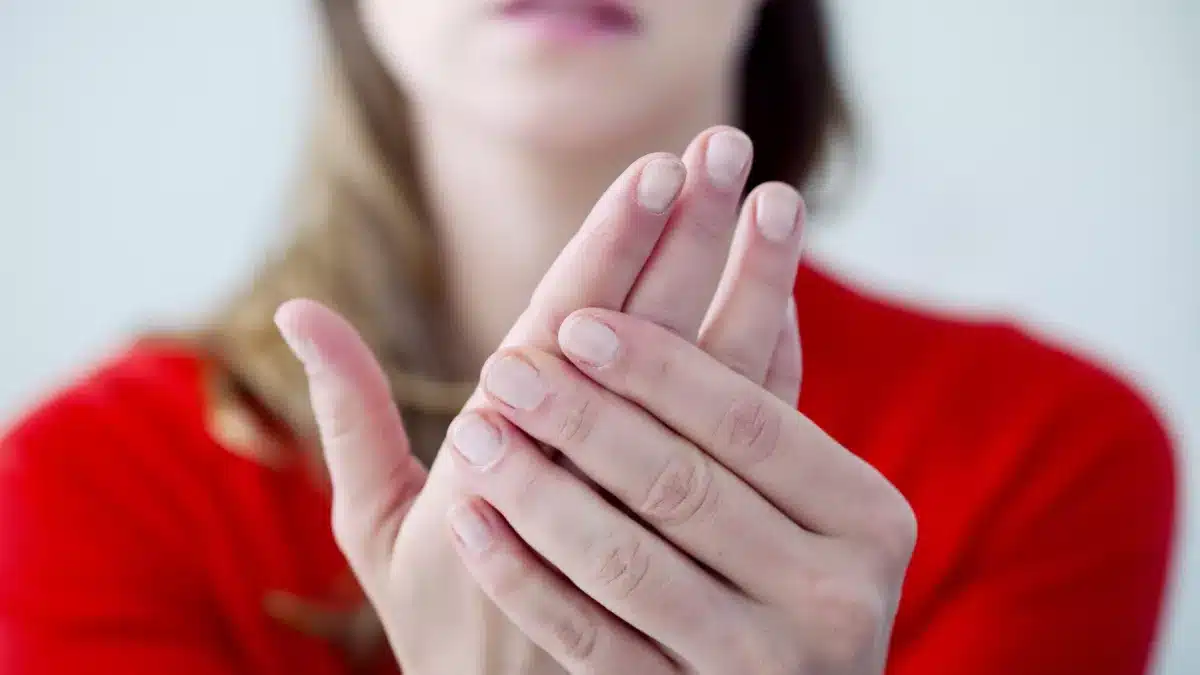
Raynaud’s syndrome is not always an isolated disease. It can be secondary to other diseases , especially autoimmune diseases (such as scleroderma or lupus). Here are some situations when you should consult a doctor :
- If symptoms are very severe or worsen over time.
- If you are over 40 and this is happening for the first time.
- If only one arm or leg is affected.
- If you also suffer from joint pain , rash , or muscle weakness .
- If, despite warming, the area remains pale, painful, or numb for several hours .
An often underestimated detail: a ring stuck on a swollen finger can quickly lead to complications and become a medical emergency.
What to do in a crisis situation?
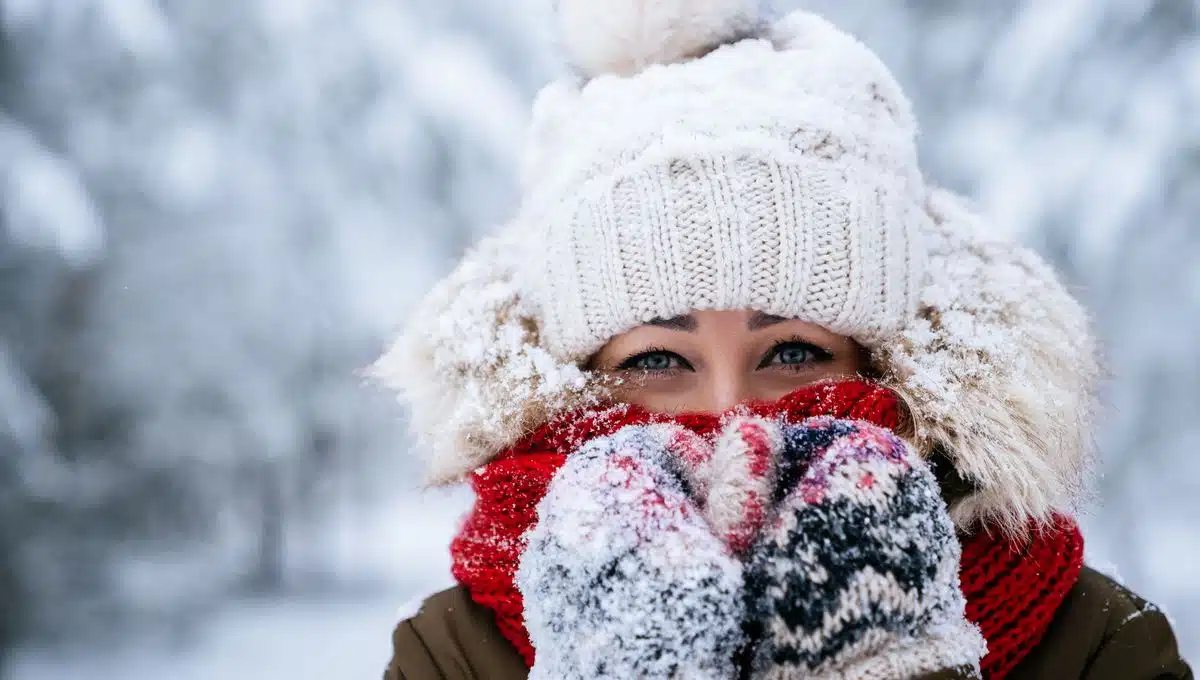
The first thing to do: slowly warm up your extremities. Put your hands in your pockets, blow on them lightly, or immerse them in warm water ( never hot , to avoid heat shock).
Also, follow a few simple steps to prevent crises :
- Protect yourself from the cold: wear gloves, thick socks, and hand warmers .
- Reduce stress, which can also trigger symptoms.
- Avoid caffeine , tobacco , and some vasoconstrictor medications , which can worsen spasms.
What if it doesn’t work?
In most cases, Raynaud’s phenomenon is mild and temporary . However, if it becomes disabling, your doctor may prescribe vasodilators to improve circulation in your extremities.
In France, you can also contact a healthcare professional by calling 15 or consult a doctor to assess your situation. If you live in a region with poor healthcare coverage, teleconsultation platforms can also help.
Don’t underestimate what your fingers are telling you.
Our hands are often the first to tell us . If they change color, it’s not just because of the cold. It could be a sign of a deeper vascular problem . Listen to your body and don’t hesitate to seek medical attention if you’re still concerned .
Because a simple tingling sensation can be a starting point for a better understanding of your health .