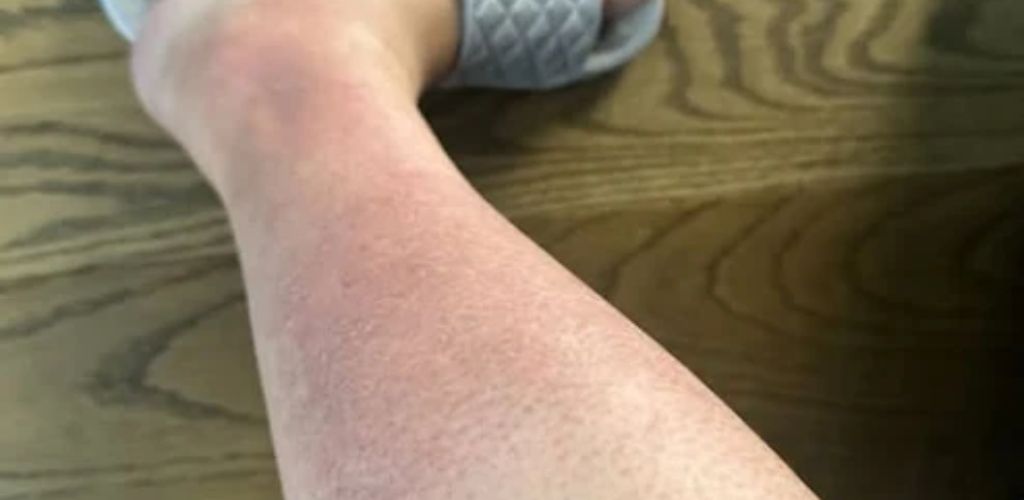
You’re 18 weeks into your pregnancy — excited, maybe feeling your baby move soon — and suddenly, an itchy, bumpy rash appears on your legs.
It’s uncomfortable. It keeps you up at night. And you can’t get in to see your OB-GYN right away.
You’re not alone.
Skin changes are common in pregnancy due to hormonal shifts, increased blood flow, and stretching skin. But some rashes can be more than just irritation — and knowing the difference is key to protecting both you and your baby.
Let’s explore common causes of itchy rashes in pregnancy, what you can safely do at home, and when to seek immediate care — so you can feel informed, calm, and supported.
🔍 Common Causes of Itchy, Bumpy Rashes During Pregnancy
1. PUPPP (Pruritic Urticarial Papules and Plaques of Pregnancy)
- Most common itchy rash in pregnancy
- Usually starts in the third trimester, but can appear earlier
- Begins on the belly (often within stretch marks), spreads to legs, arms, thighs
- Looks like red bumps or hives
✅ Not dangerous to baby — but very itchy
More common in first pregnancies and multiples (twins/triplets)
2. Itchiness from Dry Skin or Stretching
- As your skin stretches, it can become dry, flaky, and irritated
- Often affects legs, belly, and thighs
✅ Harmless but uncomfortable
Worsens in dry weather or with hot showers
3. Allergic Reaction or Contact Dermatitis
- Caused by new lotions, detergents, fabrics, or soaps
- May cause red, bumpy, itchy patches
✅ Goes away once irritant is removed
Consider anything new you’ve used recently
4. Folliculitis
- Inflammation of hair follicles (tiny red bumps)
- Can occur on thighs or legs from friction, sweating, or tight clothing
✅ Mild form is common and treatable
Avoid shaving or tight pants until healed
⚠️ When to Seek Medical Help Immediately
Some rashes — and itching without a rash — can signal serious conditions that affect your liver or bile flow. These require prompt evaluation.
Seek urgent care if you have:
| 🔴Severe itching with NO visible rash, especially at night | Intrahepatic Cholestasis of Pregnancy (ICP)— a liver condition that increases risk of preterm birth or stillbirth |
| 🔴 Itchingon palms of hands or soles of feet | Classic sign of ICP |
| 🔴Yellowing skin or eyes (jaundice) | Liver involvement |
| 🔴Dark urine or pale stools | Bile buildup |
| 🔴 Fever, pain, blisters, or oozing rash | Possible infection or rare autoimmune rash (like Pemphigoid Gestationis) |
🩺 ICP is typically diagnosed after 28 weeks, but early cases happen. Blood tests (liver function + bile acids) are needed.
Even if you’re only 18 weeks, tell your provider about severe itching — don’t wait.
✅ Safe Home Remedies for Relief (While You Wait for Your Appointment)
Until you can see your doctor, these OB-tested, pregnancy-safe strategies can help soothe your skin:
1. Cool Compresses
- Apply a clean, damp cloth to itchy areas for 10–15 minutes
- Reduces inflammation and numbs itch signals
🧊 Avoid ice directly on skin — use a barrier
2. Oatmeal Baths
- Use colloidal oatmeal (Aveeno makes a trusted version) in lukewarm water
- Soak 15–20 minutes — don’t scrub
✅ Soothes irritation and restores skin barrier
🚫 Avoid hot water — it worsens dryness
3. Moisturize Frequently
- Use fragrance-free, hypoallergenic lotions (like Cetaphil, Eucerin, or Vanicream)
- Apply after showering while skin is still damp
🧴 Look for ingredients like ceramides or glycerin
4. Wear Loose, Breathable Clothing
- Choose soft cotton clothes — avoid wool or synthetic fabrics
- Prevents friction and overheating
👕 Tight pants or leggings can worsen leg rashes
5. Avoid Scratching
- Trim nails short
- Wear cotton gloves at night if you scratch in sleep
- Try antihistamines only if approved by your provider
💊 Some oral antihistamines (like chlorpheniramine or cetirizine) are considered low-risk in pregnancy — but always check with your doctor first
❌ What NOT to Use During Pregnancy
| ❌ Hydrocortisone cream (long-term) | Use only short-term and sparingly — consult provider |
| ❌ Retinoids, salicylic acid, or chemical exfoliants | Not safe in pregnancy |
| ❌ Essential oils (e.g., tea tree, lavender) | Some may not be safe — avoid unless approved |
| ❌ Harsh soaps or fragranced body washes | Dry out skin and worsen irritation |
Final Thoughts
You don’t have to suffer in silence — even if your appointment isn’t for days.
Use cool compresses, oatmeal baths, and gentle moisturizers to ease discomfort.
But most importantly: 👉 Don’t ignore severe or worsening itching.
Even at 18 weeks, it’s worth calling your OB or midwife to describe your symptoms. They may:
- Expedite your appointment
- Order blood work
- Refer you to a maternal-fetal medicine specialist
Because real care isn’t about waiting until it hurts.
It’s about listening to your body — and trusting that your concerns matter.
And that kind of courage? It’s one of the first gifts you’re giving your baby.