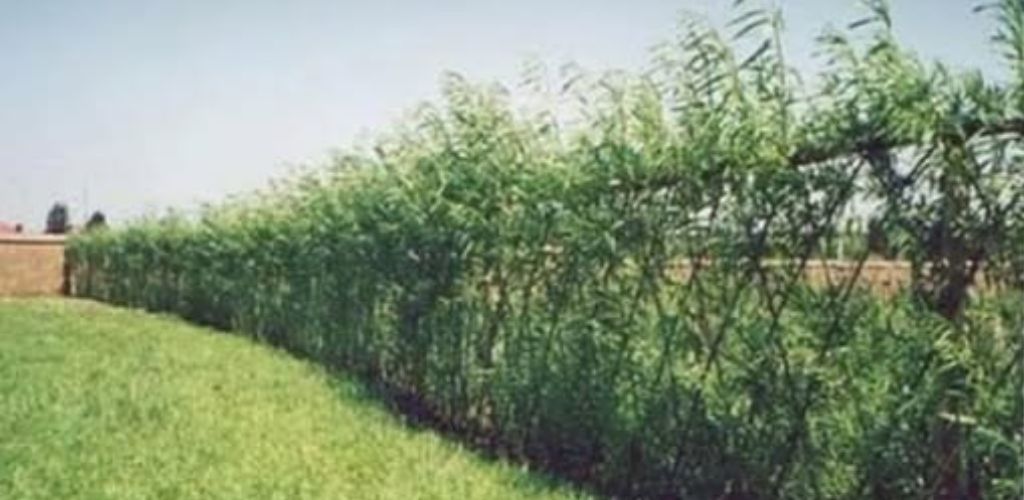
Discover the benefits of living fences made from shrubs and trees — a sustainable, eco-friendly, and beautiful alternative to traditional barriers. Learn how to plant, maintain, and enjoy natural hedges that support biodiversity and enrich your garden.
Living fences are an excellent eco-friendly alternative to conventional fences. Made from densely planted shrubs or trees, they offer a variety of ecological, aesthetic, and practical benefits for both homeowners and farmers. Instead of installing artificial barriers, you can create a living, self-regenerating structure that contributes to a healthier environment and provides long-term value.
Advantages of Living Fences
Living fences do more than mark boundaries—they support life and improve soil and ecosystem health.
- Biodiversity Boost: Living fences provide a natural habitat for insects, birds, and small animals, enhancing local ecosystems.
- Food and Medicine: Many species, such as hawthorn or rugosa rose, offer edible fruits and medicinal properties.
- Soil Health: Nitrogen-fixing plants like black locust naturally enrich the soil and improve fertility.
- Wind Protection: They help reduce erosion and shield crops and livestock from harsh weather.
- Longevity and Regeneration: Unlike traditional fences, they can last for centuries and renew themselves naturally.
- Natural Beauty: Seasonal changes—flowers in spring, fruits in summer, and vibrant foliage in autumn—add aesthetic appeal to your property.
Examples of Plants for Living Fences
If you’re planning to establish a living fence, consider species that suit your region and soil type:
- Osage Orange: Hardy, drought-tolerant, and ideal for dense protective barriers; its strong wood can also serve as fuel.
- Hawthorn and Pyracantha: Produce berries that attract birds and add decorative value.
- Black Locust: A nitrogen-fixing tree that strengthens the soil and offers durable wood.
- Rugosa Rose: Known for its fragrant flowers and vitamin-rich rose hips, perfect for teas and jams.
How to Establish a Living Fence
To ensure a healthy and long-lasting hedge, follow these key steps:
- Planning: Select species based on your climate, soil, and the fence’s purpose—whether for privacy, livestock protection, or beauty.
- Planting: Space plants closely and interweave young branches to create a dense structure.
- Maintenance: Regularly prune, mulch, and compost trimmings; protect young plants from weeds and grazing animals.
Step-by-Step: Osage Orange Fence
- Collect Seeds: Harvest in autumn and allow them to ferment before planting.
- Sow in Spring: Place seeds in prepared furrows for optimal germination.
- Weave and Prune: Train new shoots by weaving them together and trimming to maintain the desired height and shape.
The Future of Green Barriers
Living fences are more than a landscaping trend—they represent a sustainable solution that supports biodiversity, self-sufficiency, and soil health. By choosing natural boundaries, you not only protect your land but also nurture life around it. Embrace green fencing to create a resilient, beautiful, and sustainable environment for generations to come.
🌿 If you love eco-friendly gardening ideas, don’t forget to follow our page, like, and share this post to inspire others to grow green! 🌿