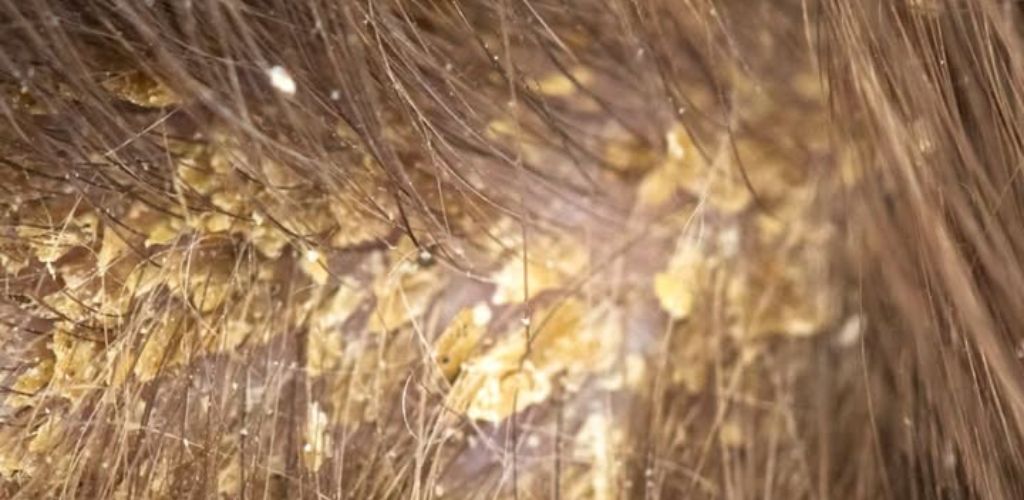
Seborrheic dermatitis is a common skin condition that can cause flaking, redness, and itching of the scalp and other parts of the body. While it’s always best to seek the advice of a dermatologist, sometimes immediate access to care isn’t possible. Here are some practical steps and tips for managing seborrheic dermatitis symptoms at home until you can see a doctor.
Understanding Seborrheic Dermatitis
Seborrheic dermatitis is often associated with an overgrowth of yeast (especially Malassezia) on the skin, combined with a hypersensitive immune response. Factors such as stress, cold weather, or hormonal changes can exacerbate it. While it is not contagious or dangerous, the symptoms can be uncomfortable and frustrating to treat.
Tips for Managing Scaling and Itching
1. Use Medicated Shampoos
Over-the-counter (OTC) medicated shampoos can be very effective. Look for shampoos with active ingredients like:
Ketoconazole: Fights candida that causes inflammation.
Selenium sulfide: Reduces candida and scaling.
Zinc pyrithione: Has antifungal and anti-inflammatory properties.
Salicylic acid: Helps loosen and exfoliate scales.
Coal tar: Slows down the overproduction of skin cells.
Use shampoo 2-3 times a week, leaving it on your scalp for 5-10 minutes before rinsing thoroughly.
2. Keep your scalp moisturized
Seborrheic dermatitis can lead to a dry, flaky scalp, so it’s important to stay hydrated. Use a gentle, fragrance-free conditioner after shampooing. You can also apply natural oils, like coconut oil, as a pre-wash treatment to soothe the skin.
3. Avoid irritants
Harsh hair products, perfumes, and heat styling can aggravate the condition. Use gentle, hypoallergenic shampoos and avoid using too many styling products until symptoms subside.
4. Control the itch
Resist the urge to scratch, as this can worsen the irritation and lead to infection. Instead:
Apply a cool compress to reduce the itch.
Use over-the-counter hydrocortisone cream (1%) sparingly for severe itching, avoiding prolonged use.
5. Manage stress
Stress is a known trigger for seborrheic dermatitis flare-ups. Try techniques like meditation, deep breathing, or light exercise to keep your stress levels in check. 6. Maintain good hygiene
Wash your scalp regularly, but avoid over-washing, as this can strip it of its natural oils and irritate the skin. Aim for a balance where your scalp is clean but not excessively dry.
When to See a Doctor
While these tips may provide temporary relief, professional evaluation is essential for long-term treatment. Seek medical advice if:
Symptoms persist or worsen.
Over-the-counter treatments don’t help after a few weeks.
You notice signs of infection (e.g., redness, swelling, or discharge).
Bottom Line:
Treating seborrheic dermatitis at home can be difficult, but with the right steps, you can minimize discomfort and control symptoms. Medicated shampoos, gentle care, and stress management are essential until you see a dermatologist to develop a personalized treatment plan.
If symptoms persist or new problems develop, the priority is to seek medical advice as soon as possible. In the meantime, these self-care strategies should help you find relief.