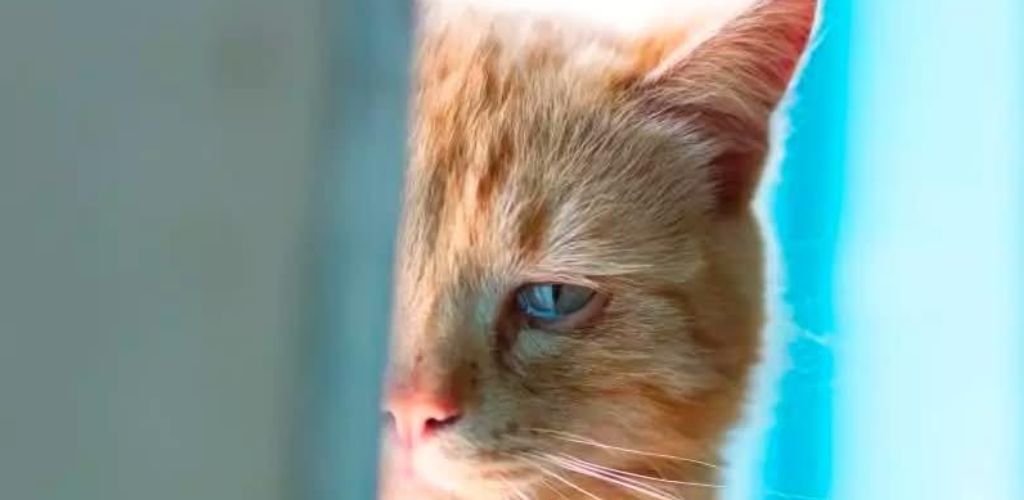
Despite their reputation for indifference, cats have delicate feelings. Perhaps because they lack the same openness and eagerness to please as dogs, many people overlook the ways, both large and small, they can break a cat’s spirits. In this article, we’ll discuss 16 surprising ways you might hurt your cat’s feelings.
Calling them for something they don’t like
Cats enjoy being called because they expect treats or rewards. When you call your pet for something unpleasant, like being forced into a crate to go to the vet, you can hurt them. Make sure you don’t use the “come” or “pspsps” commands to punish your cat.
Teasing them.
Pulling your cat’s tail, blowing on its face, scaring it while it’s sleeping, or cornering it and picking it up against its will are behaviors that confuse and agitate your cat. Remember, what’s fun for you isn’t always fun for it. Scaring your cat with cucumbers or other objects to entertain you isn’t good for you. One of your cat’s basic needs is to feel safe and protected in its home. Instead, look for other ways to entertain yourself and your pet.
Remove
Them Cats are curious and explore their surroundings. They always need to know what you’re doing and love to be involved. This means your cat may insist on trying to access something that interests them, and you may be tempted to push them away. Before doing so, consider whether you’d appreciate it if someone pushed you away while you were trying to participate in something you’re interested in. Instead of pushing your cat away, try gently redirecting them elsewhere. And remember, cats want to be close to their humans and the center of attention. If you consistently reject your cat’s attempts to be close to you, they may be suffering from severe depression.
Punishing Them:
Knocking your cat off the table, throwing objects at him, hitting him, and scolding him may indicate anger, but he won’t understand why. Grabbing him and sticking his nose in a mess will leave him petrified. Fear often makes a cat’s behavior worse rather than better. Anger doesn’t teach a cat how to behave. It simply teaches him to be afraid of you. A cat who doesn’t feel safe at home is more likely to run away at the first opportunity to find a new home. Leaving Old Food Out:
Spoiled food isn’t any better for your cat than it is for you. It can lead to illnesses like food poisoning and pancreatic problems. Cats also appreciate being served fresh food. They don’t like it when the food in their bowls sits out too long. This could be part of their temperament, or it could stem from an ancient instinct that protected their ancestors from eating rancid meat. In any case, cats feel appreciated and understood when their families respect their desire for fresh food.
Neglecting them:
Not giving your cat attention, affection, interaction, conversation, or playtime can depress them. Many people think that cats aren’t social animals, but this is far from the truth. Cats benefit from the interaction and affection of their humans. Some cats are naturally affectionate, while other felines are more afraid of being held and petted.
If you have a fearful cat, be open to receiving affection from him and reciprocate it.
Not paying attention to small details.
Never brushing your cat, ignoring frequent hairballs—which can be a sign of a digestive problem—letting their claws grow so long they get caught in the house, and not checking their ears for mites or infections even when they shake their head repeatedly. These are things that can be detrimental to your cat’s well-being. Remember, your cat is much more than a cute, fluffy pet to play with. They are living beings with basic needs to stay happy and healthy.
Disturbing them while they’re eating:
It’s natural for cats to be very alert if there’s a lot of noise and activity around them during dinner. A noisy, crowded environment can cause stress and prevent cats from eating, or force them to eat too quickly. If you play loud music, have your kids play their new video game at full volume, or shout from room to room, you’ll disturb your cat while he’s eating. A quiet, peaceful environment allows cats to eat in peace.
Don’t provide mental stimulation
. A bored cat is a sad cat. Humans can do many different things in their lives, but your cat is limited by the environment you provide. This means it’s up to you to provide activities for your cat. Cats need plenty of mental stimulation to stay healthy and happy. Try playing with them more often or providing toys that keep them entertained while you’re at work.
If you live in a small apartment, consider adopting a second cat. Having a companion to play and interact with can greatly help keep indoor cats stimulated and happy. Both cats will grow together and feel less lonely.