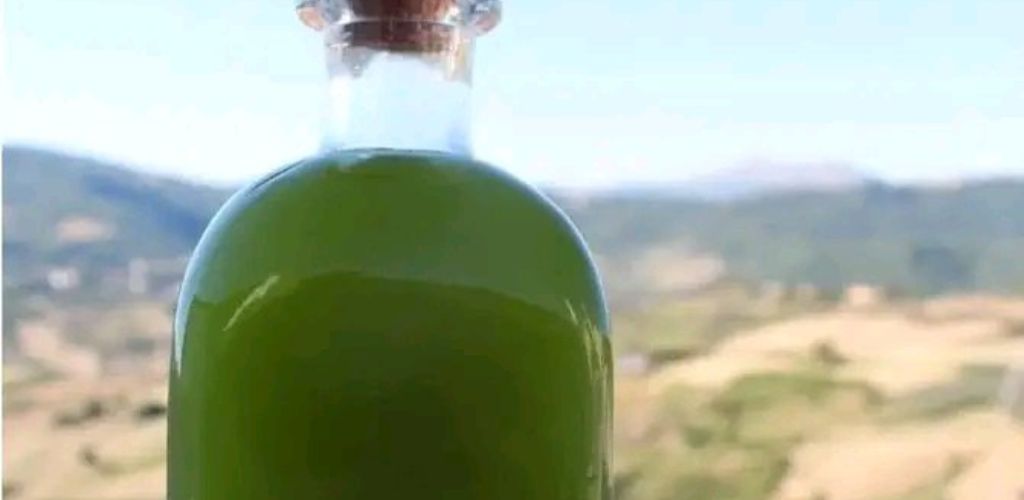
Introduction:
Bay leaf liqueur is an ancient Mediterranean tradition, passed down from generation to generation for its aromatic flavor and digestive properties. Its intense, slightly balsamic notes make it perfect as a digestif after a meal or as an ingredient in authentic desserts. Making it at home is simple and offers the opportunity to rediscover the authentic scents of nature.
Ingredients:
30 fresh bay leaves (preferably freshly picked and untreated)
1 liter of 95° pure alcohol for food use
700 g of sugar
700 ml of water
Instructions:
Leaf preparation:
Thoroughly wash the bay leaves under cold water to remove dust and impurities. Dry them with a clean cloth and let them air dry for a few hours.
Maceration:
Place the bay leaves in a large, airtight glass jar and pour the alcohol over them. Seal tightly and let infuse for 10-12 days in a cool, dark place, shaking the jar once a day.
Making the syrup:
Once the steeping time is up, prepare the syrup by dissolving the sugar in the water over medium heat. Once completely dissolved, turn off the heat and let it cool completely.
Straining:
Strain the bay leaf infusion through a fine-mesh sieve or cheesecloth, discarding the leaves. Add the strained infusion to the cooled syrup and stir well.
Bottling:
Pour the resulting liqueur into clean, dry glass bottles. Seal tightly and let it rest in a cool, dark place for at least a month before drinking.
Serving and storage suggestions:
Serve the bay leaf liqueur chilled in small glasses, after meals, as a digestif.
You can also use it to flavor desserts, fruit salads or for flambéing.
Store the bottles in a cool, dark place. The liqueur will keep well for over a year; in fact, it improves with age!
Variants:
Lemon and Bay Leaf Liqueur: Add the zest of 1 organic lemon to the maceration for a fresher, more citrusy aroma.
Spiced liqueur: Add a cinnamon stick or 2-3 cloves to the infusion for a richer, spicier flavor.
Less alcoholic liqueur: Slightly reduce the amount of alcohol and increase the amount of water and sugar to obtain a lighter, sweeter liqueur.
FAQ (Frequently Asked Questions):
1. Can I use dried bay leaves?
Yes, but the flavor will be less intense. Fresh leaves release essential oils better.
2. How long does laurel liqueur last?
If stored properly, it can last up to 2 years without losing its aroma.
3. Can it be drunk immediately after preparation?
Technically yes, but the liqueur tastes much better after at least 30 days of maturation.
4. Can I use lower-proof alcohol?
It’s not recommended. 95% alcohol is necessary to best extract the active ingredients and ensure preservation.
5. Can the liqueur become cloudy?
Yes, if the syrup is added while it’s still hot or if it’s not filtered properly. It’s merely an aesthetic defect.