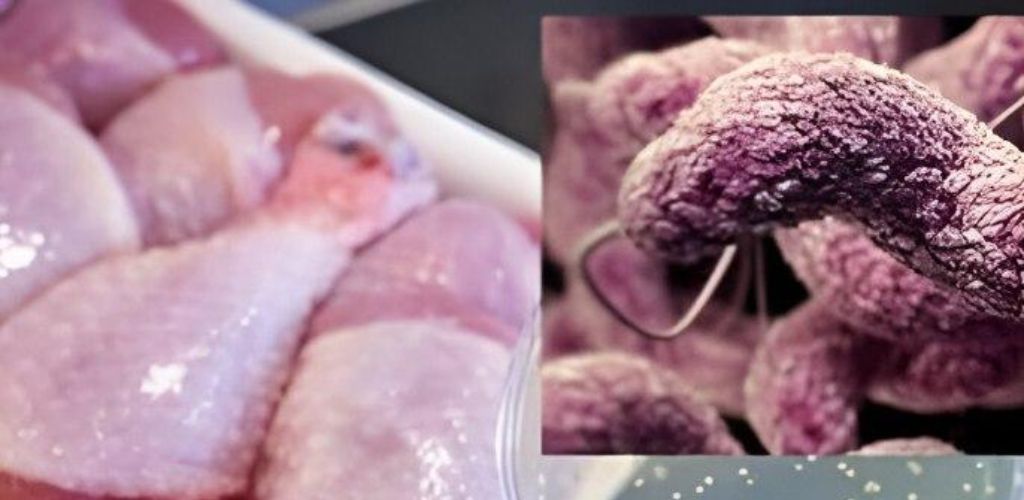
Meat is an excellent source of protein and vitamins. It’s also an ideal food for many people and diets. However, it’s known to be one of the foods that causes the most foodborne illnesses and infections.
The most common pathogens caused by chicken are Salmonella, Clostridium, Campylobacter, and Escherichia coli. Cooking chicken at the right temperature is the surest way to eliminate these pathogens. However, how we purchase and store it also plays an important role.
Tips for buying and storing chicken
Postpone the purchase until the last minute
Before you go grocery shopping, it’s a good idea to plan what you’ll need; fresh products, like meat, should be purchased last. This way, you’ll avoid breaking the cold chain. And, once you get home, these are the products you should store first.
I wait
When choosing a piece of chicken, you need to make sure the meat is firm, tender, and supple. The skin should also be smooth, elastic, and moist. Don’t worry too much about its color, as it can range from white to straw yellow. Its color will depend on the bird’s diet. Therefore, it has no impact on its quality or freshness, nor on its nutritional value or the amount of fat it may contain.
The optimal temperature for purchasing and storing chicken:
If you buy chicken at a supermarket or convenience store, make sure the packaging is cool to the touch. If not, it’s best to leave it and notify the store managers, as the meat is not in optimal condition for consumption.
Do not interrupt the cold chain during transport
When purchasing meat, make sure that products requiring refrigeration don’t overheat. The best way to do this is to use special transport bags and do so as quickly as possible.
Cold storage
Cold storage is the best method of protecting meat products, as it prevents the growth of potential pathogens present in the meat.