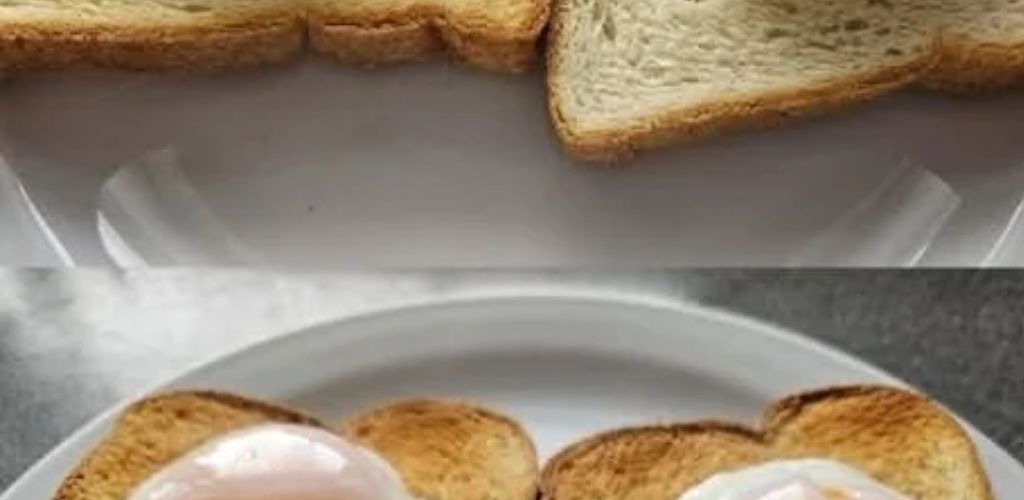
There’s something truly special about a perfectly poached egg. That moment when you pierce the delicate white to release a river of golden, runny yolk is pure culinary magic. While many home cooks find poaching intimidating, I’m here to show you that with the right technique, you can create restaurant-quality poached eggs right in your own kitchen.
Why This Method Works Every Time
- Vinegar is Your Secret Weapon: A small amount helps the egg white coagulate faster
- Fresh Eggs Matter: They hold their shape better in the water
- The Vortex Method: Creates a neat, compact egg shape
- No Special Equipment Needed: Just a pot, slotted spoon, and your eggs
What You’ll Need
Ingredients:
- Fresh large eggs (as many as you need)
- 1 tablespoon white vinegar or lemon juice
- Pinch of salt
- Water
Equipment:
- Medium saucepan
- Slotted spoon
- Small bowl or ramekin for each egg
- Timer
Step-by-Step Poaching Process
Step 1: Prepare Your Setup
- Fill a medium saucepan about 2/3 full with water
- Add 1 tablespoon vinegar and a pinch of salt
- Bring to a gentle simmer over medium heat (look for small bubbles, not a rolling boil)
- While water heats, crack each egg into its own small bowl or ramekin
Step 2: Create the Perfect Cooking Environment
- Once water is simmering, use a spoon to create a gentle whirlpool in the center
- This vortex will help the egg white wrap neatly around the yolk
Step 3: The Poaching Process
- Carefully slide one egg into the center of the vortex
- Immediately repeat with additional eggs, working quickly but gently
- Cook for 3-4 minutes for runny yolks, 4-5 for firmer yolks
- Don’t overcrowd the pan – cook in batches if necessary
Step 4: Remove and Drain
- Using a slotted spoon, gently lift eggs from the water
- Touch the yolk gently to check firmness
- Drain briefly on paper towels
- Trim any wispy edges with kitchen shears if desired
Step 5: Serve Immediately
- Poached eggs are best served right away
- Place on toast, salads, or your favorite base
- Season with flaky sea salt and fresh black pepper
Pro Tips for Poaching Perfection
Egg Freshness Test:
- Place egg in a bowl of water
- Fresh eggs will lie flat on the bottom
- Older eggs will stand up or float
Troubleshooting Common Issues:
- Wispy whites: Water isn’t hot enough or eggs aren’t fresh enough
- Flat eggs: Vortex wasn’t strong enough
- Overcooked yolks: Cooked too long or water was boiling
- Undercooked whites: Not cooked long enough
Make-Ahead Tip:
- Cook eggs slightly less than desired (about 2.5 minutes)
- Transfer to ice water to stop cooking
- Store in refrigerator up to 2 days
- Reheat in warm water for 1 minute before serving
Serving Suggestions
Classic Pairings:
- Eggs Benedict: English muffin, Canadian bacon, hollandaise
- Avocado Toast: Crusty bread, mashed avocado, chili flakes
- Grain Bowls: Quinoa or farro with roasted vegetables
- Salads: Especially spinach or kale salads
- Ramen: As a luxurious topping for soup
Frequently Asked Questions
Q: Why do my eggs always fall apart in the water?
A: This usually means your eggs aren’t fresh enough or the water isn’t at the right temperature. Use the freshest eggs possible and maintain a gentle simmer.
Q: Can I poach multiple eggs at once?
A: Yes, but don’t overcrowd the pan. Use a larger pot and create multiple small vortexes, adding eggs quickly but carefully.
Q: Do I really need vinegar?
A: While not absolutely necessary, vinegar helps the proteins in the egg white coagulate faster, resulting in a neater shape. You can use lemon juice as an alternative.
Q: How can I tell when the eggs are done?
A: Gently press the yolk with your finger or the back of a spoon. It should feel soft but not liquidy. With practice, you’ll be able to judge by appearance alone.
Q: Can I use this method for egg whites only?
A: Absolutely! The process is exactly the same, though egg whites alone can be more delicate. Handle them even more gently.