Heart disease remains the leading cause of death in the United States — but the good news is that many heart attacks can be prevented.
While your body doesn’t give you a 30-day countdown, it can send subtle signals — sometimes weeks or even months in advance.
These signs are often overlooked or mistaken for aging, stress, or indigestion.
Let’s explore the real, science-backed early signs that your heart may be under strain — so you can take steps to protect it.
🔍 Common Early Signs That May Signal Heart Trouble
1. Unexplained Fatigue
- Especially common in women
- Feeling exhausted despite rest
- Caused by reduced blood flow — the heart works harder
✅ If you’re constantly tired without reason, consider a heart check.
2. Shortness of Breath
- Difficulty breathing during everyday activities (walking, climbing stairs)
- May occur with or without chest pain
- Happens when the heart can’t pump efficiently
✅ Don’t ignore breathlessness that comes on suddenly or worsens over time.
3. Chest Discomfort or Pressure
- Not always sharp pain — can feel like fullness, pressure, or squeezing
- Often comes during activity and goes away with rest
- Frequently mistaken for heartburn
✅ Any recurring chest sensation deserves medical evaluation.
4. Pain in Other Areas
- Discomfort may spread to:
- Arms (especially left)
- Neck
- Jaw
- Back
- Caused by “referred pain” from the heart
✅ Unexplained pain in these areas — especially during exertion — should be taken seriously.
5. Dizziness or Lightheadedness
- Can be a sign of irregular heart rhythm or poor blood flow
- May happen with standing or activity
- Often linked to low blood pressure or arrhythmias
✅ If you feel faint often, get it checked.
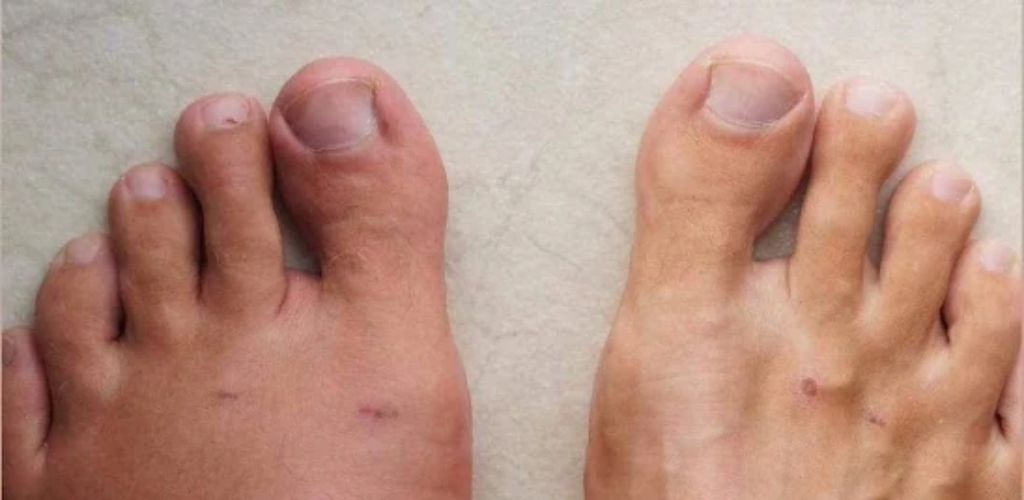
6. Swelling in Legs, Ankles, or Feet (Edema)
- Fluid buildup due to poor circulation or heart failure
- Worse at the end of the day
- Can also indicate kidney or liver issues
✅ Persistent swelling + other symptoms = see a doctor.
7. Sleep Disturbances
- Waking up gasping or short of breath (possible sleep apnea or heart strain)
- Frequent nighttime urination (fluid shifts when lying down)
- Restless sleep due to undiagnosed heart issues
✅ Poor sleep isn’t always stress — it could be a heart clue.
✅ Risk Factors You Can Control
| High blood pressure | Eat less salt, exercise, take meds as prescribed |
| High cholesterol | Eat more fiber, avoid trans fats, consider statins |
| Diabetes | Manage blood sugar through diet and medication |
| Smoking | Quit — it’s the #1 preventable risk |
| Sedentary lifestyle | Walk 30 minutes a day, 5 days a week |
| Stress & poor sleep | Practice mindfulness, seek therapy, prioritize rest |
🚨 When to See a Doctor
Seek medical attention if you have:
- New, unexplained symptoms that last more than a few days
- A combination of fatigue, swelling, and breathlessness
- Chest pressure or pain that comes with activity
- A family history of early heart disease
🩺 A simple EKG, blood test, or echocardiogram can detect early problems.
💡 Prevention Is the Best Medicine
| Eat a heart-healthy diet | Mediterranean-style: veggies, whole grains, fish, olive oil |
| Move daily | Even walking helps |
| Know your numbers | Blood pressure, cholesterol, blood sugar |
| Get annual checkups | Especially if over 40 or high-risk |
| Listen to your body | Don’t dismiss “weird” symptoms |
Final Thoughts
Your heart doesn’t always scream for help.
Sometimes, it whispers.
And those quiet signals — fatigue, swelling, breathlessness — are worth paying attention to.
You don’t need to panic.
But you do need to take your symptoms seriously.
Because heart disease isn’t just about dramatic heart attacks.
It’s about small changes, early action, and long-term care.
And sometimes, the best way to save a life is to listen — before the storm hits.