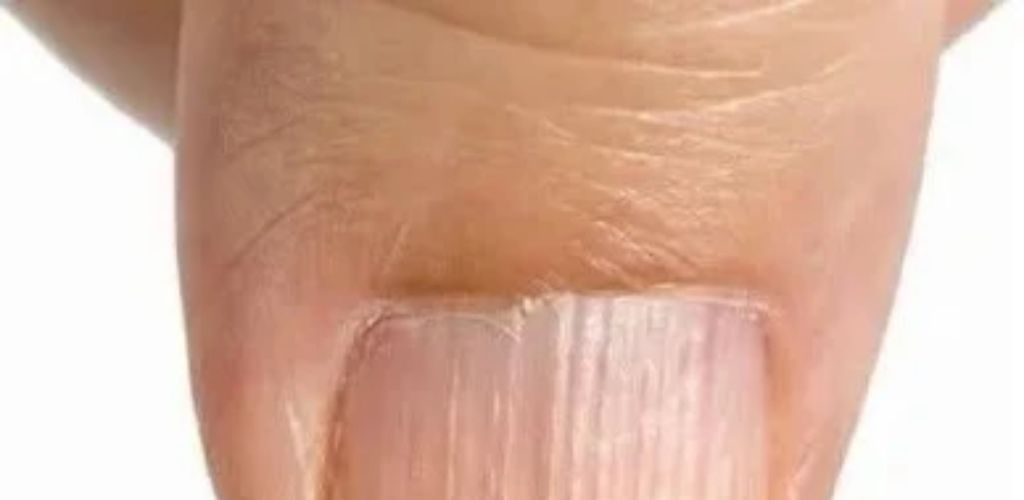
It’s easy to overlook your nails — until you notice something unusual.
Like vertical ridges running from the cuticle to the tip.
If you’ve started seeing lines on your fingernails, you’re not alone.
According to Dr. Ross Perry, a dermatologist and skin health expert at Cosmedics, nail changes are common — and in most cases, not a cause for concern.
But sometimes, ridges can offer subtle clues about your overall health — from nutrition to hydration and beyond.
Let’s break down what causes nail ridges, when to pay attention, and when to simply accept them as part of aging — so you can feel informed, not anxious.
🔍 Vertical vs. Horizontal Ridges: What’s the Difference?
Not all ridges are the same. The direction matters:
✅ Vertical Ridges (Most Common)
- Appear as thin lines from top to bottom of the nail
- Often develop with age — like wrinkles for your nails
- Usually harmless
📊 According to the American Academy of Dermatology, vertical ridges are extremely common in adults over 50.
⚠️ Horizontal Ridges (Beckers’ Lines or Nail Dents)
- Run across the nail bed (side to side)
- Can signal a past illness, injury, or nutritional deficiency
- Deep horizontal grooves known as Beau’s lines may appear after high fever, chemotherapy, or severe stress
✅ These deserve more attention — especially if they affect multiple nails.
🥗 What Can Cause Nail Ridges?
While aging is the #1 reason, certain factors can make ridges more noticeable:
| Aging | Reduced cell turnover leads to rougher nail texture |
| Dehydration | Dry nails become brittle and more prone to ridges |
| Nutritional Deficiencies | Lack of protein, calcium, iron, or vitamins A, B12, or D may impact nail health |
| Overuse & Trauma | Frequent typing, nail biting, or aggressive manicures damage the nail matrix |
| Underlying Skin Conditions | Psoriasis, eczema, or lichen planus can affect nail appearance |
💡 Note: Severe iron deficiency anemia can cause spoon-shaped nails (koilonychia) — concave, thin nails — not just ridges.
🩺 When Should You See a Doctor?
Most nail ridges are normal — but see a dermatologist if you notice any of these red flags:
| 🔄 Sudden change in nail texture or color | Could indicate systemic illness |
| 🔴 Discoloration (yellow, brown, black) | May be fungal infection or melanoma (rare) |
| 💥 Pain, swelling, or lifting of the nail | Signs of infection or psoriasis |
| 📉 Thickened or crumbling nails | Often fungal — treatable if caught early |
| 📏 Deep horizontal lines (Beau’s lines) | May reflect a past illness or nutrient gap |
✅ A dermatologist can examine your nails under magnification and determine if testing is needed.
✅ How to Support Healthy Nails
You can’t erase natural aging — but you can support stronger, smoother nails:
| Stay hydrated | Keeps nails flexible and less brittle |
| Eat a balanced diet | Protein, biotin, iron, and omega-3s support nail growth |
| Use moisturizer daily | Apply hand cream and cuticle oil regularly |
| Wear gloves when cleaning | Protects from harsh detergents and water exposure |
| Avoid harsh nail products | Skip acetone-based removers and gel polish overuse |
| Don’t pick or peel your nails | Prevents trauma and splitting |
🌿 Foods that help: Eggs, spinach, nuts, salmon, beans, sweet potatoes.
❌ Debunking the Myths
| ❌ “Ridges mean I’m severely deficient” | Not usually — most are age-related |
| ❌ “Sanding ridges makes them worse” | Gently buffing is fine — use a soft file, don’t overdo it |
| ❌ “White spots = calcium deficiency” | No — they’re usually from minor trauma |
| ❌ “Nail changes always signal serious disease” | Rarely true — NHS confirms most issues aren’t linked to major illness |
Final Thoughts
Vertical ridges on your nails don’t mean you’re sick.
In fact, they’re often just a sign that you’re living life — typing, washing hands, getting older.
But your nails can tell a story — one of hydration, nutrition, and self-care.
So next time you glance at your hands…
don’t worry about the lines.
Instead, ask yourself:
“Am I drinking enough water? Eating well? Taking care of my body?”
Because real health isn’t about perfect nails.
It’s about listening to your body — one small sign at a time.
And sometimes, the quietest signals are worth hearing.