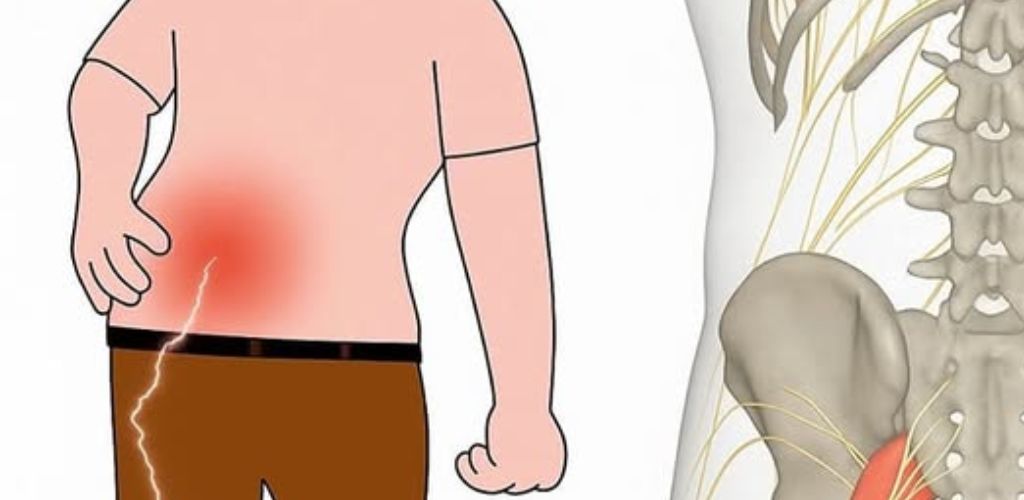
The sciatic nerve is the largest and most important nerve in the human body, and its dysfunction can significantly impact a person’s quality of life. 🦴 In this article, we’ll explore in depth what sciatica is, its causes, its most common symptoms, and the available treatment options. If you’ve ever experienced pain radiating from your lower back down your leg, you’ll find this content incredibly helpful. Let’s dive in! 🩺
What is the sciatic nerve and why is it so important?
The sciatic nerve is the longest and thickest nerve in the human body. 🌐 It originates from several nerve roots in the lumbar and sacral regions of the spine and extends from the lower back, through the buttocks, down the back of each leg. Its main function is to transmit movement and sensory signals to much of the lower limb, so any disruption to its function can cause considerable discomfort and limit mobility. Furthermore, the sciatic nerve plays a crucial role in leg coordination and muscle strength, making it essential for everyday activities such as walking, running, and standing.
Sciatica symptoms: warning signs you shouldn’t ignore
Sciatica is not a disease in itself, but a symptom that reflects an underlying problem in the spine or nerves. 🔥 Its most common manifestations include:
- Constant pain on one side of the buttock, leg, or lower back.
- A tingling, burning, or numb sensation in the affected limb.
- Difficulty walking or standing for extended periods.
- Weakness in the foot or leg, which can make movements such as lifting the heel difficult.
- Pain that intensifies when sitting, coughing, or sneezing.
It’s important to note that, in some cases, sciatica can be accompanied by loss of bowel and bladder control, which constitutes a medical emergency requiring immediate attention. 🚨
Common causes of sciatica
There are many reasons why the sciatic nerve can become compressed or irritated. Understanding the underlying cause is essential to determining the most appropriate treatment. Below, we detail the most common causes:
- Sacroiliac joint dysfunction : This condition causes pain due to inflammation at the junction of the pelvis with the spine.
- Pregnancy : Hormonal changes, weight gain, and the shift in the center of gravity during pregnancy can put additional pressure on the sciatic nerve.
- Lumbar disc herniation : Occurs when a vertebral disc slips or ruptures, putting direct pressure on the nerve.
- Tumors in the lumbar region : Although less common, tumors can compress the nerve root and cause symptoms of sciatica.
- Degenerative disc disease : Over time, the vertebral discs lose elasticity and height, which generates painful micro-movements.
- Lumbar stenosis : This is a narrowing of the spinal canal that limits the normal passage of nerves.
- Piriformis syndrome : Occurs when the piriformis muscle, located in the gluteal region, directly compresses the sciatic nerve.
- Isthmic spondylolisthesis : A stress fracture that allows one vertebra to slide over another, causing instability.
- Muscle strain : Inflammation resulting from a muscle injury can put pressure on the nerve roots.
Treatment options for sciatica
The management of sciatica depends on its cause and the severity of the symptoms. In most cases, doctors recommend a conservative approach that includes relative rest, nonsteroidal anti-inflammatory drugs (NSAIDs), or cortisone injections to reduce pain and inflammation. Physical therapy also plays a crucial role, as it helps strengthen the muscles in the lower back, improve flexibility, and correct poor posture. Additionally, techniques such as massage and guided stretching can relieve muscle tension and promote recovery.
In more severe cases, where there is significant nerve compression that doesn’t improve with conservative therapies, surgery may be necessary . 🏥 The most common surgical procedures include discectomy (removal of part of a vertebral disc) and laminectomy (removal of a portion of a vertebra to relieve pressure). However, surgery is generally considered a last resort, and its selection will depend on factors such as the duration of symptoms, the severity of the pain, and the presence of muscle weakness.
Practical tips to prevent sciatica
Beyond treatment, adopting healthy habits can make a big difference in preventing sciatica. Here are some key recommendations:
- Maintain good posture when sitting and lifting heavy objects. 🔝
- Do moderate exercise regularly , focusing on strengthening your core muscles and maintaining spinal flexibility.
- Avoid a sedentary lifestyle : If you work sitting down, get up and walk around every hour to stretch your legs and back.
- Control your weight , as excess body weight puts additional pressure on the spine.
- Wear appropriate footwear that provides good arch support and cushioning.
Conclusion
Sciatica is a common condition that can cause debilitating pain, but with accurate diagnosis and appropriate treatment, most people experience significant improvement. 🌟 It’s crucial to pay attention to early symptoms and seek medical attention to identify the underlying cause. Remember that maintaining good posture, engaging in moderate exercise, and maintaining a healthy weight are key measures to protect the health of your sciatic nerve and prevent discomfort from recurring. If you experience sciatica symptoms, don’t hesitate to consult a healthcare professional for a personalized treatment plan. Your well-being is in your hands! 💪