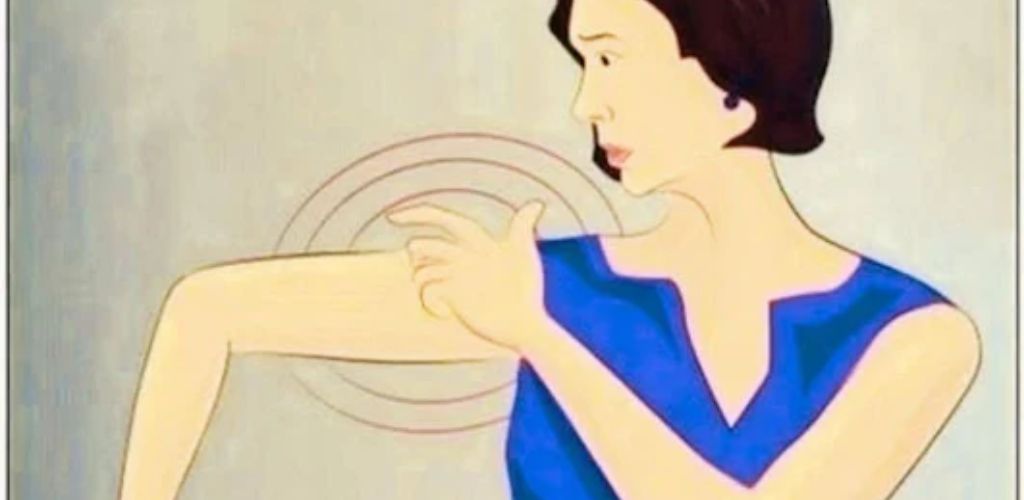
You’re visiting your parent.
They’re making coffee when suddenly… they slur their words. Their smile looks uneven. One arm drops to their side.
Then, just as quickly as it started… it stops. They shake it off. “I’m fine now,” they say.
But what you just witnessed may have been a mini-stroke — medically known as a transient ischemic attack (TIA).
And even though the symptoms went away, this was not normal. 👉 It was a major warning sign.
A TIA is caused by a temporary blockage in blood flow to the brain — often lasting less than an hour. While it doesn’t cause permanent brain damage like a full stroke, it’s one of the strongest predictors that a life-threatening stroke could happen within days or weeks.
Let’s explore how to recognize the signs, why every minute matters, and what steps to take — so you can protect your loved one before it’s too late.
Because real care isn’t about waiting until something goes wrong. It’s about acting fast — the moment you see something off.
🔍 What Is a Mini-Stroke (TIA)?
A transient ischemic attack (TIA) occurs when blood flow to part of the brain is briefly blocked — usually by a blood clot.
| ✅ Symptoms mimic a stroke — but typically lastless than 1 hour(often just minutes) |
| ✅ No permanent brain damage occurs during a TIA |
| ✅ But up to1 in 3 people who have a TIA will later have a full stroke— half within a year |
| ✅50% of these strokes happen within 48 hours of the TIA |
🟥 That’s why a TIA is now called a “warning stroke” — not a “minor” one.
🚨 Common Symptoms of a Mini-Stroke (FAST + Extra)
Use the FAST acronym — and add two more critical signs:
🅵 F = Face Drooping
- One side of the face sags or feels numb
- Ask them to smile — is it lopsided?
🅰️ A = Arm Weakness
- One arm drifts downward when raised
- “My arm just gave out,” they might say
🅢️ S = Speech Difficulty
- Slurred speech, confusion, or trouble finding words
- May seem drunk — but hasn’t had alcohol
🅩️ T = Time to Call Emergency Services
Even if symptoms go away — call 911 immediately
💡 Newer guidelines also include:
V = Vision Loss – Sudden blurry or lost vision in one eye
H = Headache & Dizziness – Especially if sudden and severe
L = Loss of Balance or Coordination – Unexplained stumbling or falling
📌 Remember: Time is brain. Every minute, 1.9 million neurons die during a stroke.
❌ Debunking the Myths About TIAs
| ❌ “If symptoms go away, it wasn’t serious” | False — a disappearing symptom is still a medical emergency |
| ❌ “Only older people get TIAs” | No — risk starts rising at 55, but younger adults can be affected too |
| ❌ “It’s just stress or fatigue” | Dangerous myth — never dismiss sudden neurological changes |
| ❌ “No treatment needed since there’s no damage” | Wrong — immediate evaluation can prevent a deadly stroke |
🩺 Who Is at Higher Risk?
| ✅ High Blood Pressure | #1 cause of stroke — damages blood vessels over time |
| ✅ Atrial Fibrillation (AFib) | Irregular heartbeat increases clot risk |
| ✅ Diabetes | Accelerates blood vessel damage |
| ✅ Smoking | Narrows arteries and raises blood pressure |
| ✅ High Cholesterol | Contributes to plaque buildup in arteries |
| ✅ Previous TIA or Stroke | Highest predictor of future events |
🩺 The good news? Up to 80% of strokes are preventable with proper care.
✅ What Happens After a TIA?
If someone has a suspected TIA, they need urgent medical evaluation — same day if possible.
At the hospital or stroke clinic, doctors will:
- Perform a brain scan (CT or MRI) to rule out actual stroke
- Check the carotid arteries (neck vessels) for blockages
- Test heart rhythm for AFib
- Run blood work (cholesterol, blood sugar, clotting factors)
Based on results, treatment may include:
- Blood thinners (like aspirin or clopidogrel)
- Statins to lower cholesterol
- Blood pressure medications
- Surgery (e.g., carotid endarterectomy) if arteries are severely narrowed
✅ With prompt care, many people avoid a major stroke entirely.
❤️ How You Can Help Protect Your Loved One
| Learn the signs | You could be the first to notice something’s wrong |
| Keep emergency numbers handy | Program them into phones and post on the fridge |
| Encourage regular check-ups | Manage blood pressure, diabetes, and heart health |
| Support healthy habits | Walk together, cook low-salt meals, quit smoking as a team |
| Talk about advance directives | Know their wishes ahead of time |
💬 Have the conversation now — not after a crisis.
Final Thoughts
You don’t need to wait for a full stroke to act.
If your loved one shows any sudden change in speech, strength, balance, or vision — even if it passes —
treat it like an emergency.
Because a mini-stroke isn’t a scare. It’s a gift of time — a chance to intervene before tragedy strikes.
So if you see it… don’t hesitate.
Call 911. Stay calm. Stay close.
And know this: The most powerful thing you can give someone? It’s not just love. It’s fast action — when every second counts.