A sore throat is common — usually caused by a cold, flu, allergies, or dry air.
But when it won’t go away after 2–3 weeks, it could be more than just an infection.
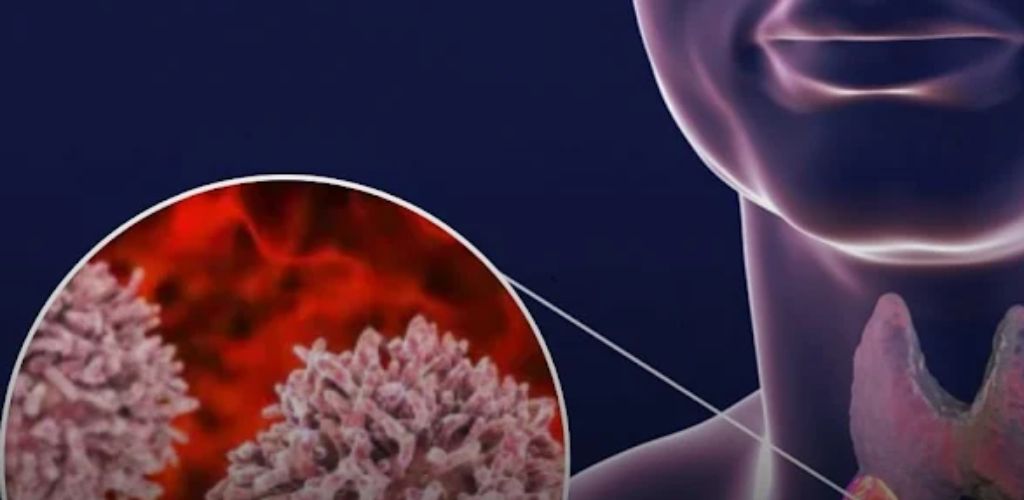
In rare cases, a lingering sore throat may be a warning sign of something serious — including throat or oropharyngeal cancer.
And increasingly, these cancers are affecting younger adults — often linked to the HPV virus (human papillomavirus).
Let’s explore what could be behind a persistent sore throat, who’s at risk, and how early detection saves lives.
🔍 When Is a Sore Throat More Than Just a Cold?
Most sore throats improve within a week.
See your doctor if you have:
| 🔴 Pain lastingmore than 2–3 weeks | Could signal chronic inflammation or tumor growth |
| 🔴 Difficulty swallowing | May indicate a mass or nerve involvement |
| 🔴 Lump in the neck | Swollen lymph node due to infection or cancer |
| 🔴 Hoarseness that won’t go away | Possible vocal cord or laryngeal issue |
| 🔴 Unexplained weight loss | General red flag for systemic illness |
| 🔴 Ear pain on one side | Referred pain from throat tumors |
🩺 These don’t mean you have cancer — but they deserve evaluation.
🧬 Who’s at Risk for Throat Cancer?
| ✅HPV infection (especially HPV-16) | Now the leading cause of oropharyngeal cancer in younger adults |
| ✅Smoking & heavy alcohol use | Major risk factors for non-HPV-related throat cancers |
| ✅Age 35–60 | Most cases diagnosed in midlife, though younger people affected too |
| ✅History of oral sex | HPV spreads through skin-to-skin contact |
| ✅Weakened immune system | Higher risk of persistent viral infections |
💡 Good news: HPV vaccines (Gardasil 9) protect against cancer-causing strains — recommended for boys and girls ages 9–26.
✅ How Throat Cancer Is Diagnosed
If your doctor suspects something serious:
- Physical exam – Checking throat, neck, and lymph nodes
- Laryngoscopy – A thin scope examines the back of your throat
- Imaging – CT, MRI, or PET scans to see tumor size and spread
- Biopsy – Tissue sample tested for cancer cells
Early detection = better outcomes.
For localized HPV-positive oropharyngeal cancer, survival rates exceed 85–90%.
💬 Treatment Overview (Not “After Chemo”)
Treatment depends on stage, type, and overall health:
| Radiation therapy | Often first-line for early-stage HPV+ cancers |
| Chemotherapy | Used with radiation for advanced cases |
| Surgery | Minimally invasive options available (e.g., robotic surgery) |
| Rehabilitation | Speech and swallowing therapy post-treatment |
Chemo is part of treatment — not the trigger.
❌ Debunking the Myths
| ❌ “A sore throat becomes cancer” | No — it may be a symptom of existing cancer |
| ❌ “Only smokers get throat cancer” | False — HPV-related cancers affect non-smokers, even in their 30s |
| ❌ “Chemo causes cancer to grow” | No — while treatments have side effects, they aim to destroy cancer |
| ❌ “It’s rare and nothing to worry about” | HPV-related throat cancer is rising — awareness matters |
Final Thoughts
You don’t need to panic every time you have a sore throat.
But you should pay attention when symptoms linger.
Because real health isn’t about waiting until it hurts more.
It’s about listening early, asking questions, and getting checked — even when you feel mostly fine.
So if your throat hasn’t healed in three weeks…
make the call.
Get it seen.
Because peace of mind — and timely care — starts with one simple step.
And that kind of courage?
It could save your life.