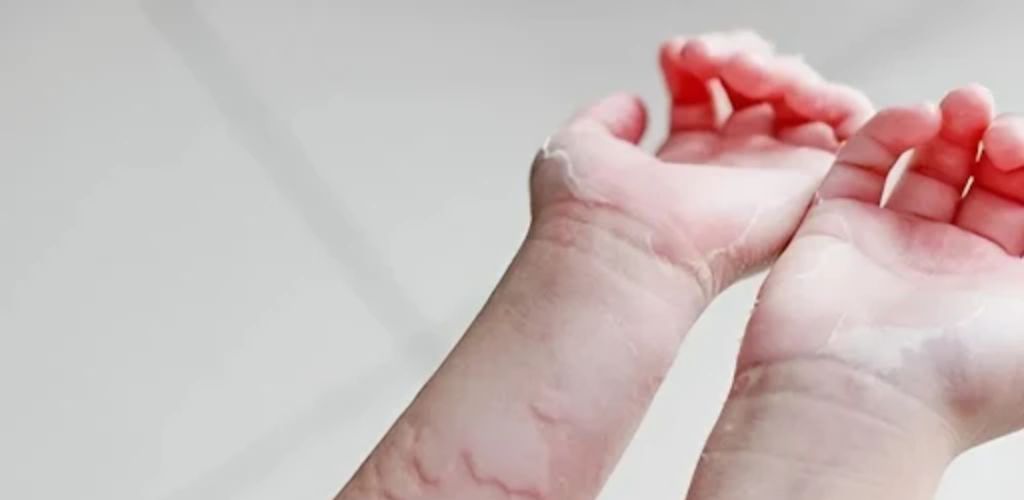
You wake up with red, itchy welts on your arms, neck, or torso.
They swell, spread, and disappear just as quickly — only to return days later.
These are hives (urticaria) — a common skin reaction that affects up to 20% of people at some point in their lives.
While many assume hives are caused by food allergies, the truth is far more complex.
Sometimes, the trigger isn’t what you eat — but how you live, move, or even react to stress.
Let’s uncover the common — and surprising — causes of hives, so you can identify what might be behind your skin’s reaction… and when to seek help.
🔍 What Are Hives?
Hives are raised, red or skin-colored bumps that:
- Itch intensely
- Appear suddenly
- Change shape, size, and location within hours
- Often vanish within 24 hours (but new ones may form)
There are two types:
- Acute hives – Last less than 6 weeks (often due to infection, food, or medication)
- Chronic hives – Last more than 6 weeks (cause often unknown, but rarely allergy-related)
✅ Most hives are harmless and resolve on their own — but understanding triggers can prevent flare-ups.
✅ Common Causes of Hives
1. Food Allergies
- Most common in children
- Triggers: Peanuts, shellfish, eggs, milk, tree nuts
- Usually appear within minutes to 2 hours after eating
⚠️ Severe reactions can lead to anaphylaxis — seek emergency care if breathing is affected.
2. Medications
- Antibiotics (especially penicillin)
- NSAIDs like ibuprofen or aspirin
- Blood pressure drugs (ACE inhibitors)
✅ Always tell your doctor about any rash after starting a new medication.
3. Infections
- Viral infections (common cold, flu, hepatitis)
- Bacterial infections (UTIs, strep throat)
- Even dental infections can trigger hives
📌 In kids, hives often follow a viral illness — not food.
🌀 Surprising (Lesser-Known) Triggers You Might Not Expect
| ❄️Cold Urticaria | Exposure to cold air, water, or ice cream can cause welts on exposed skin |
| 🔥Heat & Sweating | Cholinergic urticaria — triggered by exercise, hot showers, or emotional stress |
| ☀️Sunlight (Solar Urticaria) | Rare, but UV exposure can cause hives within minutes |
| 💊Pressure on Skin | Delayed pressure urticaria — from tight clothing, backpacks, or sitting too long |
| 🤝Autoimmune Conditions | Thyroid disease, lupus, or type 1 diabetes linked to chronic hives |
| 😣Stress & Emotions | Doesn’t cause hives directly, but can worsen existing outbreaks |
| 💉Vaccines | Rarely, hives may appear after immunizations (usually mild and short-lived) |
| 🧴Skin Contact Reactions | Lotions, fragrances, latex, or plants (like poison ivy) |
💡 Some people get hives from vibrations — like using a hand-held drill!
⚠️ When to See a Doctor
Seek medical attention if you have:
- Swelling of the face, lips, tongue, or throat (angioedema)
- Difficulty breathing or swallowing
- Dizziness, rapid pulse, or signs of anaphylaxis
- Hives lasting more than 6 weeks (chronic urticaria)
- No clear trigger despite repeated outbreaks
✅ A dermatologist or allergist can help diagnose underlying causes through blood tests, allergy testing, or elimination trials.
✅ How to Manage Hives at Home
| Avoid known triggers | Prevent flare-ups |
| Use over-the-counter antihistamines | Like cetirizine (Zyrtec), loratadine (Claritin), or fexofenadine (Allegra) |
| Apply cool compresses | Soothes itching and reduces swelling |
| Wear loose, breathable clothing | Reduces irritation |
| Keep a symptom diary | Track timing, location, diet, stress, and environment |
🚫 Don’t scratch — it worsens inflammation and can lead to infection.
❌ Debunking the Myths
| ❌ “Hives mean I have a serious allergy” | Not always — most chronic cases aren’t allergy-related |
| ❌ “Only food causes hives” | Many non-food triggers exist |
| ❌ “If it goes away fast, it’s not serious” | Speed doesn’t indicate severity — watch for breathing issues |
| ❌ “You’ll outgrow hives” | Some do, others develop them later in life |
Final Thoughts
Hives may seem random — but they’re your body’s way of signaling something’s off.
Whether it’s a hidden infection, physical stimulus, or immune imbalance, there’s usually a clue hiding in plain sight.
So next time you feel that familiar itch…
pause.
Reflect.
And consider:
What changed before it started?
Because real relief isn’t just about treating the rash —
it’s about understanding the story your skin is trying to tell.
And sometimes, the most surprising triggers lead to the clearest answers.