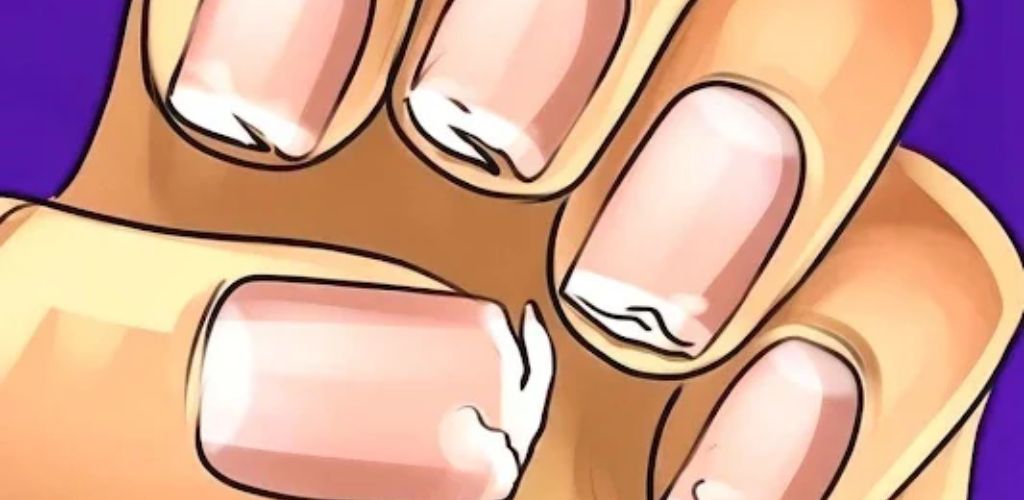
You look down at your hands.
Maybe you’re typing, cooking, or just glancing at your nails after a shower.
And you notice something: They’re brittle. Peeling. Discolored. Or maybe ridges run from bottom to top.
It’s easy to dismiss nail changes as just “dry skin” or wear and tear.
But here’s the truth: 👉 Your nails can be a window into your overall health.
While most nail issues are harmless and related to aging, moisture exposure, or minor trauma, some changes can signal underlying nutritional deficiencies or medical conditions worth paying attention to.
Let’s explore what common nail changes might mean — so you can respond with curiosity, not panic.
Because real wellness isn’t about perfection. It’s about listening to the quiet signals your body sends — one fingertip at a time.
🔍 Why Are Nails Good Health Indicators?
Nails grow slowly — about 3 mm per month — making them like a timeline of your internal health over recent months.
Since they’re made of keratin (a protein), their strength, color, and texture depend on:
- Nutrition
- Hydration
- Circulation
- Hormonal balance
- Overall systemic health
Changes in the nail bed, shape, or surface may reflect deeper imbalances — especially if both fingernails and toenails are affected.
✅ Common Nail Changes & What They Might Mean
1. Brittle, Splitting, or Peeling Nails
Most common cause: Dryness or repeated wet-dry cycles (e.g., dishwashing, frequent hand sanitizer use)
Less common but possible:
- Iron deficiency anemia – thin, spoon-shaped nails (koilonychia)
- Thyroid disorders – hypothyroidism linked to dry, brittle nails
- Aging – natural thinning of nail plates
💡 Tip: Wear gloves when cleaning and moisturize hands regularly.
2. Vertical Ridges (Up-and-Down Lines)
- Very common with age — like wrinkles for your nails
✅ Usually harmless and genetic
⚠️ If sudden, deep, or discolored — could signal nutrient deficiency or psoriasis
📌 No need to worry unless accompanied by pain, thickening, or color changes.
3. White Spots (Leukonychia)
- Often caused by minor trauma (bumping the nail) — not zinc deficiency (myth!)
- May appear weeks after injury due to slow growth
✅ Harmless and fade over time
4. Yellow Nails
Possible causes:
- Fungal infection (most common) – thickened, yellowed, sometimes crumbly nails
- Smoking – stains from nicotine
- Rarely: Lung disease, diabetes, or thyroid issues
- Very rarely: Yellow nail syndrome (slow growth, lymphedema)
🩺 See a doctor if thickening or discoloration persists.
5. Spoon-Shaped Nails (Koilonychia)
- Concave nails that can hold a drop of water
✅ Strongly linked to iron-deficiency anemia
Also seen in: heart disease, hemochromatosis, trauma
🩸 Blood test needed to confirm diagnosis.
6. Clubbing (Enlarged fingertips, curved nails)
- Nails curve downward, tips puff up
✅ Can indicate low oxygen levels — associated with:- Lung disease (COPD, cystic fibrosis)
- Heart disease
- Digestive disorders (Crohn’s, celiac)
🩺 Always evaluate with a healthcare provider.
7. Beau’s Lines (Horizontal Dents Across the Nail)
- Deep grooves running side to side
✅ Appear after illness, injury, or stress — such as:- High fever (e.g., pneumonia, COVID-19)
- Chemotherapy
- Severe malnutrition
- Surgery
📌 Each dent marks a point in time when nail growth paused.
8. Dark Lines Under the Nail
- Thin brown/black lines (longitudinal melanonychia)
Can be:- Benign (common in people with darker skin tones)
- Trauma-related
- Medication side effect (e.g., chemotherapy)
- Melanoma (rare but serious) — especially if only one nail, widening, or extends to the cuticle
🩺 Rule out cancer with a dermatologist — never ignore new dark streaks.
🍽️ Nutrients That Support Healthy Nails
| Biotin (Vitamin B7) | Supports keratin production — may improve thickness in deficient individuals |
| Iron | Prevents brittleness and spooning — crucial for oxygen transport |
| Zinc | Aids cell growth and repair — deficiency linked to white spots and slow growth |
| Protein | Nails are made of keratin — low intake weakens structure |
| Omega-3 Fatty Acids | Reduce inflammation and support scalp/nail hydration |
📌 Most people get enough from food — supplements only help if deficient.
🥜 Foods to eat: Eggs, salmon, spinach, nuts, legumes, whole grains
❌ Debunking the Myths
| ❌ “White spots mean you need zinc” | False — usually trauma; blood tests are better than guessing |
| ❌ “Gel manicures ruin your nails forever” | Not true — but overuse can cause dryness and thinning |
| ❌ “You should push back cuticles aggressively” | No — they protect against infection |
| ❌ “All nail fungus turns nails green” | No — most turn yellow or brown; green may mean bacterial infection |
✅ How to Keep Your Nails Healthy
| Keep nails dry and clean | Prevents fungal and bacterial growth |
| Use gloves for wet work | Protects from detergents and water damage |
| Moisturize cuticles daily | Supports nail growth and prevents hangnails |
| Avoid nail biting or picking | Prevents infections and trauma |
| Limit gel/acrylic use | Gives natural nails time to recover |
| Eat a balanced diet | Fuels strong nails from within |
🔁 Replace old nail tools regularly — bacteria and fungi can live on clippers.
When to See a Doctor
Seek professional evaluation if you notice:
- Sudden changes in color, shape, or texture
- Pain, swelling, or signs of infection
- One dark line that widens over time
- Nail separation from the bed (onycholysis)
- Suspected fungal infection that won’t clear
🩺 Dermatologists can perform exams, scrapings, or biopsies to diagnose accurately.
Final Thoughts
You don’t need perfect nails to be healthy.
But if yours have changed recently… don’t ignore it.
Not every ridge means disease. Not every split needs a supplement.
But sometimes, that little clue on your fingertip? It’s your body saying:
“Hey — check in.”
And listening — gently, wisely, without fear — is one of the kindest things you can do for yourself.
Because real health doesn’t always shout. Sometimes, it whispers — right at the edge of your nail.