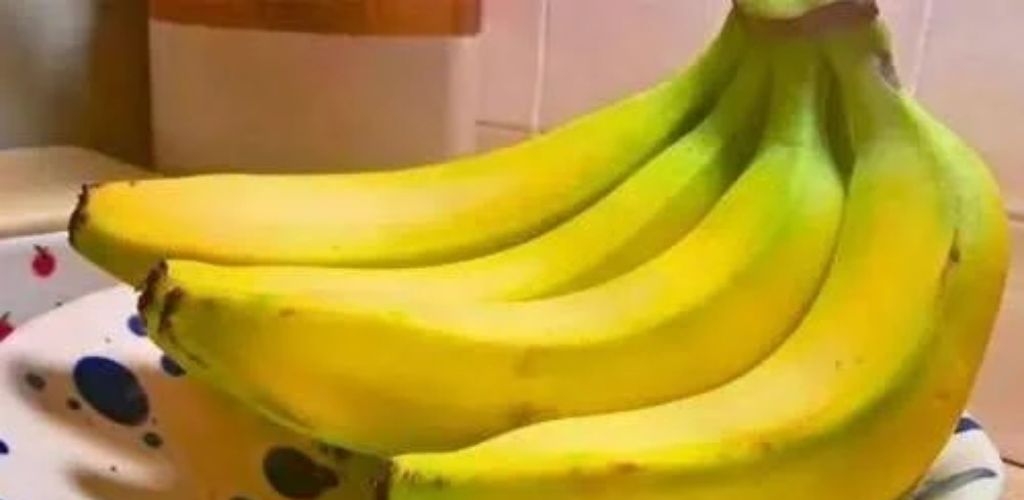
The Universal Kitchen Struggle
It’s a scene that plays out in kitchens everywhere: you buy a beautiful, bright yellow bunch of bananas, and within what feels like mere moments, they’ve transformed into a speckled, overripe mess. You’re left with two choices: bake banana bread immediately or toss them in the compost.
But what if you could hit the pause button on ripening? What if you could keep your bananas at that perfect stage of yellow firmness for not just a few extra days, but for over a week longer?
The secret isn’t a special container or a fancy gadget. It’s a common household item you already own: plastic wrap.
The Science Behind the Secret: It’s All About Gas
To understand why this works, you have to understand how bananas ripen. Bananas (and many other fruits) produce a plant hormone in the form of a gas called ethylene.
- Ethylene is a ripening signal. As a banana produces more ethylene, it triggers the conversion of starches into sugars (making it sweeter) and the breakdown of pectin (making it softer).
- It’s a chain reaction. One banana producing ethylene will accelerate the ripening of all the bananas around it, and even other fruits nearby!
The stems are the primary point where bananas release this ethylene gas. By tightly wrapping the stem end, you create a physical barrier that traps a significant portion of the ethylene, dramatically slowing down the entire ripening process for the whole bunch.
The Foolproof Method: How to Do It Right
Simply tossing the bunch in a drawer won’t work. The technique is key.
What You’ll Need:
- A bunch of bananas
- Plastic wrap (or even better, reusable beeswax wrap)
Step-by-Step Instructions:
- Separate the Bananas (Optional but Highly Effective). For the absolute best results, separate each banana from the bunch. This prevents them from ripening each other and allows for a tighter seal on each stem.
- Tightly Wrap the Stem End. Take a small piece of plastic wrap and wrap it tightly around the stem end of each banana. You want to cover the entire brown nub and a little bit of the top of the banana itself. Ensure the seal is as airtight as possible.
- Store Them Properly.
- For SLOWING Ripening: Place the wrapped bananas in a cool, dark place. Do not store them in the refrigerator at this stage, as cold temperatures will damage the cell walls of the peel (though the fruit inside is still fine to eat).
- For PAUSING Ripening: Once your bananas have reached your desired level of ripeness (perfectly yellow), you can place them in the refrigerator. The cold will virtually halt the ripening process. The peel will still turn brown due to the cold, but the fruit inside will remain firm and delicious for several more days.
Why This Beats the Fruit Bowl Every Time
- Targeted Action: A fruit bowl exposes bananas to ethylene from other fruits (like apples and avocados) and offers no barrier to slow the process. Wrapping the stems addresses the problem at its source.
- Proven Results: While “10 days longer” depends on initial freshness and storage temperature, this method consistently adds significant time to a banana’s shelf life, often a week or more compared to a bunched fruit bowl.
- Reduces Food Waste: This is the biggest benefit. You buy less, throw away less, and save money.
Pro Tips & Other Methods
- The Reusable Alternative: If you prefer to avoid plastic wrap, a small piece of aluminum foil can be molded around the stem end and reused many times.
- Already Too Ripened? If your bananas have ripened before you could use them, peel them and freeze them in a zip-top bag. They are perfect for smoothies or future baking projects.
- Keep Them Away: Store bananas away from other ethylene-sensitive produce (like apples, berries, and leafy greens) if you don’t want everything to ripen at once.