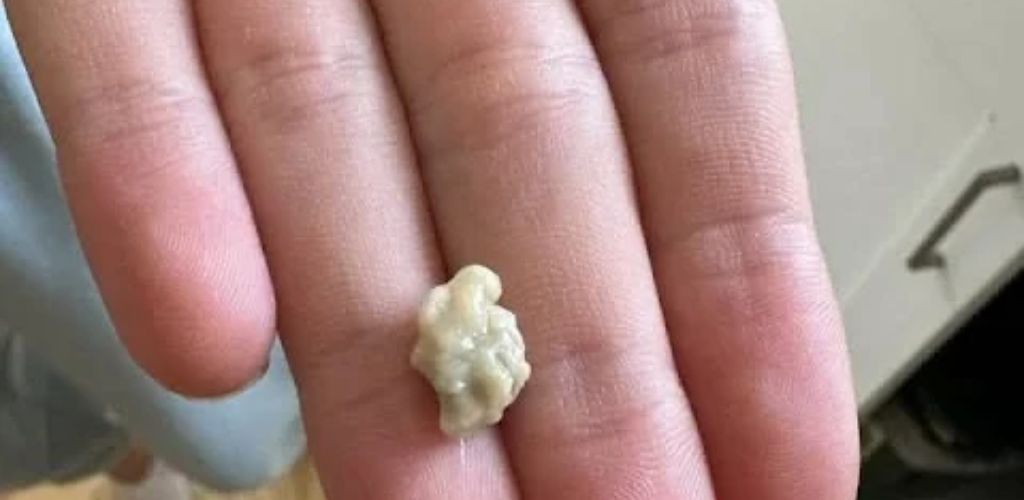
Have you ever seen small white or yellow spots on the back of your throat — or even coughed up something that looks like a tiny piece of cheese?
You might be experiencing tonsil stones (also called tonsilloliths) — small, harmless clumps that form in the crevices of your tonsils.
While they can be surprising (and sometimes smelly), they’re not dangerous — and more common than you think.
Let’s explore what tonsil stones really are, why they form, and how to manage them — so you can breathe easy (and fresh!) again.
🧠 What Are Tonsil Stones?
Tonsil stones are small, whitish or yellowish lumps that form in the pockets and folds of the tonsils — the fleshy tissues on either side of your throat.
They’re made of:
- Trapped food particles
- Dead white blood cells
- Bacteria
- Hardened saliva and mucus
- Calcium and other minerals (which make them firm or chalky)
Over time, these materials calcify — creating a hard, crumbly lump that can range from pinpoint size to pea-sized.
✅ They’re not infections — but they can contribute to bad breath.
🔍 How Common Are Tonsil Stones?
- About 10% of people experience them at some point — though some studies suggest the number could be higher
- More common in people with large or deeply pitted tonsils
- Often go unnoticed — many people don’t even know they have them
✅ They’re not a sign of poor hygiene — just anatomy and daily living.
🚩 Common Symptoms
Most tonsil stones are small and symptom-free — but larger ones can cause:
| Bad breath (halitosis) | Strong, sulfur-like odor (like rotten eggs) |
| Sore throat or irritation | Scratchy or “something stuck” feeling |
| Difficulty swallowing | If stone is large |
| Ear pain | Referred pain from shared nerves |
| Visible white/yellow lumps | On or near the tonsils |
✅ Most people only notice them when they see them in the mirror or cough them up.
🧫 What Causes Tonsil Stones?
Tonsil stones form when debris gets trapped in the tonsillar crypts (natural pockets in the tonsils) and hardens over time.
Risk Factors:
- Large or deep tonsil crypts
- Chronic tonsillitis or recurrent throat infections
- Poor oral hygiene
- Dry mouth (reduces natural cleaning from saliva)
- Post-nasal drip (mucus feeds bacteria)
- Large tonsils
✅ They’re not contagious — and not a sign of serious illness.
✅ How to Get Rid of Tonsil Stones
1. Gentle Removal at Home
- Use a cotton swab, water flosser, or clean finger to gently push the stone out
- Gargle with warm salt water to loosen it
- Use a low-pressure oral irrigator (like a Waterpik)
⚠️ Don’t dig aggressively — you could injure your tonsils.
2. Prevent Them from Coming Back
| Brush and floss daily | Reduces bacteria and food debris |
| Scrape your tongue | Removes bacteria that contribute to odor |
| Gargle after meals | Clears food from tonsil pockets |
| Stay hydrated | Saliva helps flush out debris |
| Use a mouthwash (alcohol-free) | Helps reduce bacteria without drying mouth |
🚨 When to See a Doctor
Most tonsil stones go away on their own — but see an ENT (ear, nose, and throat doctor) if you have:
- Frequent or recurring stones
- Large stones that won’t budge
- Persistent bad breath despite good hygiene
- Pain, swelling, or signs of infection
- Trouble swallowing or breathing
🩺 Treatment options include:
- Professional removal
- Laser cryptolysis (smoothing tonsil pockets)
- Tonsillectomy (removal of tonsils) — only for severe, chronic cases
❌ Debunking the Myths
| ❌ “Tonsil stones are rare” | No — they’re common and often go unnoticed |
| ❌ “They mean you’re dirty” | No — even people with great hygiene get them |
| ❌ “They’re contagious” | No — they form from your own mouth’s environment |
| ❌ “They’re dangerous” | No — they’re usually harmless |
Final Thoughts
Finding a white lump in your throat can be unsettling — but in most cases, it’s just a tonsil stone, not a health crisis.
They’re a normal part of life for many people — especially those with deeper tonsil folds.
So if you’ve been battling bad breath or that “something stuck” feeling…
check your tonsils.
And if you find a stony little surprise?
Don’t panic.
Remove it gently.
Improve your oral hygiene.
And know this:
You’re not alone — and it’s not your fault.
Because sometimes, the weirdest things in your body are just weird — not worrisome.