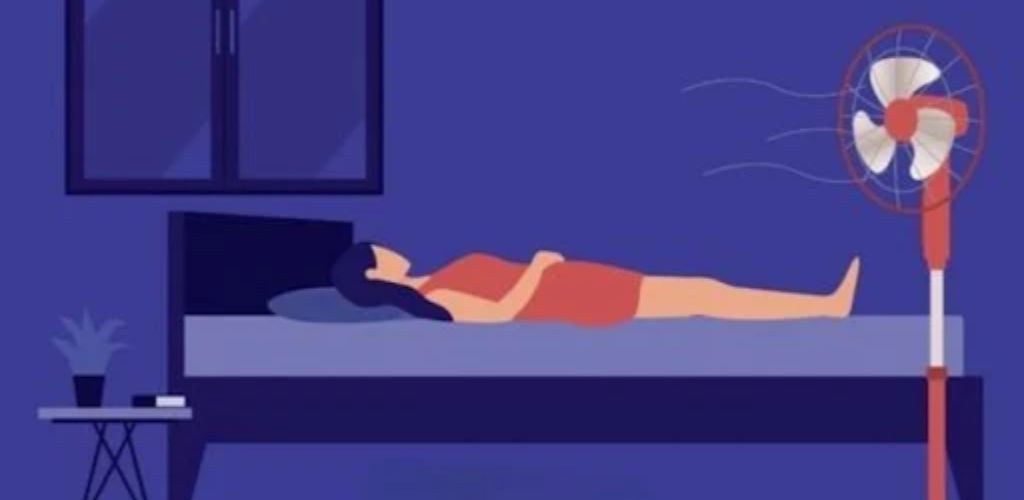
There’s nothing quite like the gentle hum of a fan on a warm night.
It cools the room, circulates air, and can even act as soothing white noise to help you fall asleep.
But have you heard the warnings?
“It dries out your throat!”
“It makes you sick!”
“You shouldn’t sleep with a fan blowing on you!”
Let’s separate fact from fiction.
While sleeping with a fan is safe for most people, it can cause minor discomfort in some cases — especially if you have allergies, dry skin, or respiratory sensitivities.
Let’s explore what science says about fans and sleep — so you can stay cool, breathe easy, and rest well — no fear needed.
Because real comfort isn’t about banning gadgets. It’s about using them wisely.
✅ The Benefits of Using a Fan at Night
Before we talk about risks, let’s acknowledge the good:
| Cools the room | Promotes lower body temperature — key for falling and staying asleep |
| Improves air circulation | Prevents stuffiness, especially in poorly ventilated rooms |
| Acts as white noise | Masks disruptive sounds (traffic, snoring) for deeper sleep |
| Affordable & energy-efficient | Much cheaper than running AC all night |
💡 The National Sleep Foundation recommends a bedroom temperature of 60–67°F (15–19°C) for optimal sleep — fans help reach that zone.
⚠️ Possible Side Effects (And Who Might Be Affected)
While rare, some people may experience mild issues when sleeping with a fan — usually due to dryness or airflow direction, not the fan itself.
1. Dry Skin, Eyes, or Throat
- Fans increase air movement, which can accelerate evaporation from your skin and mucous membranes
- May lead to:
- Chapped lips
- Dry nasal passages
- Scratchy throat upon waking
✅ Who’s more likely: People with naturally dry skin, Sjögren’s syndrome, or mouth-breathing habits
📌 Solution: Use a humidifier alongside the fan — or aim the fan away from your face.
2. Aggravated Allergies or Asthma
- If your fan is dusty or stirs up allergens (dust mites, pet dander), it can worsen symptoms
- Older fans with dirty blades blow particles into the air
✅ Solution: Clean your fan monthly with a damp cloth; use an air purifier if sensitive
⚠️ Never point a fan toward someone with active respiratory illness if it causes coughing or discomfort.
3. Muscle Stiffness or “Fan Neck” (Rare)
- Some report waking with stiff necks after cold air blows directly on them all night
- Likely due to uneven cooling causing muscle tension
✅ Fix: Avoid direct airflow; use oscillating mode or ceiling fan instead
4. Increased Coughing or Sinus Irritation
- Dry air can thicken mucus, leading to postnasal drip or nighttime coughing
- Especially noticeable in winter or dry climates
💡 Tip: Try a saline nasal spray before bed to keep passages moist.
❌ Debunking the Myths
| ❌ “Sleeping with a fan causes pneumonia” | False — fans don’t cause infections; germs do |
| ❌ “It lowers your immune system” | No evidence — being cold doesn’t make you sick unless exposed to viruses |
| ❌ “Fans are dangerous for babies” | Not true — in fact, fans reduce risk of SIDS by improving air circulation (study-backed!) |
| ❌ “It dehydrates your whole body” | No — only surface drying (skin, eyes, nose); drinking water prevents this |
🩺 Source: Archives of Pediatrics & Adolescent Medicine, 2008 — found 72% lower SIDS risk with fan use in infants’ rooms
✅ How to Use a Fan Safely at Night
| Clean your fan regularly | Prevents dust and mold buildup |
| Point it away from your face | Reduces dryness and irritation |
| Pair with a humidifier | Balances moisture in dry environments |
| Use oscillating mode | Prevents constant airflow on one area |
| Choose a quiet model | Supports uninterrupted sleep |
💡 Pro Tip: Ceiling fans are often better than box fans — they circulate air without blasting you directly.
Alternative Cooling Tips for Summer Sleep
If you’re sensitive to fans, try these:
- Freeze a washcloth and place it on your wrists or neck before bed
- Use breathable bedding (cotton, bamboo, moisture-wicking fabrics)
- Take a cool shower before bedtime
- Place a bowl of ice in front of a fan for natural air conditioning
- Upgrade to a cooling mattress pad or pillow
Final Thoughts
You don’t need to turn off your fan just because of old wives’ tales.
For most people, a fan is a safe, effective way to stay cool and sleep better — especially in hot weather.
So if it helps you drift off… keep using it.
Just clean it, aim it right, and listen to your body.
Because real wellness isn’t about fear. It’s about comfort, clarity, and making small choices that add up to restful nights.
And that kind of peace? It starts with a breeze.