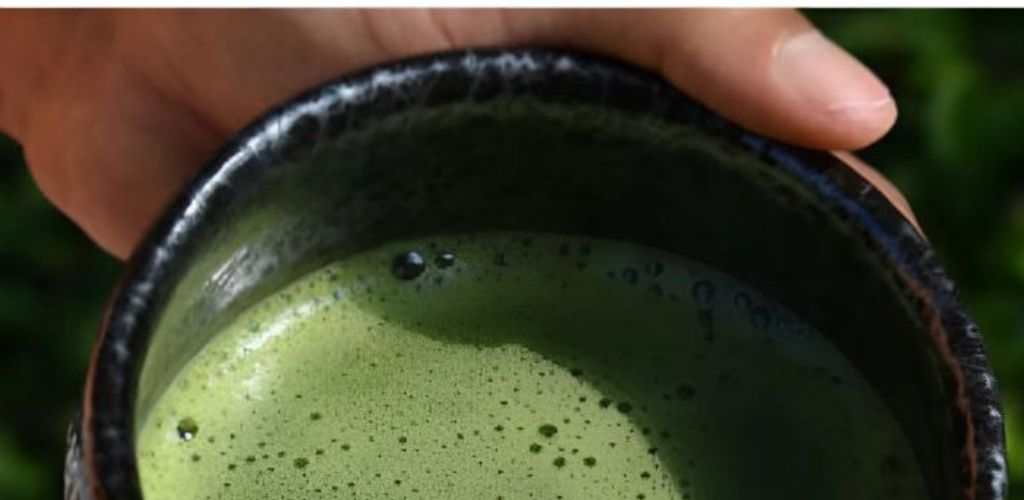
Matcha is a green tea that has become very popular due to its impressive health benefits, which are due to its high antioxidant content.
Unlike regular green tea, matcha consumes the entire ground leaf of the Camellia sinensis plant, providing a higher intake of nutrients and amino acids. Although matcha contains caffeine, it also contains compounds that mitigate its stimulating effects.
What is matcha?
Matcha is produced by grinding green tea leaves, specially grown and shaded for two weeks before harvesting to increase their amino acid and antioxidant content. The leaves are not fermented, but dried and roasted before grinding. The word “matcha” means “powdered tea” in Japanese.
Matcha’s nutritional composition:
Matcha is rich in catechins, flavanols, and polyphenols. Particularly notable is EGCG (epigallocatechin gallate), known for its anti-cancer properties. Matcha’s antioxidants reduce the risk of chronic diseases such as heart disease and type 2 diabetes.
The amino acid L-theanine has a calming effect on the brain without causing drowsiness. Matcha polyphenols have antibacterial and antimicrobial properties, supporting oral health and fighting bacteria that cause gum disease.
Matcha also contains minerals: magnesium, iron, calcium and zinc.
How much matcha can you drink?
1–2 cups per day is recommended. Since you consume the entire leaf, excessive consumption can put strain on the liver, so it’s important to drink in moderation, especially if you’re sensitive to caffeine or have a medical condition.
How to make matcha
- Traditional method: Sift 1-2 teaspoons of matcha into a bowl, add hot water and whisk with a bamboo whisk until foamy.
- Matcha latte: Mix the powder with a little water to form a paste, then add warm or cold milk and sweetener.
- Easy way: Stir matcha into a cup of hot water, add sweetener if desired.
Health benefits of matcha
- Improves brain function: Caffeine, L-theanine and EGCG enhance memory, attention and mental clarity.
- Lowers blood pressure.
- Reduces levels of “bad” LDL cholesterol.
- Stabilizes blood sugar levels.
- It has anti-cancer potential, slowing the growth of tumors.
- Supports liver and kidney health.
- Promotes weight loss by enhancing fat oxidation, especially during physical activity.
Potential side effects
- Increased blood pressure due to caffeine.
- Increased anxiety in sensitive people.
- Low blood sugar, especially when taking diabetes medications.
- Exacerbation of irritable bowel syndrome (IBS).
- Decreased calcium absorption with excessive consumption.
10 Foods That Help Prevent and Fight Cancer
Cancer develops due to changes in DNA and genes, transforming cells into uncontrollably dividing cancer cells. This can lead to tumors and organ damage. Fortunately, some foods contain natural substances that help prevent and slow the progression of cancer.
- Raw garlic
contains allicin, as well as ajoene and sulfur, which stimulate antioxidant activity, protect cells, and induce cancer cell apoptosis. For maximum benefits, garlic should be consumed raw. - Broccoli sprouts
are high in sulforaphane, which stimulates the self-destruction of cancer cells without affecting healthy ones. - Blueberries
are rich in antioxidants anthocyanins, which protect cells from free radicals. - Sauerkraut
is rich in vitamin C and contains probiotics, which support gut health and reduce the risk of tumors. - Cruciferous vegetables (cabbage, cauliflower, broccoli)
Contain phytonutrients and vitamins that help the liver remove toxins. - Turmeric and black pepper
Turmeric curcumin has an anti-inflammatory effect, black pepper improves its absorption. - Mushrooms (leukoplast, cordyceps, reishi, maitake)
are known for their immunomodulatory properties and contain substances used in the treatment of cancer. - Matcha
Contains EGCG, which slows the growth of cancer cells. - Wild fish (sardines, salmon, mackerel)
are rich in omega-3 fatty acids, which reduce inflammation and support the body during healing. - Dark chocolate (sugar-free)
Rich in antioxidants and flavonoids, helps regulate blood pressure and cholesterol.