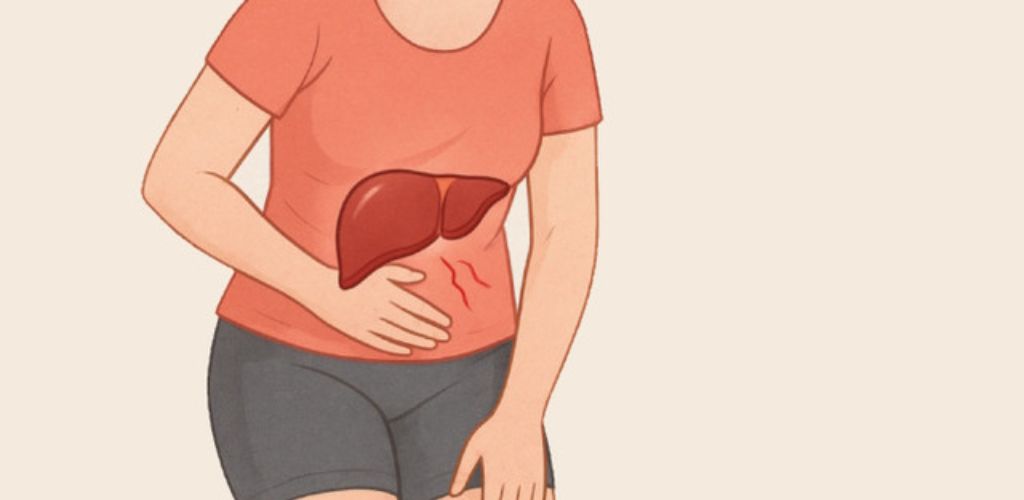
Your Legs Are Screaming SOS: 5 Warning Signs From Your Liver
Swelling, spider veins, and more. How liver problems affect the legs and what to do about it.
Have you noticed unusual changes in your legs: swelling in the evening, strange vascular patterns, or itching? We often attribute this to fatigue or age. But did you know that your legs can be an important “indicator” of the health of your… liver? Yes, the very same liver that silently works, detoxifying toxins and regulating metabolism. When it begins to fail, your legs are among the first to show warning signs. Let’s decipher these signals together.
### 1. Why the Legs? (Brief Explanation of the Connection):
**Gravity:** Blood and fluid accumulate more easily in the lower extremities.
**Circulation:** The liver plays a key role in synthesizing blood proteins and regulating pressure in the portal vein (the main vein of the liver). Liver problems directly affect blood flow in the veins of the legs.
**Metabolism:** The liver produces proteins that hold fluid in the vessels. When this malfunctions, fluid leaks into the tissues.
**Detoxification:** The accumulation of toxins due to poor liver function can cause skin reactions.
### 2. Warning signs in the legs that may indicate liver problems:
**Edema (swelling of the legs and feet):**
What it looks like: A feeling of tightness in shoes, marks from socks, an indentation when pressing on the skin that slowly disappears. Often worsens in the evening.
**Link to the liver:** A damaged liver produces less albumin, a protein that keeps fluid inside blood vessels. Low albumin levels lead to fluid leaking into the tissues (edema). Also, increased pressure in the portal vein (portal hypertension) makes it difficult for blood to flow out of the legs.
**Spider Veins (Telangiectasias):**
What they look like: Small, red or purple spider veins, usually on the ankles, feet, and less commonly higher up. Not to be confused with varicose veins.
**Liver Link:** A common symptom of chronic liver disease (especially cirrhosis). They are associated with impaired hormone metabolism (particularly estrogen) by the liver and portal hypertension, which causes dilation of small vessels.
**Skin color changes:**
What it looks like: The appearance of a yellowish tint (mild jaundice) or, conversely, hyperpigmentation (darkening) of the skin on the legs, especially around the ankles. Sometimes the skin appears bronze.
**Liver association:** Jaundice is a direct sign of impaired bilirubin (a hemoglobin breakdown product) excretion by the liver. Hyperpigmentation may be associated with metabolic disorders and melanin accumulation.
**Skin itching:**
What it looks like: Constant, obsessive itching of the skin of the legs (and often the entire body), without an obvious rash. May intensify at night.
**Liver connection:** One of the earliest and most painful symptoms of cholestasis (bile stagnation) in liver or biliary tract diseases. Bile acids accumulate in the skin, irritating nerve endings.
**Redness of the soles of the feet (Palmar erythema of the feet):**
What it looks like: Abnormally red, warm skin on the soles of the feet, especially over the big toe and heel. The redness temporarily fades with pressure.
**Liver association:** Like spider veins, it is associated with changes in hormonal metabolism and dilation of small vessels due to portal hypertension and elevated estrogen levels.
These symptoms are NOT a 100% diagnosis of liver disease. They can also occur with other conditions (heart failure, kidney disease, allergies, varicose veins, skin diseases). But they are a serious reason to see a doctor! Especially if you experience several of them simultaneously or if they appear without apparent cause and progress.
The liver is a silent organ. It can hurt without giving obvious signals until the damage becomes significant. The signals in the legs are its way of “screaming” for help through other parts of the body.
**What to do? (Call to action):**
1. Don’t ignore it! If you notice persistent swelling, spider veins, itching, or skin discoloration on your legs, especially in combination with other symptoms (fatigue, loss of appetite, nausea, discomfort in the right hypochondrium, dark urine/light stool), consult a general practitioner or gastroenterologist immediately.
2. Prepare for your visit: Note when the symptoms appeared, what aggravates/relieves them, and whether you have any other complaints.
3. Be prepared for the examination: The doctor will order blood tests (biochemistry with liver function tests – ALT, AST, bilirubin, alkaline phosphatase, GGT, albumin; complete blood count), and an ultrasound of the abdominal organs. This is necessary for an accurate diagnosis.
Your feet aren’t just a place to stand. They can be a sensitive barometer of your liver’s health. Swelling, spider veins, itching, or unusual skin color aren’t just cosmetic issues. These are important signals our bodies send when the liver is struggling. Recognizing these warning signs and seeking medical attention promptly is key to early diagnosis and successful treatment of potential problems. Don’t wait for your “silent” liver to speak up—listen to what your feet are saying. Take care of yourself and your health!
Swelling, spider veins, and more. How liver problems affect the legs and what to do about it.