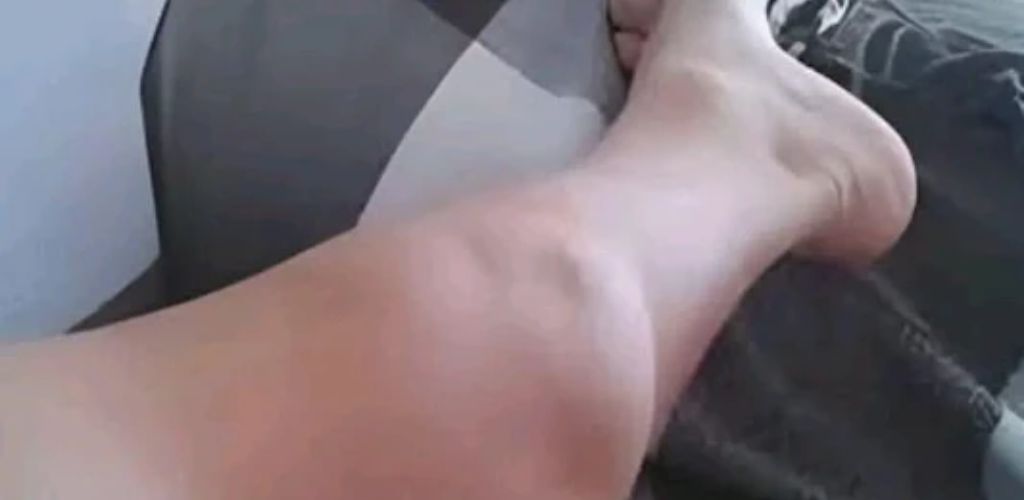
You’re sound asleep.
Then — suddenly — it hits: A sharp, tightening pain in your calf. Your foot curls inward. You can’t move without wincing.
It’s a nocturnal leg cramp — and if you’ve had one, you know how intense it feels.
These involuntary muscle contractions are common, often lasting seconds to minutes, but they can disrupt sleep, cause lingering soreness, and even make you dread bedtime.
The good news? 👉 While night cramps can affect anyone, they’re not random. Certain people are far more likely to experience them — and understanding why is the first step toward relief.
Let’s explore who’s most at risk, what triggers these painful spasms, and what actually works to prevent them — so you can sleep through the night again.
Because real rest isn’t about luck. It’s about knowing your body — and giving it what it needs.
🔍 What Are Nocturnal Leg Cramps?
Night cramps are sudden, painful contractions in the calf muscles (most common), foot, or hamstrings that occur during sleep or inactivity.
Unlike restless legs syndrome (which causes an urge to move), cramps involve tightening you can feel — often severe enough to wake you up.
They’re different from:
- Charley horses (same thing — just slang)
- Restless Legs Syndrome (RLS) (creepy-crawly feeling, not pain)
- Peripheral artery disease (PAD) (pain on walking, not at rest)
✅ Most cramps are harmless — but frequent ones deserve attention.
⚠️ Who Is Most at Risk?
While anyone can get a night cramp, certain groups are much more likely to experience them regularly.
1. Adults Over Age 60
- Up to 50–60% of older adults report regular night cramps
- Muscle mass declines with age → less support and circulation
- Slower nerve signaling may contribute
🩺 Often worse at night due to reduced movement during the day.
2. Pregnant Women (Especially in the Third Trimester)
- Up to half of all pregnant women experience leg cramps
- Likely due to:
- Pressure from the growing uterus on nerves and blood flow
- Changes in circulation and mineral balance (calcium, magnesium, potassium)
💡 Usually resolves after delivery.
3. People Who Sit for Long Periods or Are Sedentary
- Prolonged sitting shortens calf muscles → increases spasm risk
- Lack of daily movement reduces circulation and muscle tone
📌 Office workers, drivers, and those recovering from injury are especially prone.
4. Athletes or Those Who Overuse Muscles
- Intense exercise without proper warm-up/cool-down
- Dehydration or electrolyte imbalance (from sweating)
- Muscle fatigue → increased cramping at night
✅ Even fit individuals aren’t immune.
5. People with Certain Medical Conditions
| ✅Peripheral Artery Disease (PAD) | Poor blood flow to legs |
| ✅Diabetes | Nerve damage (neuropathy), circulation issues |
| ✅Kidney Disease | Electrolyte imbalances (low calcium/potassium) |
| ✅Neurological Disorders | ALS, Parkinson’s, spinal stenosis |
| ✅Thyroid or Liver Issues | Metabolic disruptions |
🩺 If cramps are frequent and unexplained, see a doctor.
6. Those Taking Certain Medications
Some drugs increase cramp risk as a side effect:
| ✅ Diuretics (“water pills”) | Furosemide, hydrochlorothiazide — deplete potassium/magnesium |
| ✅ Statins (cholesterol drugs) | Atorvastatin, simvastatin |
| ✅ Beta-agonists (for asthma) | Albuterol |
| ✅ Birth control pills | Hormonal shifts may play a role |
💊 Never stop prescribed meds without talking to your doctor — but ask if alternatives exist.
🧪 Common Triggers (Even in Healthy People)
| ❗Dehydration | Low fluid levels affect muscle function |
| ❗Electrolyte Imbalance | Low potassium, calcium, or magnesium |
| ❗Poor Sleep Posture | Feet pointing down for hours → calves tighten |
| ❗Alcohol Use | Dehydrates and affects nerve-muscle communication |
📌 One-time cramps? Often triggered by lifestyle.
🔁 Frequent cramps? May signal deeper issue.
✅ What Actually Helps Prevent Night Cramps
1. Daily Stretching (Especially Before Bed)
Target calf and hamstring muscles:
- Wall stretch: Lean into a wall with one leg back, heel down
- Towel stretch: Sit with leg straight, loop towel around foot, gently pull toes toward you
🔁 Hold each stretch 30 seconds, repeat 2–3 times per leg.
✅ A 2012 study found nightly stretching reduced cramp frequency by 75%.
2. Stay Hydrated Throughout the Day
- Drink water consistently — don’t wait until thirsty
- Include electrolyte-rich foods:
- Bananas (potassium)
- Spinach (magnesium)
- Dairy or fortified plant milk (calcium)
💧 Avoid excessive caffeine and alcohol.
3. Move Regularly During the Day
- Walk every hour if sedentary
- Try light resistance training or yoga
- Calf raises help maintain strength and circulation
🚶♀️ Even 10 minutes of movement helps.
4. Adjust Your Sleep Position
- Avoid sleeping with toes pointed downward
- Use a pillow under your feet or elevate the foot of your bed slightly
🛏️ Keeps calves in a neutral position.
5. Consider Magnesium Supplements (With Caution)
- Some studies show magnesium citrate or glycinate may reduce cramps — especially in pregnancy
- Typical dose: 200–350 mg/day
- Consult your doctor first — not safe for kidney disease patients
⚠️ Avoid oxide forms — poorly absorbed and may cause diarrhea.
❌ Debunking the Myths
| ❌ “Put a bar of soap under the sheet” | No scientific evidence — placebo effect at best |
| ❌ “Pickles juice cures cramps instantly” | May help via taste-triggered nerve reflex — but not proven |
| ❌ “Only old people get them” | False — athletes, pregnant women, and teens get them too |
| ❌ “Quinine prevents cramps” | Dangerous myth — banned by FDA for this use due to heart risks |
🚫 Never take quinine without medical supervision.
🚨 When to See a Doctor
Seek evaluation if you have:
- Cramps multiple times per week
- Increasing pain or weakness
- Swelling, redness, or skin changes in the legs
- Cramps that don’t respond to self-care
- History of heart, liver, or kidney disease
🩺 Blood tests, nerve studies, or vascular exams may be needed.
Final Thoughts
You don’t need to suffer through another jolt in the dark.
But you do deserve peaceful sleep — deep, uninterrupted, and free from pain.
So next time you’re winding down… pause.
Stretch your calves. Hydrate. Move with purpose.
Because real relief isn’t loud. It’s quiet. And sometimes, it starts with one gentle pull — and one decision to care.
And that kind of comfort? It carries you further than fatigue ever could.