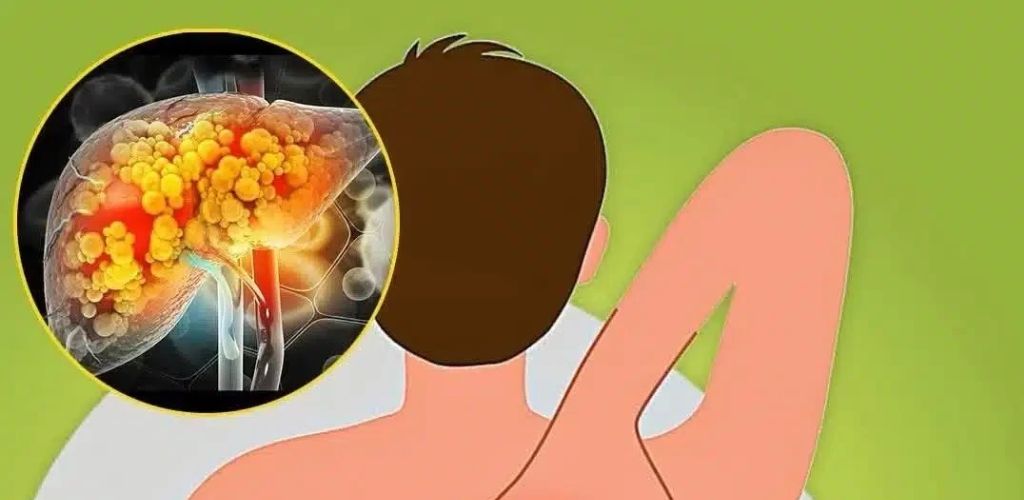
The liver is an essential organ, but it can suffer in silence. An excessively rich diet, an unbalanced lifestyle, or excessive alcohol consumption can lead to hepatic steatosis, better known as “fatty liver.” This condition is affecting more and more people, often without realizing it. Fortunately, there is treatment available before it’s too late.
What are the signs to watch out for? How can you protect your liver and avoid complications like cirrhosis? Here’s everything you need to know.
What is fatty liver disease?
Fatty liver disease is an excessive accumulation of fat in the liver. Normally, this organ contains a small amount of lipids, but when the fat exceeds 5-10% of its total weight, it begins to suffer and malfunction.
There are two types of fatty liver disease:
Alcoholic fatty liver disease (AFLD): Caused by excessive and prolonged alcohol consumption. Non-alcoholic fatty liver disease (NAFLD): Associated with a sedentary lifestyle, an unbalanced diet, obesity, or diabetes.
NAFLD is of particular concern because it now affects 1 in 4 adults worldwide and can progress to cirrhosis if left untreated.
Signs that should alert you
Fatty liver disease is often asymptomatic, but some warning signs should alert you:
Persistent tiredness
Abdominal pain or discomfort (right side, under the ribs)
Bloating and indigestion
Jaundice (yellowing of the skin and eyes in advanced cases)
Loss of appetite and nausea
If you experience these symptoms, see a doctor for a liver test.
The main causes of fatty liver disease
An unbalanced diet: excessive sugar, saturated fat, and ultra-processed foods.
Excess weight: obesity promotes the accumulation of fat in the liver.
Diabetes and insulin resistance: high blood sugar levels promote liver inflammation. Alcohol consumption: the main factor in fatty liver disease.
Lack of physical activity: a sedentary lifestyle slows liver metabolism.
Good news: fatty liver disease can be treated with good habits!
How to protect and regenerate the liver naturally?
There is no miracle cure for fatty liver disease, but dietary and lifestyle changes can help the liver regenerate.
Follow a healthy, balanced diet.
Focus on:
Green vegetables (broccoli, spinach) for their detoxifying effect.
Antioxidant-rich fruits (apples, berries, lemon).
Healthy fats (avocado, olive oil, nuts).
Lean proteins (fish, poultry, tofu).
Whole grains (quinoa, brown rice).
Limit or avoid:
Ultra-processed foods (processed meals, soda).
Refined sugars and sugary products.
Fried foods and saturated fats (fast food, cured meats).
Alcohol, even in small amounts.
Get more physical activity.
Physical activity helps reduce liver fat and improve liver function.
Goal: 150 minutes of moderate physical activity per week (brisk walking, swimming, cycling, dancing).
Muscle-strengthening exercises (squats, push-ups) also improve insulin sensitivity.
Stay hydrated and choose healthy drinks.
Water: Drink 1.5 to 2 liters a day to help the liver eliminate toxins.
Green tea: Rich in antioxidants, it protects liver cells.
Milk thistle or turmeric infusions: These herbs help regenerate the liver.
Control your weight.
A gradual weight loss of 5–10% can already reduce liver fat and improve liver function.
Practical advice:
Eat slowly and avoid snacking between meals.
Maintain regular meal times.
Choose home-cooked meals over fast food.
Supplements and natural remedies: a panacea for the liver.
Milk thistle: Helps repair liver cells.
Omega-3s (fish oil, flaxseed): Reduce liver inflammation.
Vitamin E: Protects against oxidative stress.
Before taking any dietary supplements, consult your doctor.
Bottom line: Take care of your liver before it’s too late
Fatty liver disease can be treated with good habits.
Eat healthily (limit sugars and unhealthy fats).
Get regular physical activity (150 minutes a week).
Avoid alcohol and stay hydrated.
Monitor your weight and get regular checkups.
The liver is an extraordinary organ: it can regenerate if you give it the right conditions!
Share this article with your loved ones: prevention begins with information!