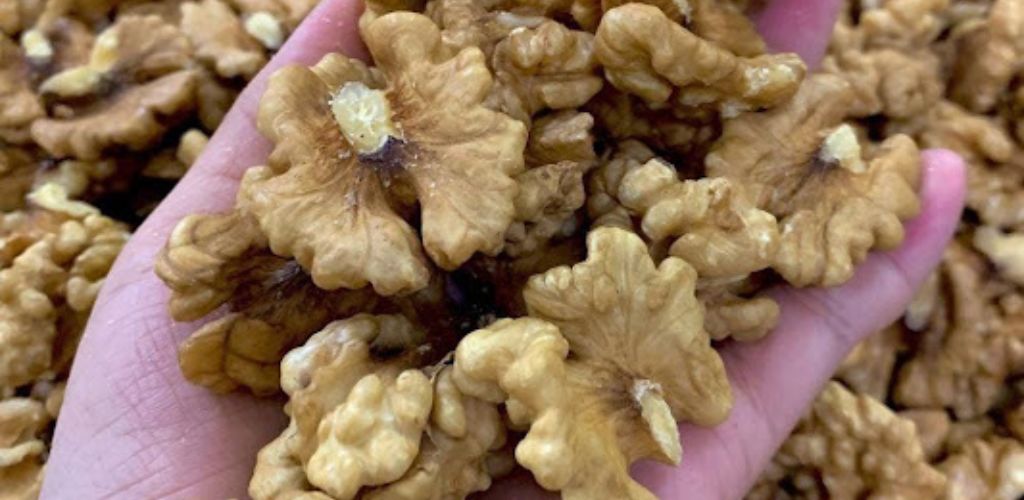
You’ve likely seen walnuts on breakfast bowls, in salads, or tucked into baked goods.
With their brain-like shape, they’ve long been linked to cognitive health — almost symbolically.
But beyond folklore, there’s something truly special about this nut.
Packed with omega-3s, antioxidants, fiber, and plant compounds, walnuts (Juglans regia) are one of the most nutrient-dense nuts you can eat.
And yes — decades of research show that eating just a small handful (about 1 oz or 7–8 halves) daily supports:
- Brain function
- Heart health
- Gut balance
- Healthy aging
Let’s explore what science really says about walnuts — so you can enjoy them not for hype, but for their quiet, powerful role in lifelong wellness.
Because real nourishment isn’t loud. It’s simple. And sometimes, it comes wrapped in a shell.
🔬 Why Walnuts Stand Out Among Nuts
Not all nuts are created equal — and walnuts have a unique profile:
| Nutrient | Why It Matters |
|---|---|
| ✅ Alpha-Linolenic Acid (ALA) | Plant-based omega-3 fat — highest among all nuts |
| ✅ Polyphenol Antioxidants | Especially ellagitannins — protect cells from oxidative stress |
| ✅ Fiber & Prebiotics | Feed beneficial gut bacteria |
| ✅ Melatonin | Supports sleep regulation |
| ✅ Vitamin E, Magnesium, Copper | Support nerve function, energy, and immunity |
📌 Just 1 ounce (28g) of walnuts provides:
- 2.5g ALA (over 100% of daily needs)
- 2g fiber
- 4g protein
- 19 vitamins and minerals
🩺 Recognized by the FDA as part of a heart-healthy diet.
✅ Science-Supported Benefits of Eating Walnuts Daily
1. Supports Brain Health & Cognitive Function
Your brain runs on healthy fats — and walnuts deliver.
Studies show:
- Older adults who eat walnuts daily score better on memory, focus, and processing speed
- Animal studies suggest reduced plaque buildup linked to Alzheimer’s
- Improved mood and reduced depression symptoms in some trials
🧠 The combination of omega-3s, polyphenols, and vitamin E helps protect neurons and reduce inflammation.
💡 Not a cure — but a smart dietary ally for long-term brain health.
2. Promotes Heart Health
Heart disease remains the #1 cause of death worldwide — and walnuts help lower key risk factors.
Clinical trials (like the PREDIMED study) found:
| Benefit | Effect |
|---|---|
| ✅ Lower LDL (“bad”) cholesterol | By up to 10% |
| ✅ Reduced blood pressure | Mild but consistent improvements |
| ✅ Improved artery function | Better endothelial health |
| ✅ Lower inflammation markers | CRP, IL-6, TNF-alpha |
❤️ Eating walnuts regularly is linked to a 14–50% lower risk of cardiovascular events, according to meta-analyses.
3. Feeds a Healthy Gut Microbiome
Walnut skins are rich in tannins and polyphenols — compounds most people don’t digest directly… but your gut bacteria love.
Research shows:
- Daily walnut consumption increases beneficial bacteria like Lactobacillus and Bifidobacterium
- Reduces gut inflammation
- May improve gut barrier integrity (helpful for leaky gut concerns)
🍽️ A healthy microbiome supports immunity, mood, and metabolism — making walnuts a true whole-body food.
4. May Help Manage Weight & Appetite
Despite being calorie-dense, walnuts don’t lead to weight gain when eaten in moderation.
Why?
- High fiber and protein promote fullness
- Chewing whole nuts slows eating pace
- Some calories remain trapped in cell walls — not fully absorbed
📊 One large study found women who ate nuts (especially walnuts) gained less weight over time than those who didn’t.
✅ Ideal portion: 1 oz per day — about 14 halves.
5. Supports Blood Sugar Balance
For people managing insulin resistance or type 2 diabetes:
- Walnuts improve insulin sensitivity
- Reduce post-meal glucose spikes
- Help maintain HbA1c levels
🥗 Pair with complex carbs (like oats or fruit) for stable energy.
🍽️ How to Eat Walnuts Safely & Effectively
Best Ways to Enjoy:
| Method | Tip |
|---|---|
| ✅ Raw or lightly toasted | Preserves delicate oils |
| ✅ On oatmeal or yogurt | Adds crunch and nutrition |
| ✅ In salads | Great with apples, beets, goat cheese |
| ✅ Baked into muffins or breads | Replace eggs with ground walnuts (binding effect) |
| ✅ As walnut butter | Choose unsweetened versions |
⚠️ Store in the fridge or freezer — their high polyunsaturated fat makes them prone to rancidity.
⚠️ Important Safety Notes
| Rule | Why It Matters |
|---|---|
| ❗ Moderation is key | More than 1–1.5 oz/day may displace other foods or add excess calories |
| ❗ Avoid salted or candied varieties | Added sugar/sodium reduces benefits |
| ❗ Allergies exist | Tree nut allergies can be severe — do not consume if allergic |
| ❗ Not for infants | Choking hazard — serve ground or as oil after age 1+ |
🚫 Never replace medical treatment with walnuts — they support health, but don’t cure disease.
❌ Debunking the Myths
| Myth | Truth |
|---|---|
| ❌ “Walnuts cure Alzheimer’s” | False — supportive, not curative |
| ❌ “Eating more = faster brain gains” | Dangerous myth — excessive intake offers no extra benefit |
| ❌ “They detox your body” | Misleading — your liver detoxifies; walnuts support overall health |
| ❌ “Only raw walnuts work” | No — light roasting doesn’t destroy nutrients significantly |
Final Thoughts
You don’t need exotic supplements to fuel your body.
But you can reach for the jar — knowing that something so simple holds centuries of wisdom and modern science alike.
So next time you’re snacking… pause.
Crack open a shell. Chew slowly. Appreciate the crunch.
Because real strength isn’t flashy. It’s quiet. And sometimes, it starts with one tiny nut — and one deep breath.
And that kind of care? It grows deeper than any trend ever could.