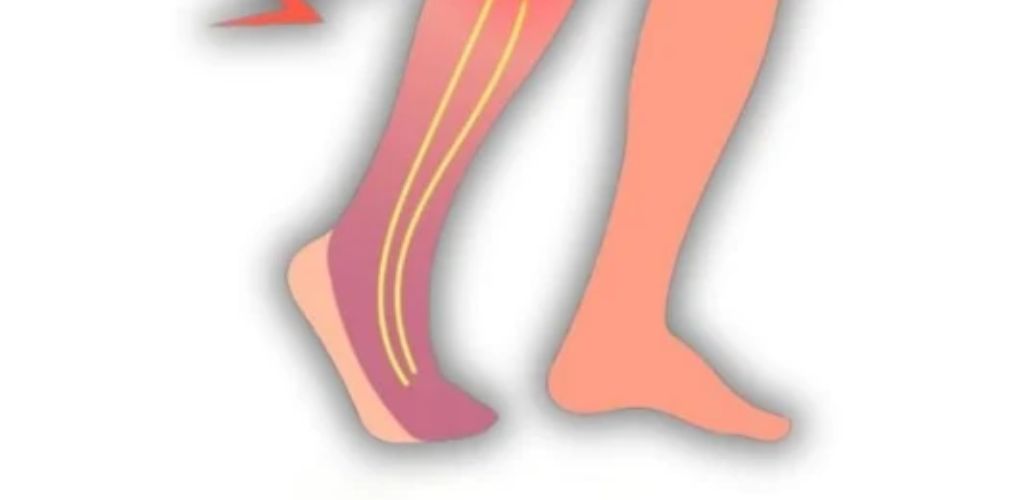
You used to climb stairs without thinking.
Get up from a chair in one smooth motion. Walk around the block with ease.
Now, your legs feel heavy. Getting out of bed takes effort. Even standing from the couch feels like a workout.
If you’re over 60, you’re not alone. 👉 Leg weakness is common — but it’s not something you have to just accept.
While aging plays a role, many causes of leg weakness are treatable — even reversible.
Let’s uncover 5 surprising reasons why seniors experience weak legs — and what you can do to regain strength, stability, and confidence.
Because real aging isn’t about slowing down. It’s about staying strong — one step at a time.
🔍 Why Do Legs Weaken with Age?
Aging naturally brings changes:
- Muscle mass declines (~3–8% per decade after 30)
- Nerves slow down
- Joints stiffen
But when leg weakness appears suddenly or worsens fast, it may signal an underlying issue — not just “getting old.”
Let’s explore the less obvious culprits.
⚠️ 5 Surprising Causes of Leg Weakness in Seniors
1. Vitamin B12 Deficiency
- Often missed because symptoms mimic normal aging
- B12 is essential for nerve function and red blood cell production
- Low levels cause tingling, numbness, balance issues, and leg weakness
🩺 Who’s at risk?
- People taking acid-reducing meds (like omeprazole)
- Those with digestive disorders (Crohn’s, celiac)
- Vegetarians/vegans (B12 comes from animal foods)
✅ Fix:
- Blood test to check levels
- Supplement with B12 (sublingual or injectable if severe)
- Eat more eggs, fish, meat, dairy
📌 Improvement often seen within weeks.
2. Peripheral Neuropathy
- Damage to nerves in the legs and feet
- Causes: Diabetes (most common), alcohol use, autoimmune conditions
- Symptoms: Burning, tingling, “pins and needles,” muscle weakness
🩺 Diagnosed through nerve conduction studies and blood work
✅ Fix:
- Control blood sugar (if diabetic)
- Take prescribed neuropathy meds (like gabapentin)
- Wear supportive shoes
- Balance exercises to prevent falls
💡 Early treatment slows progression.
3. Spinal Stenosis
- Narrowing of the spinal canal in the lower back
- Compresses nerves that control leg muscles
- Causes pain, cramping, or weakness — especially when walking (called neurogenic claudication)
🛑 Often mistaken for poor circulation
✅ Fix:
- Physical therapy to strengthen core and improve posture
- Anti-inflammatory meds or epidural injections
- Surgery in advanced cases
🩺 MRI confirms diagnosis.
4. Medication Side Effects
Some common prescriptions weaken legs without warning:
| ✅ Statins (cholesterol drugs) | Can cause muscle pain, fatigue, weakness |
| ✅ Beta-blockers (for blood pressure) | May reduce energy and leg strength |
| ✅ Benzodiazepines (anxiety/sleep meds) | Increase fall risk and impair coordination |
| ✅ Diuretics | Deplete potassium → muscle cramps and weakness |
✅ Fix:
- Review all medications with your doctor
- Never stop meds without guidance — but ask about alternatives
- Monitor symptoms closely
5. Sedentary Lifestyle (Disuse Atrophy)
- The #1 reversible cause of leg weakness
- Muscles shrink when not used — even in just a few weeks of inactivity
- Common after illness, hospital stays, or winter isolation
💡 “Use it or lose it” is real.
✅ Fix:
- Start gentle: seated leg lifts, ankle pumps, standing marches
- Progress to walking, chair yoga, or resistance bands
- Aim for 150 minutes of moderate activity per week (per CDC)
🏋️♀️ Even small movements rebuild strength.
✅ How to Strengthen Your Legs Safely
You don’t need intense workouts to see results.
| ✅Heel & Toe Raises | Builds calf strength and balance |
| ✅Sit-to-Stand (Chair Squats) | Strengthens quads and glutes |
| ✅Leg Extensions & Lifts | Improves knee stability |
| ✅Walking | Boosts circulation, endurance, and mood |
| ✅Resistance Bands | Gentle way to build muscle at home |
📹 Pro Tip: Use a sturdy chair or counter for support — safety first.
📈 Studies show seniors gain noticeable leg strength in as little as 6–8 weeks with consistent exercise.
🍽️ Nutrition That Supports Stronger Legs
Food fuels muscle repair and nerve health.
| ✅Protein | Eggs, chicken, fish, beans, Greek yogurt | Builds and maintains muscle |
| ✅Vitamin D | Sunlight, fatty fish, fortified milk | Supports muscle function; deficiency linked to weakness |
| ✅Potassium | Bananas, sweet potatoes, spinach | Prevents cramps and supports nerve signals |
| ✅Omega-3s | Salmon, walnuts, flaxseeds | Reduces inflammation in joints and muscles |
🥛 Older adults need more protein than younger people — aim for 1.0–1.2 grams per kg of body weight daily.
❌ Debunking the Myths
| ❌ “Weak legs mean I’m too old to improve” | False — most seniors gain strength with proper care |
| ❌ “Exercise will hurt my joints” | Not true — movement protects joints and reduces pain |
| ❌ “Only young people should lift weights” | Dangerous myth — resistance training is safe and vital for seniors |
| ❌ “If it doesn’t hurt, it’s fine” | Weakness can be silent until a fall happens — act early |
🚨 When to See a Doctor
Seek medical advice if you have:
- Sudden or worsening leg weakness
- Numbness or loss of bladder/bowel control (possible cauda equina syndrome — emergency!)
- Difficulty walking or frequent falls
- Unexplained cramps or twitching
🩺 A primary care doctor, neurologist, or physical therapist can help diagnose and create a plan.
Final Thoughts
You don’t need to give up walks, stairs, or independence.
But you do deserve stronger legs — and the freedom they bring.
So next time you’re rising from your chair… pause.
Push up with purpose. Take one step. Then another.
Because real strength isn’t about speed. It’s about showing up — day after day — for the life you love.
And that kind of resilience? It never gets old.