As we age, bones naturally become thinner and more fragile, increasing the risk of developing osteoporosis. This is especially true for women going through menopause, a stage characterized by a significant decline in estrogen and progesterone levels.
After menopause, a woman’s bones lose density more rapidly. The decline in estrogen slows calcium absorption in the digestive tract, making bones more vulnerable. Osteoporosis is officially diagnosed when bone mineral loss reaches 30% to 50%.
Natural support for osteoporosis
Several natural remedies can help slow the aging of bones and strengthen them. These options offer nutritional value, anti-inflammatory benefits, and hormone-like effects, without resorting to synthetic drugs.
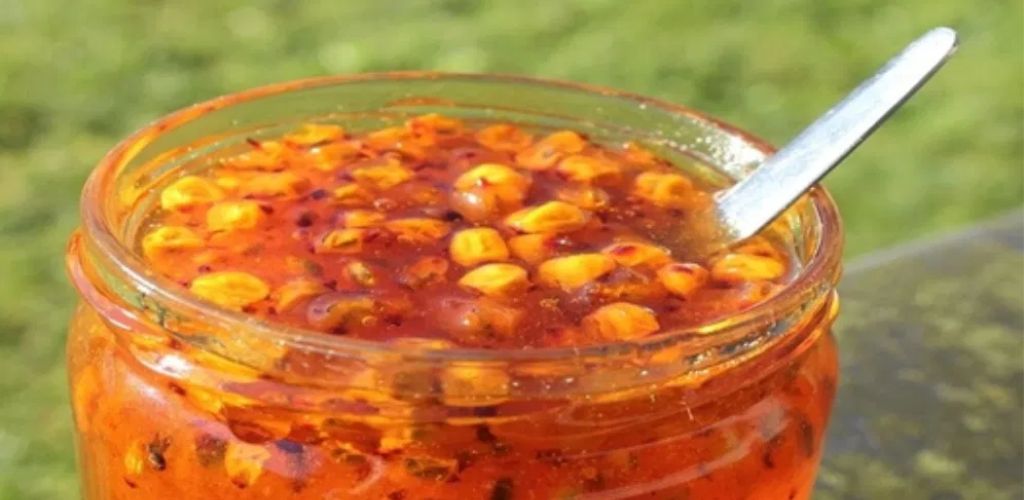
Sea buckthorn oil
This oil is a powerful source of antioxidants such as beta-carotene, polyphenols, and vitamin E, along with vitamins D, F, and K.
It also contains calcium, magnesium, and healthy fats like gamma-linolenic acid, all of which help fight inflammation and aging.
Horsetail tincture or tea:
Horsetail is a silica-rich plant known to promote bone strength. Studies show that horsetail extract (used alone or with calcium) can help increase bone density.
Herbalists like Dr. John Ray Christopher believed that the silica in horsetail converted into calcium in the body.
Fish oil (omega-3 fatty acids):
Research, including a University of Texas study on mice, has found that fish oil helps maintain bone density, reduces bone degradation, and promotes bone formation.
Rich in omega-3 fatty acids, fish oil is extracted from fatty fish such as salmon, sardines, and herring.
In addition to contributing to bone health, omega-3s can also relieve joint pain and inflammation, especially in those with rheumatoid arthritis.
Other helpful supplements include spirulina and blackcurrant bud extract, both known for their mineral content and anti-inflammatory properties.
Diet for Stronger Bones
A diet that helps support bone health should consist primarily of raw foods (ideally two-thirds of the recommended daily intake), including vegetables, fruits, nuts, and sprouts.
Sesame seeds are particularly valuable due to their bioavailable calcium content. They can be eaten ground, or as tahini or halva. Dishes like hummus, a blend of chickpeas, sesame seeds, lemon, garlic, and olive oil, are nutritious and delicious.
Recommended nuts include almonds, pistachios, and walnuts. Peanuts should be avoided by those with osteoporosis.
Green vegetables, rich in silica and calcium, help strengthen bones, just as in ancient times, when gladiators consumed silica-rich foods. Start your day with a vegetable smoothie made with carrot juice mixed with leafy greens such as spinach, nettle, watercress, parsley, or basil. Drinking 300-400 ml a day can replenish vital minerals.
Limit processed and acidic foods, which reduce bone mass. Be careful with animal products, which can interfere with calcium absorption. Instead, combine whole grains with legumes, such as chickpeas and oats, soybeans and rice, or lentils and corn.
Other beneficial foods include Lithothamnion calcareum seaweed and ground hemp seeds.
Finally, sunlight and exercise are essential. Daily walks, dancing, or jogging promote bone hardening through exposure to light. Regular bone densitometry (focusing on the hips and spine) and blood tests (checking parathyroid hormone, beta-cross-laps, and alkaline phosphatase) can help detect early signs of osteoporosis.