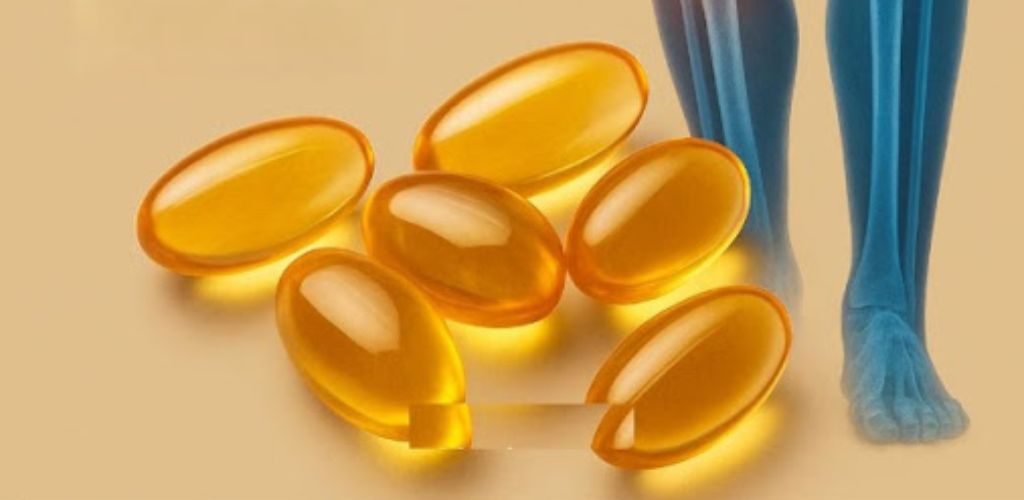
Have you been feeling it?
A deep ache in your legs. Tenderness in your shins or hips. Stiffness when you stand up after sitting. Maybe even muscle weakness or frequent cramps.
You chalk it up to aging. Overdoing it at the gym. Sleeping wrong.
But what if it’s something quieter? Something your body has been trying to tell you for months?
👉 For millions of people, unexplained leg and bone pain is tied to a silent deficiency: Vitamin D.
Not calcium. Not magnesium. But the “sunshine vitamin” — essential for strong bones, healthy muscles, and proper nerve function.
Let’s explore how low vitamin D can cause real physical discomfort — and what you can do about it — so you can stop guessing and start healing.
Because real relief isn’t about guessing. It’s about listening to what your body is really saying.
🔬 Why Vitamin D Matters for Bones & Muscles
Vitamin D isn’t just a nutrient — it’s a hormone precursor that your body needs to:
- Absorb calcium from food
- Maintain bone density
- Support muscle strength
- Regulate inflammation and immune response
Without enough of it, your body can’t keep your skeleton strong — even if you drink milk or take calcium pills.
What Happens When You’re Deficient?
| Effect | Symptom |
|---|---|
| ❌ Poor calcium absorption | Weak bones → pain, risk of fractures |
| ❌ Muscle weakness | Heaviness in legs, difficulty climbing stairs |
| ❌ Nerve sensitivity | Aching, throbbing, or cramping in calves, thighs, or back |
🩺 Severe deficiency can lead to:
- Osteomalacia (softening of bones in adults)
- Rickets (in children)
- Increased fall risk in older adults
🚩 Who’s at Risk of Low Vitamin D?
| Group | Why They’re Vulnerable |
|---|---|
| ✅ Older Adults | Skin produces less vitamin D with age |
| ✅ People with Darker Skin | Melanin reduces UVB absorption |
| ✅ Those Who Stay Indoors | Limited sun exposure (office workers, homebound individuals) |
| ✅ People in Northern Latitudes | Less intense sunlight, especially in winter |
| ✅ Individuals with Digestive Issues | Celiac, Crohn’s, or gastric bypass affect absorption |
| ✅ Obese Individuals | Vitamin D gets trapped in fat tissue |
🌍 Studies show over 1 billion people worldwide have low vitamin D levels — many without knowing it.
🧪 How to Know If You’re Deficient
Symptoms alone aren’t enough — but they’re clues.
Common Signs:
- Deep bone pain (especially in pelvis, legs, lower back)
- Muscle fatigue or weakness
- Frequent muscle cramps or spasms
- Slow wound healing
- Generalized tiredness
✅ The only way to confirm? A blood test:
25-hydroxyvitamin D test — ideal range: 30–80 ng/mL
< 20 ng/mL = deficient
20–30 ng/mL = insufficient
🩺 Ask your doctor during your next check-up — especially if you have chronic pain or limited sun exposure.
✅ How to Restore Healthy Levels
1. Sunlight (Safely)
- 10–30 minutes of midday sun, several times a week
- Expose arms, legs, or face — no sunscreen during short exposure
- Avoid burning — skin damage increases cancer risk
🌞 Best for lighter skin; darker skin may need longer exposure.
2. Dietary Sources
While few foods naturally contain vitamin D:
| Food | Vitamin D (IU per serving) |
|---|---|
| ✅ Fatty fish (salmon, mackerel) | 400–600 IU |
| ✅ Cod liver oil | 1,300+ IU (per tsp) |
| ✅ Egg yolks | 40 IU |
| ✅ Fortified milk or plant milk | 100–120 IU |
| ✅ Fortified cereals | 80–100 IU |
🍽️ Diet alone rarely provides enough — supplementation is often needed.
3. Supplements
| Type | Use |
|---|---|
| ✅ Vitamin D3 (cholecalciferol) | More effective than D2 at raising blood levels |
| ✅ Typical dose | 600–800 IU/day for adults (higher doses under medical supervision) |
| ✅ High-dose therapy | Prescribed for severe deficiency (e.g., 50,000 IU weekly for 8 weeks) |
⚠️ Never megadose without testing — too much vitamin D can cause kidney stones or heart issues.
❌ Debunking the Myths
| Myth | Truth |
|---|---|
| ❌ “If my bones hurt, I just need more calcium” | False — without vitamin D, calcium isn’t absorbed |
| ❌ “I get enough sun through windows” | No — glass blocks UVB rays |
| ❌ “More vitamin D = stronger bones” | Dangerous myth — balance matters |
| ❌ “Only old people need vitamin D” | Not true — deficiency affects all ages |
🚨 When to See a Doctor
Seek evaluation if you have:
- Persistent leg or bone pain without injury
- Muscle weakness affecting daily life
- History of fractures or osteoporosis
- Conditions that affect nutrient absorption
🩺 Other causes of leg/bone pain include:
- Sciatica or spinal stenosis
- Peripheral artery disease (PAD)
- Fibromyalgia
- Thyroid disorders
Never self-diagnose — get tested before treating.
Final Thoughts
You don’t need to live with aching legs or mysterious bone pain.
But you do deserve answers.
So next time you’re struggling to stand up from the couch… pause.
Ask:
Could this be more than just aging?
Then talk to your doctor.
Because real strength isn’t about pushing through pain. It’s about caring enough to find out why it’s there.
And that kind of wisdom? It builds a foundation — not just for healthier bones, but for a fuller, freer life.