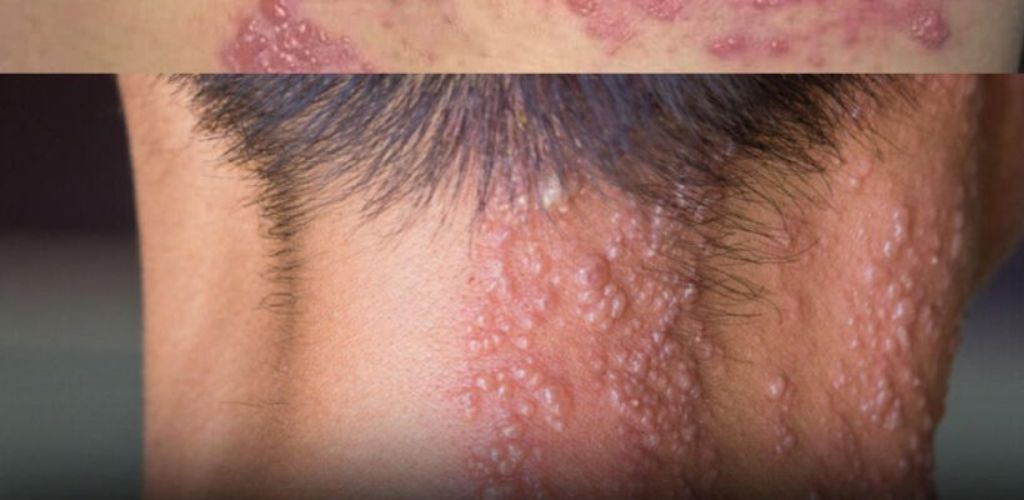
What is HPV?
HPV is a group of more than 200 viruses.
- Low-oncogenic types cause benign formations on the skin and mucous membranes.
- Highly oncogenic strains are associated with the development of certain types of cancer.
Almost every sexually active person has been exposed to HPV at least once.
The body usually clears the virus on its own within 1–2 years, but sometimes it persists and causes complications.
Why men should be more careful
HPV in men can lead to:
- inflammation and growths on the skin of the intimate area,
- diseases of the throat and mouth,
- cancer of the anus or pharynx.
The danger of HPV is that it often occurs asymptomatically —a person does not even suspect that they are a carrier.
How the virus is transmitted
HPV is transmitted through skin-to-skin contact , not just through bodily fluids.
Even if there are no visible symptoms, the virus can be transmitted to a partner.
This is why it is considered a “silent infection”—many people only discover they have it years later.
Symptoms in men
- small growths or warts in sensitive areas,
- benign tumors of the respiratory tract,
- in advanced cases – lesions of the mouth, tongue, tonsils or anus.
Emotional consequences
An HPV diagnosis often causes anxiety and shame, but shame is misplaced : almost everyone encounters this virus.
The key is to stay open, discuss the issue with your partner, and seek medical attention.
How to protect yourself
- Vaccination is a reliable preventative measure.
- Recommended for ages 11–12 and up to 45.
- Effective against the most dangerous strains.
- Safe relationships – using protection reduces risk, although it does not eliminate it completely.
- Regular check-ups – early detection helps avoid complications.
- Strong immunity means proper nutrition, exercise, and quitting smoking.
- Openness – talking about health with your partner builds trust and protects both of you.
Common myths
Myth 1: HPV only affects women.
Truth: Men can also become infected and suffer from its consequences.
Myth 2: If you have no symptoms, everything is fine.
Truth: The virus can be present in the body even if you don’t feel any discomfort.
Myth 3: Only those who lead a “risky” lifestyle get sick.
Truth: You can become infected even with a single contact.
Myth 4: Men don’t need the vaccine. Truth: The vaccine protects both men and their partners.
Main
Human papillomavirus (HPV) is common but manageable .
Vaccination, regular checkups, and a responsible approach to health can help prevent most complications.
Awareness is not fear, but protection.
Take care of yourself and your loved ones: prevention is always better than cure.