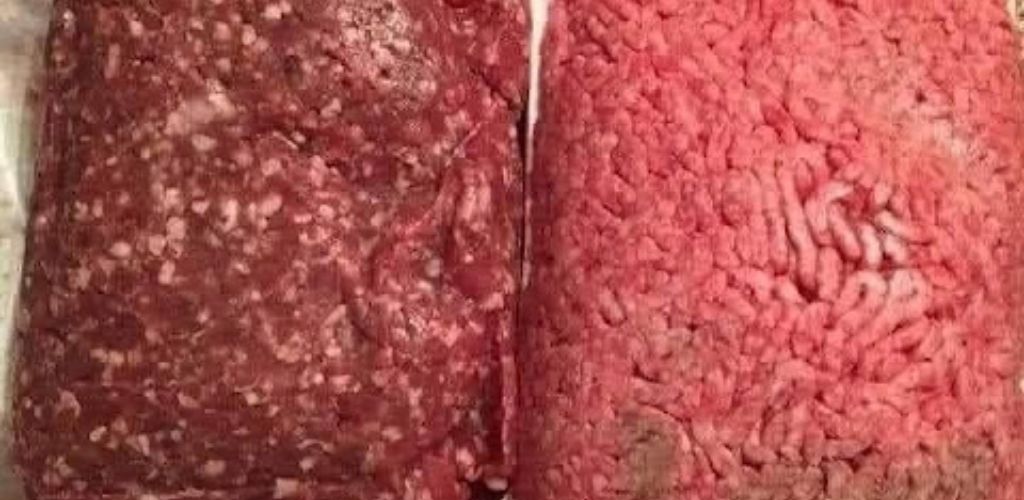
Choosing what kind of beef ends up on your plate isn’t just about flavor.
It’s about values. Memory. Health. And trust.
For many older adults — especially those who remember family farms, Sunday roasts from the local butcher, or animals grazing nearby — today’s grocery-store meat can feel distant, even unfamiliar.
Meanwhile, “farm-raised” or “locally sourced” beef has gained popularity as part of a growing movement toward transparent, sustainable food systems.
But what really sets store-bought and farm-raised beef apart?
Let’s explore the real differences in how cattle are raised, fed, processed, and labeled — so you can choose with confidence, whether you’re shopping at a supermarket, farmers market, or online farm co-op.
Because real food choices aren’t about guilt. They’re about knowing where your meal comes from — and why it matters.
🔍 What Do We Mean by “Store-Bought” vs. “Farm-Raised”?
Before comparing them, let’s define what we mean:
| Term | Meaning |
|---|---|
| ✅ Store-Bought Beef | Typically mass-produced in large feedlots, processed through centralized facilities, and sold in supermarkets — often labeled simply as “beef” |
| ✅ Farm-Raised (or Pasture-Raised) Beef | Raised on smaller farms, often grass-fed and finished, with more transparency about animal care, diet, and processing methods |
📌 Important: These terms aren’t regulated — so labels matter.
Let’s break down the key differences.
🧪 1. How the Cattle Are Raised
Store-Bought Beef
- Most comes from concentrated animal feeding operations (CAFOs)
- Cattle spend much of their lives in pens, not pastures
- Goal: Efficient weight gain for consistent supply
🐄 Often referred to as “conventionally raised.”
Farm-Raised Beef
- Raised on open pastures or rotational grazing systems
- More space to move, access to fresh air and sunlight
- Emphasis on animal welfare and natural behaviors
🌱 Many are certified humane, organic, or regenerative.
🌾 2. Diet: Grass-Fed vs. Grain-Finished
This is one of the biggest nutritional and taste-related differences.
| Factor | Store-Bought (Grain-Finished) | Farm-Raised (Often Grass-Fed/Finished) |
|---|---|---|
| Diet | Corn, soy, grains (in feedlots) | Grass and forage (for life, if 100% grass-fed) |
| Fat Content | Higher marbling → juicier texture | Leaner cuts, less intramuscular fat |
| Flavor | Milder, buttery taste | Earthy, mineral-rich, slightly gamey |
| Omega-3s | Lower levels | Up to 5x higher than grain-fed |
| CLA (Conjugated Linoleic Acid) | Moderate | Higher — linked to anti-inflammatory benefits |
✅ Note: Not all farm-raised beef is 100% grass-fed — some is “grass-fed, grain-finished.” Always check the label.
🏷️ 3. Labeling & Transparency
Grocery stores often lack detailed information — but here’s how to read between the lines.
| Label | What It Really Means |
|---|---|
| ❗ “Natural” | Minimally processed — doesn’t address farming practices |
| ✅ “Organic” | No synthetic hormones, antibiotics, or GMO feed; access to pasture |
| ✅ “Grass-Fed” | Must eat grass — but duration varies (look for “100% grass-fed”) |
| ✅ “No Antibiotics Ever” | Verified by third-party programs |
| ✅ “Animal Welfare Approved” | High standards for living conditions |
🔍 With farm-raised beef, you can often meet the farmer, visit the farm, or get full sourcing details.
💰 4. Cost Comparison
| Option | Price Range (per lb) | Why the Difference? |
|---|---|---|
| ✅ Store-Bought (conventional) | $5–$9 | Economies of scale, subsidies, high-volume production |
| ✅ Premium Grocery (organic, grass-fed) | $10–$16 | Better standards, lower yield, higher labor costs |
| ✅ Direct-from-Farm (farm-raised) | $12–$18+ | Small-scale, transparent, ethical practices |
💡 Tip: Buying whole or half a cow (“cow-share”) reduces cost per pound over time.
🍽️ 5. Taste & Cooking Tips
Taste is personal — but preparation matters.
| Type | Best Cooking Methods |
|---|---|
| ✅ Grain-Finished (Store-Bought) | Great for grilling, pan-searing — holds up well to high heat |
| ✅ Grass-Fed (Farm-Raised) | Leaner = cooks faster and dries out easier<br>✅ Use lower heat<br>✅ Marinate to tenderize<br>✅ Avoid cooking past medium |
🍽️ Many people find farm-raised beef has a cleaner, richer flavor — especially when raised without additives.
🌍 6. Environmental & Ethical Impact
| Consideration | Store-Bought | Farm-Raised |
|---|---|---|
| ✅ Carbon Footprint | Higher (due to feed production, transport, methane from feedlots) | Often lower — especially with regenerative grazing |
| ✅ Water Use | High (corn irrigation, processing) | Generally lower |
| ✅ Animal Welfare | Varies — CAFOs often criticized | Typically better conditions, outdoor access |
| ✅ Support for Local Economy | Low (corporate supply chains) | High — supports small farmers and rural communities |
🌱 Some farm-raised operations use regenerative agriculture — rebuilding soil health and capturing carbon.
❌ Debunking the Myths
| Myth | Truth |
|---|---|
| ❌ “All store-bought beef is ‘bad’” | False — many conventional farms follow responsible practices |
| ❌ “Farm-raised means organic” | Not always — ask questions or look for certification |
| ❌ “Grass-fed beef has no fat” | Misleading — it’s leaner, but still contains healthy fats |
| ❌ “You can’t trust grocery stores” | Not true — USDA inspections ensure safety across all types |
✅ How to Make the Right Choice for You
There’s no single “best” option — only what works for your life.
Ask yourself:
- What’s within my budget?
- Do I value traceability and sustainability?
- Am I cooking for one or a family?
- How important is tenderness vs. flavor depth?
📌 You don’t have to choose one type forever. Many families mix both:
- Everyday meals → affordable store-bought cuts
- Special occasions → premium farm-raised steaks
That’s balance.
Final Thoughts
You don’t need to give up memories to live in the modern world.
But you can honor the past — by making choices today that reflect care, curiosity, and connection.
So next time you’re standing in front of the meat counter… pause.
Read the label. Ask the question. Choose with purpose.
Because real nourishment isn’t just about protein. It’s about the story behind the steak.
And that kind of respect? It starts long before the first bite.