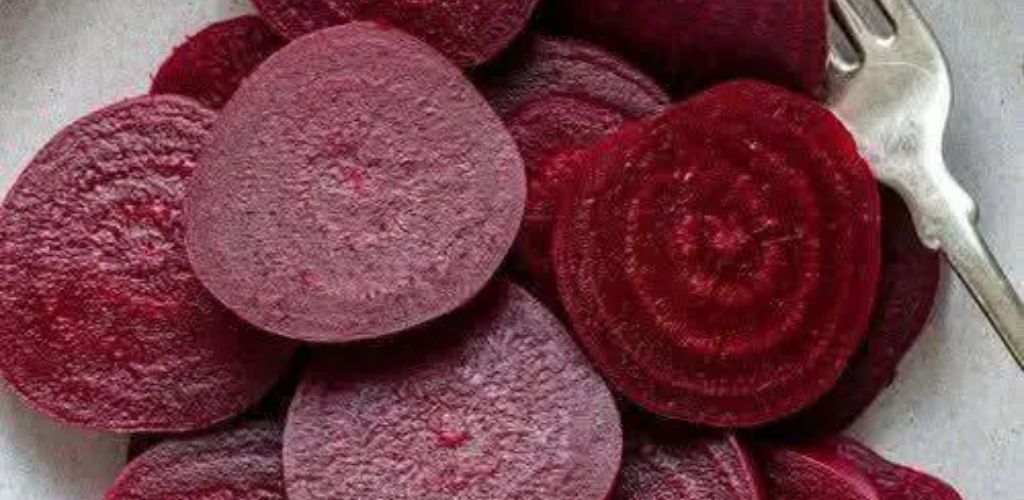
You’ve seen them in salads.
Roasted on dinner plates. Blended into smoothies with ginger and apple.
They’re vibrant. Earthy. And yes — sometimes they make your urine pink.
But behind their bold color lies something more subtle: 👉 A quiet, science-supported ability to support circulation, digestion, and overall well-being — especially as we age.
Beets (Beta vulgaris) aren’t magic. But they are medicine — in the gentlest, most delicious form.
Let’s explore what doctors and nutrition experts really say about adding beets to your diet — so you can enjoy them not for hype, but for their quiet power to nourish.
Because real wellness isn’t loud. It’s steady. And sometimes, it comes in deep red.
🔬 Why Beets Stand Out Among Vegetables
Beets are packed with nutrients that work together — not in isolation.
| Key Nutrient | Why It Matters |
|---|---|
| ✅ Dietary Nitrates | Converted to nitric oxide — supports blood vessel health |
| ✅ Fiber (2–3g per cup) | Feeds gut bacteria and supports regular digestion |
| ✅ Folate (Vitamin B9) | Essential for cell repair and nerve function |
| ✅ Manganese & Potassium | Support metabolism, muscle function, and fluid balance |
| ✅ Betanin (antioxidant) | Gives beets their color; helps protect cells from oxidative stress |
📌 One cup of cooked beets = ~58 calories, low sugar, high reward.
❤️ How Beets Support Circulation (Backed by Science)
One of the most studied benefits of beets is their effect on blood flow — thanks to naturally occurring nitrates.
Here’s how it works:
- You eat beets (or drink beet juice).
- Gut bacteria convert nitrates → nitrite → nitric oxide (NO).
- Nitric oxide relaxes the inner lining of blood vessels (endothelium), helping them dilate.
✅ This process can lead to:
- Mild reduction in blood pressure (systolic drops of 4–10 mmHg in clinical trials)
- Improved oxygen delivery during physical activity
- Better blood flow to the brain and muscles
🧠 A 2017 study published in Hypertension found that drinking one glass of beet juice daily led to measurable improvements in vascular function within hours.
💡 Important: Effects are modest and temporary — lasting 6–12 hours — so regular intake matters.
🏃♂️ Do Beets Boost Energy and Stamina?
Many athletes use beet juice before endurance events — and there’s reason why.
Studies show:
- Cyclists who drank beet juice before a ride used less oxygen and lasted longer
- Older adults walked farther during exercise tests after consuming nitrates
- Brain blood flow increased during mental tasks in older adults (per NIH research)
But here’s the truth:
Beets don’t give you an adrenaline rush. They help your body use oxygen more efficiently — which can mean:
- Less fatigue during walks or chores
- Slightly better stamina over time
- Feeling like daily movement takes less effort
✅ Think of it as fine-tuning your engine — not revving it.
🌿 Gentle Digestive Support
Beets are rich in fiber and betaine, both of which support digestive comfort:
| Benefit | How It Works |
|---|---|
| ✅ Promotes regular bowel movements | Fiber adds bulk and softness to stool |
| ✅ Feeds beneficial gut bacteria | Acts as a prebiotic — supporting microbiome balance |
| ✅ May reduce bloating (for some) | Betaine supports liver detox pathways involved in digestion |
🍽️ Best when eaten cooked — raw beets can be hard to digest for sensitive stomachs.
⚠️ Side note: That pink urine? Beeturia — harmless and affects ~10–15% of people.
🧠 Cognitive Health: Early Research, Promising Signs
As we age, cerebral blood flow tends to decline — contributing to slower thinking or memory lapses.
Preliminary research suggests dietary nitrates may help:
- Improve blood flow to the frontal lobes (involved in decision-making and focus)
- Enhance cognitive performance in older adults with mild issues
🔬 A small 2010 study at Wake Forest University found improved brain connectivity in seniors who consumed beet juice before exercise.
📌 Not a cure for dementia — but a promising area of ongoing research.
🥄 How to Enjoy Beets Safely & Effectively
Best Ways to Eat Them:
| Method | Tip |
|---|---|
| ✅ Roast with olive oil and herbs | Brings out natural sweetness |
| ✅ Blend into smoothies | Pair with banana, apple, yogurt, or ginger |
| ✅ Shred raw into salads | Adds crunch and color |
| ✅ Drink beet juice (in moderation) | Limit to ½ cup daily — high in natural sugars |
| ✅ Try fermented beet kvass | Probiotic-rich traditional drink |
⏱️ Cooked beets last 3–5 days in the fridge — or freeze for later use.
⚠️ Who Should Be Cautious?
While beets are safe for most, consider limits if you have:
| Condition | Advice |
|---|---|
| ❗ Kidney stones (oxalate type) | Beets are high in oxalates — may contribute to stone formation |
| ❗ Low blood pressure | Nitrates may lower BP further — monitor symptoms like dizziness |
| ❗ Digestive sensitivity | Can cause gas or bloating in some due to FODMAP content |
| ❗ Diabetes | Juice spikes blood sugar faster than whole beets — choose whole forms |
🩺 Always talk to your doctor before making big dietary changes — especially if managing chronic conditions.
❌ Debunking the Myths
| Myth | Truth |
|---|---|
| ❌ “Beets detox your liver” | Misleading — your liver already detoxifies; beets support it indirectly |
| ❌ “Drinking beet juice cures hypertension” | False — helpful as part of a plan, but not a replacement for medication |
| ❌ “Everyone should eat beets every day” | No — individual needs vary; too much can cause GI upset |
| ❌ “Raw beets are always better” | Not true — cooking increases antioxidant availability in some cases |
Final Thoughts
You don’t need exotic ingredients to fuel your body.
But you do deserve food that works quietly — behind the scenes — to keep you strong.
So next time you’re slicing into that ruby-red root… pause.
Appreciate its depth. Respect its power. Enjoy its earthy sweetness.
Because real nourishment isn’t flashy. It’s quiet. And sometimes, it starts with one humble beet — and one deep breath.
And that kind of care? It grows deeper than any trend ever could.