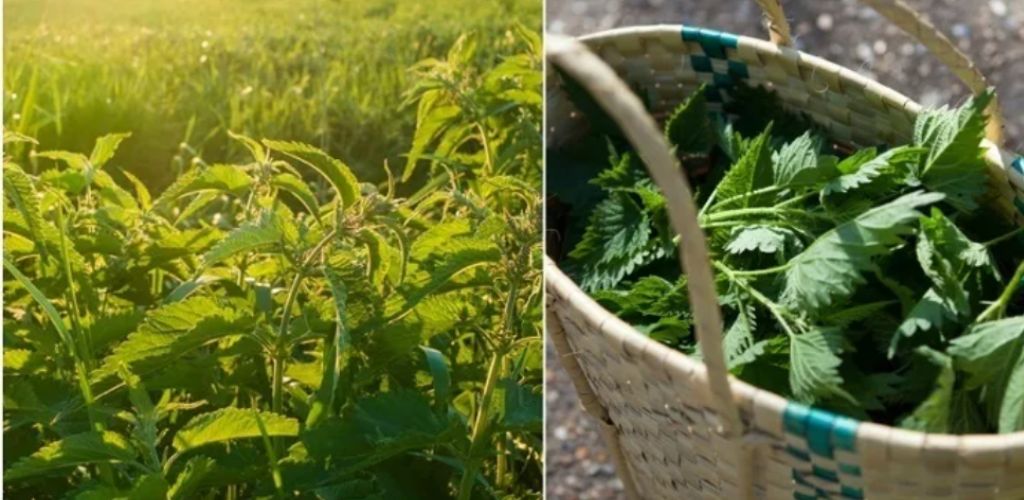
If you’ve ever touched a stinging nettle and felt its stinging sting, you might not realize that this common weed boasts a wealth of health benefits and has been used as a natural remedy for centuries. In this article, we explore the many advantages of nettle leaves, from their rich nutritional profile to their potential applications for promoting health and well-being.

The nutritional value of nettle leaves:
Nettle leaf, scientifically known as Urtica dioica, is a plant native to Europe and Asia but now found in many parts of the world. It boasts a wide range of essential nutrients, including vitamins, minerals, and phytonutrients. Here are some of the key components that make nettle leaves a nutritional powerhouse:
- Vitamins: Nettle leaves are a rich source of vitamins, especially vitamin A, vitamin C and various B vitamins, including B1 (thiamin), B2 (riboflavin) and B3 (niacin).
- Minerals: It contains a wealth of essential minerals such as iron, calcium, magnesium and potassium.
- Proteins: Nettle leaves are unique among plants due to their protein content and are therefore an excellent choice for the diet of vegetarians and vegans.
- Phytonutrients: It contains a variety of plant compounds, including carotenoids and flavonoids, which have antioxidant and anti-inflammatory properties.

Health benefits of nettle leaves:
- Anti-inflammatory properties: Nettle leaves have traditionally been used to alleviate inflammatory conditions, including arthritis. Some studies suggest that they may help reduce inflammation and relieve symptoms.
- Allergy relief: Nettle leaves are known for their potential to relieve seasonal allergies. They can act as a natural antihistamine and soothe symptoms such as sneezing and itchy eyes.
- Digestive health: Nettle leaves can support digestive health by soothing the digestive tract and relieving symptoms of conditions such as irritable bowel syndrome (IBS).
- Hair and skin health: Nettle leaves are frequently used in natural hair and skin care products. They are believed to promote hair growth and maintain healthy, radiant skin.
- Nutrient-rich foods: Nettle leaves can be eaten similarly to spinach as a nutrient-rich food. They can be used in recipes such as soups, smoothies, and teas.
- Diuretic effect: It can have a diuretic effect, which can help with fluid retention and blood pressure regulation.
- Blood sugar regulation: Some studies suggest that nettle leaves can help regulate blood sugar levels and may be beneficial for diabetics.

Uses of nettle leaves:
Nettle leaves can be used in various forms, including dried herbs, tea, or extract. Before using nettle leaves for medicinal purposes, you should always consult a doctor, especially if you are pregnant, breastfeeding, or taking medication.
The unassuming nettle leaf, often dismissed as a garden nuisance, is a treasure trove of nutrients and health benefits. Whether consumed as a nutrient-rich food or for its potential medicinal properties, nettle leaves have long been used to promote well-being. Incorporating them into your diet or wellness routine can be a step towards harnessing the power of nature for a healthier and happier life.