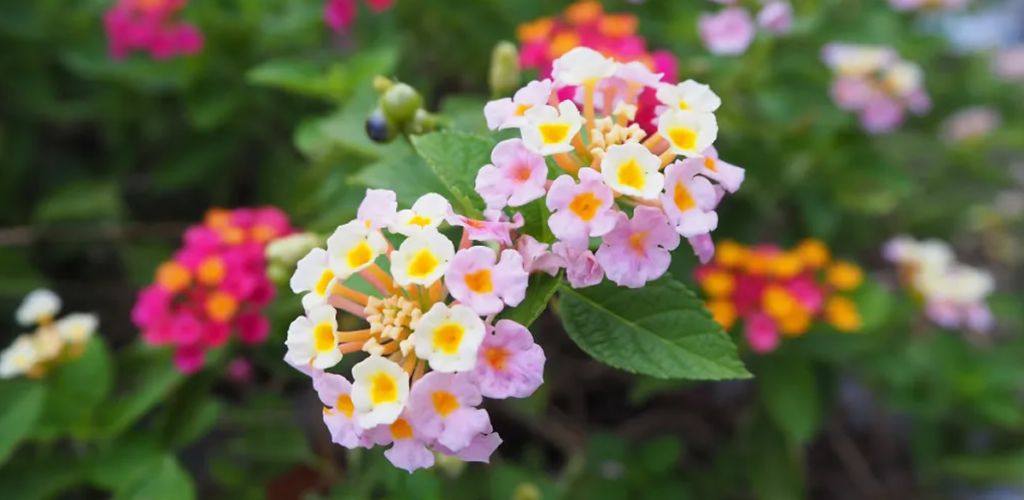
Lantana ( Lantana camara ) is a tropical plant prized for its beauty, with its multiple, colorful flowers ranging from yellow to orange, pink, and purple .
Native to Central and South America, lantana has become popular worldwide as a decorative plant in gardens, parks, and balconies thanks to its hardiness and ability to attract butterflies and hummingbirds.
Besides its beauty, lantana also offers an ecological benefit: it acts as a natural mosquito repellent.
Lantana’s mosquito repellent action
Mosquitoes are annoying and, in some cases, can carry serious diseases such as malaria, dengue, and West Nile virus. It’s understandable, therefore, that we want to protect ourselves from these annoying and potentially dangerous insects. Lantana contains essential oils, such as valproic acid, isobutyric acid, and isovaleric acid, which act as natural mosquito repellents.
When grown and placed near areas frequented by mosquitoes, lantana can help repel these unwanted insects. This makes it an eco-friendly and safe choice for protecting your home and garden from mosquitoes without having to resort to chemical repellents.
How to Care for Lantana to Get Its Repellent Benefits
Lantana is an easy plant to care for, but it’s important to provide the right conditions for it to grow healthily and maximize its repellent essential oils. Here are some tips on how to care for lantana:
1. Location: Lantana thrives in full sun, so choose a spot in your garden or on your balcony where it receives at least 6-8 hours of direct sunlight a day.
2. Soil: Make sure you plant your lantana in well-drained soil, as it does not like waterlogging.
3. Watering: Lantana is fairly drought tolerant, but you will need to water it regularly, especially during periods of hot, dry weather.
4. Pruning: Regular pruning helps stimulate growth and keep the plant compact and vigorous. Prune away dead or yellowed parts to encourage new flower growth.
5. Fertilization: Use a balanced fertilizer for flowering plants once a month during the growing season to increase flowering.
6. Winter: If you live in an area with cold winters, lantana is generally considered a perennial only in warmer regions. In colder areas, it should be moved to sheltered locations or treated as an annual.
7. Frost Protection: If you grow it in areas prone to frost, be sure to protect it during the colder months or bring it indoors.
With proper care, your lantana will thrive and give you its beautifully colorful flowers and the added benefit of mosquito protection.
Lantana is a fascinating and versatile plant, prized for its beauty and natural mosquito repellent. Growing it in your garden or on your balcony will not only add color and vibrancy to the space, but will also help protect you from annoying mosquito bites in a safe and environmentally friendly way.
However, it’s important to remember that, although lantana does have mosquito repellent properties, it isn’t a complete protection. In particularly mosquito-infested environments or in areas at high risk of mosquito-borne diseases, it’s recommended to take additional protective measures, such as using skin repellents and installing mosquito screens on windows.
Lantana can be considered part of a larger strategy to keep your home and garden free from pesky mosquitoes.