Cancer doesn’t always announce itself with pain.
Sometimes, it starts quietly — a change in your body you might brush off as aging, stress, or fatigue.
But here’s what experts agree on: 👉 The earlier cancer is found, the better the chances for successful treatment.
While many early cancers have no symptoms at all — which is why screenings like mammograms, colonoscopies, and Pap tests are so vital — some signs should never be ignored.
Let’s explore 15 common warning signs of cancer — so you can listen to your body, act wisely, and get checked if something feels off.
Because real health isn’t about waiting for pain. It’s about paying attention before silence becomes crisis.
🔍 Why Early Detection Matters
- Many cancers (like breast, colorectal, cervical, and skin) are highly treatable when caught early
- Some symptoms are subtle — easily mistaken for less serious conditions
- Delaying evaluation can allow cancer to grow or spread
🩺 Remember: Having a symptom does NOT mean you have cancer.
But noticing changes and getting them checked? That’s one of the smartest things you can do for your health.
⚠️ 15 Common Warning Signs of Cancer
1. Unexplained Weight Loss
- Losing 10+ pounds without trying
- Often linked to cancers of the pancreas, stomach, esophagus, or lung
📌 Not due to diet or exercise? See your doctor.
2. Fever That Won’t Go Away
- Persistent low-grade fever
- May be a sign the immune system is fighting cancer (especially lymphoma or leukemia)
🌡️ Especially concerning if accompanied by night sweats or fatigue.
3. Extreme Fatigue
- Tiredness that doesn’t improve with rest
- Can occur with blood-related cancers or advanced disease
🧠 Not normal aging — investigate if new or severe.
4. Pain That Persists
- Constant back pain (possible pancreatic, ovarian, or colon cancer)
- Bone pain (could signal spread)
- Headaches that worsen (brain tumor concern)
❗ Pain is rarely an early sign — but when it lasts, it needs answers.
5. Skin Changes
Watch for:
- New moles or changes in existing ones (asymmetry, border, color, diameter, evolving) → melanoma risk
- Yellowish skin (jaundice) → liver or pancreatic issues
- Dark patches (acanthosis nigricans) → insulin resistance or internal cancer
🧴 Use the ABCDE rule for moles — see a dermatologist annually.
6. Sores That Don’t Heal
- Mouth ulcers lasting more than 2 weeks
- Skin sores that scab, bleed, and reopen
🩺 Could indicate oral, skin, or other cancers.
7. White Patches Inside the Mouth (Leukoplakia)
- Thick, white patches on tongue or cheeks
- Often caused by tobacco use — can be precancerous
🦷 Dentists check for this during cleanings.
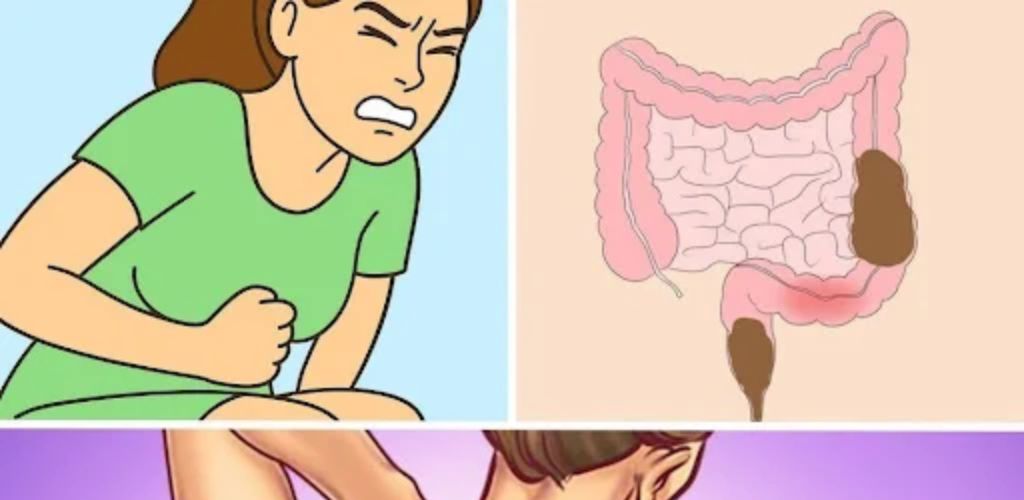
8. Change in Bowel Habits
- Diarrhea, constipation, or stool shape changes that last > a few days
- Blood in stool (bright red or dark)
🚽 Possible sign of colorectal cancer — don’t assume it’s hemorrhoids.
9. Difficulty Swallowing (Dysphagia)
- Feels like food “sticks” in throat or chest
- May be linked to esophageal or throat cancer
⚠️ Especially if worsening over time.
10. Persistent Cough or Hoarseness
- Cough lasting more than 3–4 weeks
- Hoarse voice without cold or allergies
🫁 Could signal lung, thyroid, or laryngeal cancer — especially in smokers.
11. Lumps or Thickening Anywhere in the Body
Common areas:
- Breast
- Testicle
- Neck
- Underarm
- Abdomen
✅ Check monthly — know what’s normal for you.
12. Unusual Bleeding or Discharge
| Symptom | Possible Concern |
|---|---|
| ✅ Blood in urine | Bladder or kidney cancer |
| ✅ Vaginal bleeding after menopause | Endometrial cancer |
| ✅ Blood in sputum (coughed-up mucus) | Lung cancer |
| ✅ Nipple discharge (bloody or clear) | Breast concerns |
🩸 Never ignore unexplained bleeding.
13. Indigestion or Trouble Eating
- Frequent heartburn
- Feeling full quickly
- Nausea or vomiting without cause
🍽️ Could be stomach or esophageal cancer — especially if persistent.
14. Nervous System Changes
- Headaches with vomiting or vision changes
- Seizures
- Dizziness or balance problems
🧠 These may point to brain tumors — require imaging.
15. Changes in Bladder Function
- Needing to urinate frequently
- Pain or burning during urination
- Inability to empty bladder fully
🫀 While often due to infection or prostate issues, it can also be a cancer sign.
✅ Who Should Be Screened — And When?
Prevention starts with regular screenings, even if you feel fine.
| Cancer Type | Recommended Screening |
|---|---|
| ✅ Colorectal | Colonoscopy starting at age 45 (earlier if family history) |
| ✅ Breast | Mammogram every 1–2 years starting at age 40–50 |
| ✅ Cervical | Pap smear + HPV test every 3–5 years (ages 21–65) |
| ✅ Lung | Annual low-dose CT scan for high-risk smokers (ages 50–80) |
| ✅ Prostate | PSA test + discussion with doctor (starting at 50, or earlier if high risk) |
| ✅ Skin | Annual full-body exam by a dermatologist |
🩺 Talk to your doctor about your personal risk factors.
❌ Debunking the Myths
| Myth | Truth |
|---|---|
| ❌ “Only smokers get cancer” | False — non-smokers get cancer too |
| ❌ “If I feel fine, I’m safe” | Dangerous myth — many cancers have no early symptoms |
| ❌ “Screenings cause cancer” | No — diagnostic tools like X-rays use minimal radiation |
| ❌ “Natural remedies can cure cancer” | Harmful falsehood — delay of proven treatment increases mortality |
✅ How to Reduce Your Risk
| Habit | Benefit |
|---|---|
| ✅ Don’t smoke or vape | #1 preventable cause of cancer |
| ✅ Limit alcohol | Even moderate drinking increases certain cancer risks |
| ✅ Eat more fruits & vegetables | Antioxidants support cell health |
| ✅ Stay physically active | Helps regulate hormones and immunity |
| ✅ Protect your skin | Wear sunscreen daily — prevent UV damage |
| ✅ Get vaccinated | HPV vaccine prevents cervical and other cancers |
🛡️ Prevention and early detection are your best defenses.
🚨 When to See a Doctor
Seek medical advice if:
- A symptom lasts more than 2–3 weeks
- Something feels different or “off”
- You have a family history of cancer
- You notice any of the 15 signs above
🩺 Trust your gut. Doctors would rather hear: “I came too early” than “I waited too long.”
Final Thoughts
You don’t need to live in fear of your own body.
But you should pay attention to its whispers — before they become screams.
So next time you’re brushing your teeth, going to the bathroom, or just feeling tired… pause.
Ask gently:
Is this normal? Or is it different?
Then act — calmly, bravely, and without shame.
Because real courage isn’t pretending everything’s fine. It’s having the strength to say:
“I want to be healthy.”
And that kind of awareness? It could save your life.