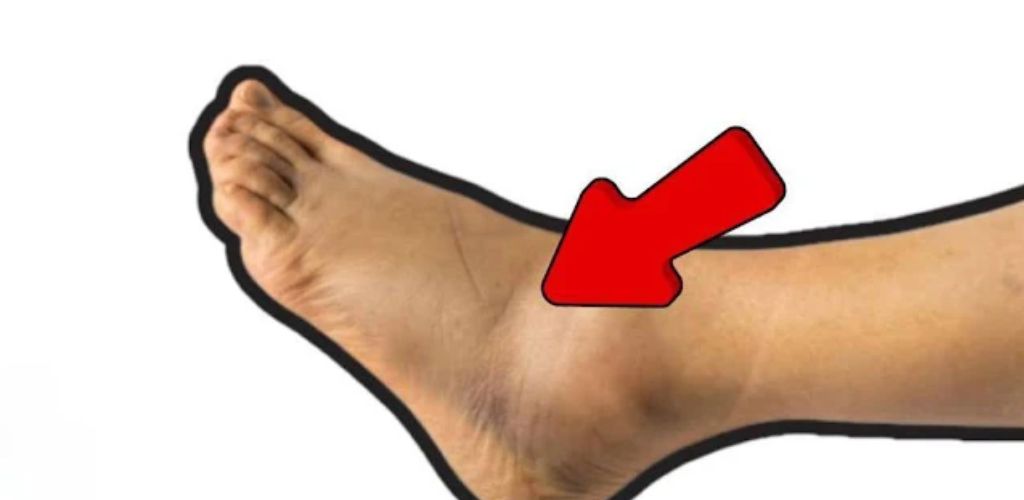
You come home after a long day.
Sit down. Take off your shoes…
And notice your ankles look puffy. Your socks have left deep grooves. Even your rings feel tighter.
This kind of swelling in the feet and legs — known as edema — affects millions. It’s not always serious, but it’s never nothing.
While fluid buildup can result from prolonged standing, heat, or hormonal shifts, it can also signal deeper imbalances — like poor circulation, kidney issues, or heart strain.
The good news? 👉 What you eat can help support healthy fluid balance — naturally.
Certain nutrients strengthen blood vessels, reduce inflammation, and support kidney function — all key players in keeping fluids where they belong.
Let’s explore the 5 best nutrients that may help reduce leg and foot swelling — so you can feel lighter, more comfortable, and back in rhythm with your body.
Because real relief isn’t about magic pills. It’s about nourishing what’s beneath the surface.
🔍 Why Do Legs and Feet Swell?
Edema happens when fluid leaks into tissues instead of staying in blood vessels.
Common causes include:
| ✅ Prolonged sitting or standing | Gravity pulls fluid downward; calf pump slows |
| ✅ High-sodium diet | Salt holds onto water → increases fluid retention |
| ✅ Hormonal changes | Especially during menstruation, pregnancy, or menopause |
| ✅ Medications | Blood pressure drugs, NSAIDs, hormones |
| ✅ Underlying conditions | Heart, liver, or kidney disease |
💡 Mild swelling? Often manageable with lifestyle changes.
❗ Persistent or one-sided swelling? See a doctor — could be a blood clot or organ issue.
✅ The 5 Best Nutrients to Support Healthy Fluid Balance
1. Potassium – Nature’s Counterbalance to Sodium
- Helps regulate fluid balance by working with sodium in the kidneys
- Low potassium = more water retention
Top Food Sources:
- Bananas
- Sweet potatoes
- Spinach
- Avocados
- White beans
📌 Tip: Aim for 3,400 mg/day (men) or 2,600 mg/day (women) from food — not supplements unless prescribed.
2. Magnesium – The Relaxation Mineral
- Supports muscle and nerve function
- May reduce water retention linked to PMS
- Helps relax blood vessel walls → improves circulation
Found In:
- Pumpkin seeds
- Almonds
- Dark leafy greens
- Black beans
- Dark chocolate (70%+)
🩺 Studies show magnesium supplementation can reduce bloating and leg swelling in women with premenstrual symptoms.
3. Omega-3 Fatty Acids – Anti-Inflammatory Powerhouses
- Reduce inflammation that contributes to vascular leakage
- Improve blood flow and vessel health
- May lower blood pressure — reducing strain on veins
Best Sources:
- Fatty fish (salmon, mackerel, sardines)
- Flaxseeds
- Chia seeds
- Walnuts
🐟 Recommendation: Eat fatty fish 2x per week — or consider a high-quality fish oil supplement if advised by your doctor.
4. Vitamin B6 (Pyridoxine) – Hormone & Fluid Regulator
- Plays a role in kidney function and hormone metabolism
- Clinical studies show it helps reduce water retention during menstrual cycles
Rich In:
- Chickpeas
- Tuna
- Chicken breast
- Bell peppers
- Sunflower seeds
💊 Typical dose in research: 50–100 mg/day (from food + supplement) — but always consult before taking high doses.
5. Bioflavonoids – Vascular Protectors
- Plant compounds that strengthen capillary walls and reduce leakiness
- Often paired with vitamin C for enhanced effect
- Rutin and hesperidin are two studied types
Where to Find Them:
- Citrus fruits (especially peel and white pith)
- Buckwheat
- Apples
- Green tea
- Berries
🧃 Pro Tip: Brew lemon peel in hot water for a rutin-rich tea.
✅ Lifestyle Habits That Boost Results
Nutrients work best when combined with smart habits:
| ✅ Move regularly | Walking activates the “calf pump” — pushes fluid upward |
| ✅ Elevate legs daily | Lie down and raise legs above heart level for 15–30 minutes |
| ✅ Stay hydrated | Dehydration signals the body to hold onto fluid |
| ✅ Wear compression socks | Great for travel, pregnancy, or jobs that keep you on your feet |
| ✅ Limit processed foods | They’re loaded with hidden salt and sugar |
🚰 Drink plenty of water — aim for pale yellow urine.
❌ Debunking the Myths
| ❌ “Detox teas flush out water weight” | Most are diuretics — temporary effect; can cause electrolyte imbalance |
| ❌ “Apple cider vinegar balances fluids” | No strong evidence — may irritate digestion |
| ❌ “Only older people get swollen legs” | False — young adults experience it too, especially during pregnancy or long flights |
| ❌ “More vitamins = faster results” | Dangerous myth — excessive intake can harm kidneys or liver |
🚨 When to See a Doctor
Swelling isn’t always dietary. Seek medical advice if you have:
- One leg significantly more swollen than the other
- Redness, warmth, or pain (possible DVT — blood clot)
- Shortness of breath (could indicate heart or lung issue)
- Pitting edema that doesn’t improve overnight
- History of heart, kidney, or liver disease
🩺 A simple ultrasound or blood test can rule out serious causes.
Final Thoughts
You don’t need to suffer through another heavy evening.
But you do deserve relief — gentle, natural, and lasting.
So next time you’re unwinding after a long day… don’t just sit.
Elevate. Hydrate. Nourish.
Because real wellness isn’t loud. It’s quiet. And sometimes, it starts with one potassium-rich banana — and one decision to care.
And that kind of balance? It carries you further than fatigue ever could.