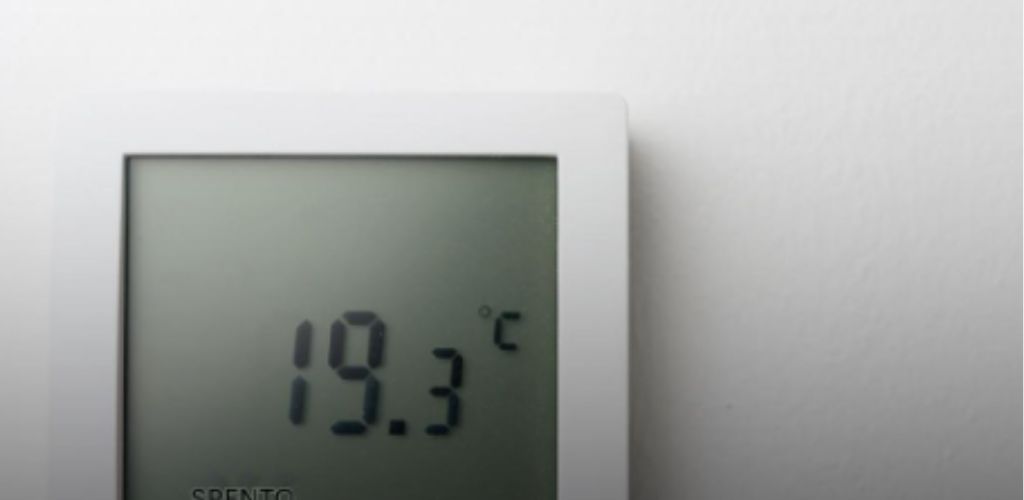
For years, heating to 19°C was presented as the absolute standard. But today this rule is being questioned by thermal comfort specialists.
Heating: The 19°C rule is obsolete; here’s the new recommended temperature
© Heating: The 19°C rule is obsolete; here’s the new recommended temperature
Heating is at the center of many questions, especially when bills skyrocket and comfort isn’t always guaranteed. Behind seemingly reasonable guidelines, the reality is much more nuanced and sometimes counterproductive.
Why the 19°C rule is no longer universally accepted.
The famous 19°C rule for heating didn’t emerge out of nowhere. It dates back to energy-saving policies implemented during the oil crises. At the time, the goal was simple: consume less, even if comfort took a back seat.
However, the context has changed profoundly. First, homes are no longer the same. Many families now live in better insulated, renovated, or newly built homes that meet more stringent thermal standards. Second, heating systems have evolved, becoming more precise, more adjustable, and often more efficient.
But above all, experts emphasize a crucial point: air temperature alone isn’t enough to define comfort. In fact, the human body also reacts to the temperature of walls, floors, and even humidity levels. Therefore, two homes displaying 19°C can offer completely opposite sensations.
In a well-insulated home, heat is distributed more evenly. Comfort remains stable and constant. Conversely, in an apartment with cold walls or old windows, the body constantly loses heat. The result: you feel cold, even though the thermostat is set to 19°C. This difference between actual and perceived temperatures explains much of the current discomfort.
It is precisely for this reason that many experts believe that the single 19°C rule no longer corresponds to modern heating practices.
Heating and Comfort: What Experts Are Really Analyzing
When discussing heating, experts no longer limit themselves to a simple number displayed on a thermostat. They take into account several essential parameters, often overlooked in previous recommendations.
Read: Living without heating for 3 years: 7 tips to avoid getting cold
First, indoor humidity plays a crucial role. Air that’s too humid makes you feel cold, even at a comfortable temperature. Conversely, air that’s too dry can cause breathing difficulties and lead to increased heating. That’s why a humidity level between 40% and 60% remains ideal.
Second, wall temperature directly affects comfort. Cold walls absorb body heat, which leads to increased heating to compensate. In this case, maintaining a temperature of 19°C can paradoxically lead to excessive consumption, as the system runs longer to maintain the set temperature.
Finally, experts emphasize the importance of adapting the heating to each room. A uniform temperature throughout the house is pointless. Heating needs vary depending on usage, time of day, and activity level. Heating a hallway the same way as a living room is unnecessary and often expensive.
Little by little, an idea is gaining ground: it’s better to heat intelligently than rigidly. And this is where a new recommendation comes in, more in line with current realities.
Here’s the temperature experts now recommend:
Contrary to what you might think, the new recommendation doesn’t involve significantly more intense heating. Heating experts now agree on a slightly higher, but more appropriate, temperature: around 20°C in living areas.
This temperature offers a more stable balance between thermal comfort and controlled energy consumption, especially in well-insulated homes. It also helps reduce the sensation of cold walls, which often causes discomfort.
In particular, the current recommendations are as follows:
Living areas such as the living room or dining room: around 20°C, for even, pleasant heat.
Bedrooms: Between 16 and 18°C, an ideal range to promote sleep and recovery.
Bathing: Maintain a temperature of 22°C during use to avoid thermal shock.
Corridors: It is not necessary to exceed 17°C, as the occupancy time is limited.
This approach doesn’t aim to increase energy consumption, but rather to better adapt heating to the home’s actual needs. By precisely adjusting temperatures, comfort is improved without significantly increasing energy bills.
How to heat better without spending more.
Adopting these new recommendations doesn’t automatically mean increasing your heating bills. On the contrary, several simple measures allow you to heat less, but more efficiently.
First and foremost, programming remains essential. A programmable thermostat or thermostatic radiator valves allow you to adjust the temperature based on the time of day. For example, lowering the temperature by 1-2°C at night is often enough to achieve significant savings without sacrificing comfort.
Read: Warm Home Without Heating: The Simple Finnish Trick That Really Works
Second, daily ventilation plays a fundamental role. Ventilating for five to ten minutes a day renews the air, limits excessive humidity, and improves the feeling of warmth. Healthy air heats more easily and costs less to maintain.
You should also consider reducing heat loss. Closing the blinds as soon as night falls, using thick curtains, or placing a rug on a cold floor helps retain heat. Checking window seals is also a simple and often very effective measure.
Finally, experts remind us of an often overlooked point: don’t turn off the heating completely. Turning on a completely cooled home consumes more energy than maintaining a slightly lower, stable temperature. Consistency, therefore, remains the key to efficient heating.
By applying these principles, it becomes possible to follow the new recommendations without going over budget and, above all, finding true thermal comfort every day.
Did you like this article? Share it!