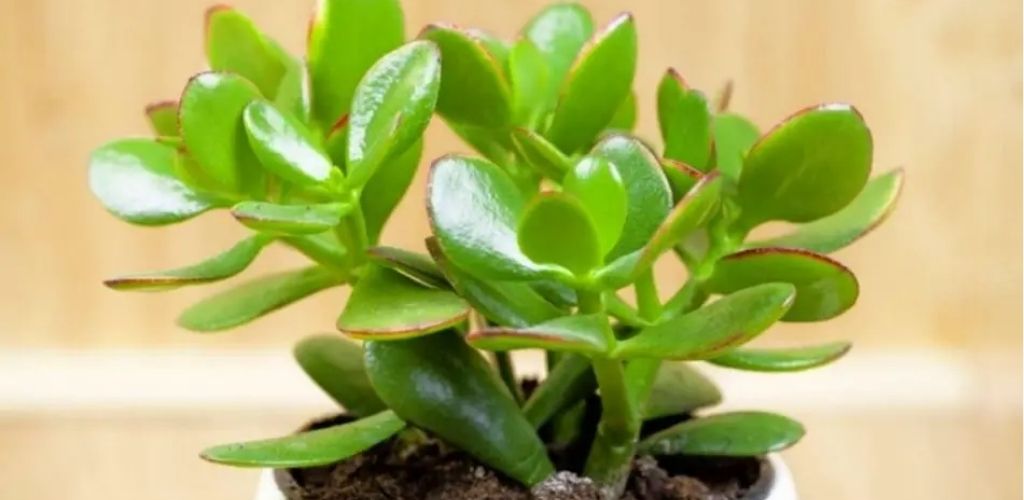
A succulent plant with magnificent evergreen foliage, the Jade Plant is distinguished by its round, thick leaves that resemble small coins. According to Chinese tradition, and particularly the discipline of Feng Shui, it is believed to bring luck, fortune, and prosperity to its owners. Highly decorative indoors, it is easy to grow. However, it still requires proper care to maintain its beauty and preserve its bushy appearance.
Native to South Africa, the Jade plant is very popular worldwide, even ranking among the most popular houseplants. Resembling a bonsai with its highly branched brown trunk, this plant adds a truly lush character to any balcony. Air-purifying and extremely hardy, this tree is undemanding and requires very little maintenance. However, if you want it to grow quickly, you’ll need to take proper care of it. Let’s find out together how to properly care for it to keep it healthy.
Transplant
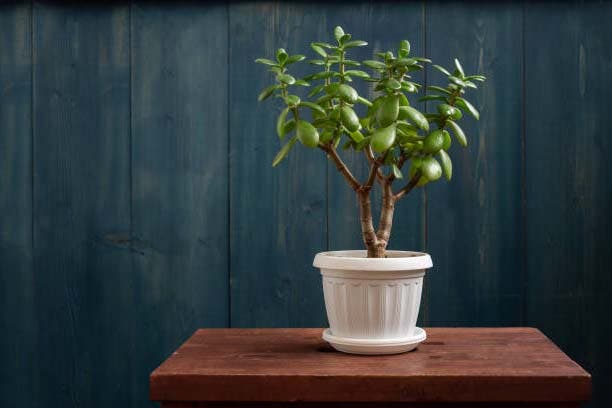
The jade tree develops according to a very simple mechanism: the more space it has, the more it spreads and grows.
This plant is sold in a very small pot. If you want to see it grow, repot it in a larger container, which will allow it to grow better and help its roots develop comfortably. Therefore, repotting is essential when the Jade plant becomes overcrowded. Remember to mix your potting soil with sand. And keep it in a sunny location.
The best time to transplant is undoubtedly the beginning of spring, when the plant is preparing to grow with the increase in temperatures.
When transplanting, always be careful not to damage the plant’s roots, otherwise they may take much longer to grow back.
Fertilization
Nothing beats a well-chosen fertilizer to help your Jade tree grow in the best conditions!
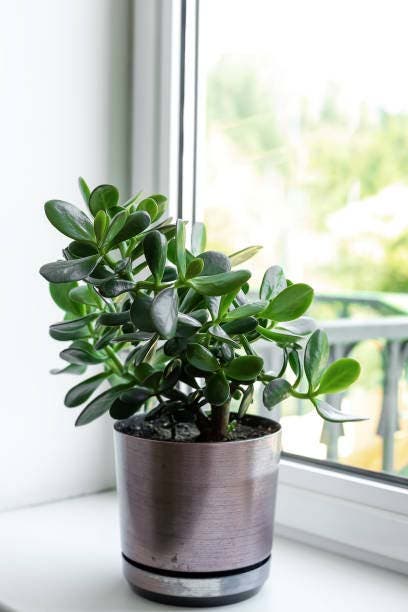
But what is the most suitable fertilizer for this plant? As it is a succulent plant, it is necessary to use fertilizers specifically formulated for this species, and therefore well-balanced in nitrogen, phosphorus, and potassium.
If the fertilizer is liquid, never apply it to completely dry soil. In general, always follow the product packaging instructions regarding quantities.
You can also fertilize the plant with a natural organic fertilizer, such as coffee grounds. Thanks to its slightly acidic pH, simply crumble it and scatter it on the soil to release a high concentration of nitrogen over time. As an added benefit, it’s a perfect repellent against parasites and pests, such as snails and slugs.
This method is very easy to use and you can even apply it to other plants in the garden.
Warning: However, it is important not to overuse coffee grounds, as this could alter the pH of the soil.
the correct location
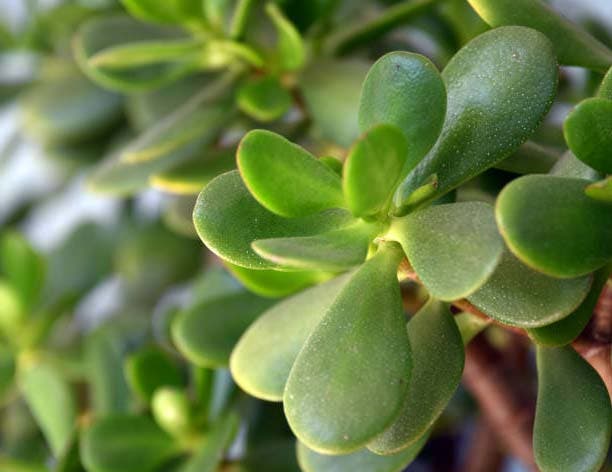
Keeping a jade plant on the balcony seems ideal for encouraging it to grow thick and bushy. But be careful with excessive sun exposure: avoid overly intense rays that can burn the leaves and turn them yellow.
In winter, the plant tends to grow more slowly; ideally, it should be brought indoors, especially if temperatures are too low or even below 10°C on the balcony.
Caution: If your jade tree appears to be in pain, always ask your florist or gardener for help.
make cuttings
If your jade tree grows too slowly, you can create a shrub by growing cuttings in the same pot.
Take cuttings by cutting a stem with healthy leaves using well-sterilized scissors. Then place them in the potting soil of the same pot at a distance of at least 4-5 cm to prevent the roots from becoming entangled and smothering each other.
NB : Before burying the cuttings, it is helpful to soak the cut part in a rooting product to accelerate the appearance of new roots.