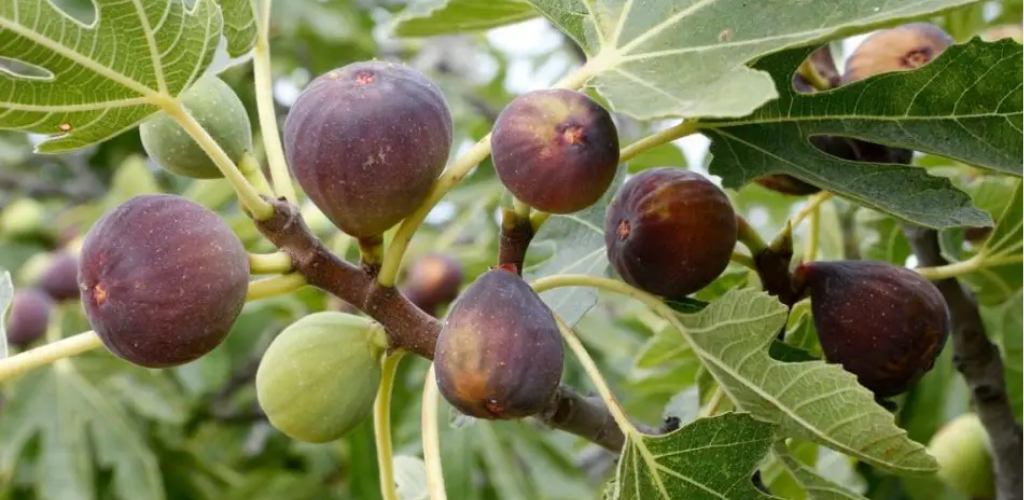
Do you have a fig tree in your garden or are you passionate about horticulture? Then don’t miss this article that will give you all the keys to successfully pruning your favorite fruit tree!
With its lush foliage and tasty figs, the fig tree is a popular fruit tree, but to ensure a good harvest and optimal health for your fig tree, it is essential to know how to prune it correctly.
In this article you will discover the techniques and tips for successfully pruning your fig tree in spring, so you can enjoy an abundance of delicious fruit.
Why prune the fig tree?
Pruning fig trees has several benefits that contribute to the health of the tree and the quality of the harvest.
READ: A practical guide to successfully pruning your olive tree
First, pruning limits the height of the tree to facilitate fruit harvesting. Then, it promotes the production of new shoots and thus increases yield.
Finally, pruning helps to balance the branches and prevent them from becoming entangled, which facilitates air circulation and light penetration, thus limiting the development of diseases.
When is the best time to do it?
As for the ideal time to prune the fig tree, it is recommended to do it in spring , generally between March and April, when temperatures are milder and the risk of frost has passed.
This period also coincides with the end of the tree’s dormancy and the beginning of bud growth.
The tools needed to prune the fig tree
To properly prune your fig tree, you will need some essential gardening tools to make clean and precise cuts.
Here is the list of tools to prepare:
- Pruning shears : for cutting small branches and twigs.
- Pruner : for pruning thicker branches, up to about 5 cm in diameter.
- Pruning saw : for cutting larger branches, or those located at a certain height.
- Telescopic pole : If your fig tree is particularly tall, this tool will allow you to reach the highest branches without having to climb a ladder.
- Gardening gloves : to protect your hands from cuts and abrasions.
Also, make sure your tools are clean and sharp to avoid damaging the tree and to help heal pruning wounds.
The basic principles for pruning a fig tree
Before starting to prune, it is important to know the basic principles for pruning the fig tree effectively and respecting its growth.
Here are the key points to consider:
- Tree training: The fig tree is a leafy tree, with branches that often grow from the ground. The aim of pruning is to maintain this natural shape while keeping the interior of the tree clear to facilitate air circulation and access to light.
- Fruiting: The fig tree produces fruit on the previous year’s branches, called “two-year-old wood.” Therefore, it is important to preserve these branches during pruning to avoid compromising the harvest.
- Light pruning: Unlike other fruit trees, the fig tree does not require severe pruning. It is more a matter of maintenance pruning, cutting away dead, diseased, or overly large branches, and slightly shortening branches to encourage fruit production.
Steps for pruning a fig tree in spring
Once you know the basics, all you have to do is start pruning your fig tree.
These are the steps to follow:
- Observe and plan: Before you start pruning, take the time to observe your fig tree and identify the branches that need to be removed or shortened. This step will allow you to anticipate the cuts and avoid mistakes.
- Remove unwanted branches: Begin by removing dead, diseased, broken, or overgrown branches, making sure to cut at the base of the branch or at the level of a healthy branch. Don’t hesitate to also remove suckers and shoots growing at the base of the tree, as they consume energy unnecessarily and hinder fruiting.
- Shorten the shoots: To stimulate fruit production, cut the previous year’s shoots back to about 5-10 cm from their base, leaving 2 to 3 buds. This promotes the development of fruit buds and increases yield.
- Balance the branches: Finally, make sure to distribute the branches evenly around the trunk, cutting back any that cross or are too close together. The goal is to promote air circulation and light penetration, limit the development of diseases, and encourage fruit ripening.
If you already have a healthy, well-formed fig tree, you can manage with light and occasional pruning to maintain the tree and preserve its balance.
Conversely, if your fig tree is young or poorly formed, don’t hesitate to intervene more significantly to give it a good structure and improve its fruiting.
By following these tips and pruning your fig tree carefully and thoughtfully in spring, you’ll actively contribute to its healthy growth and the quality of your harvest. So, grab your pruning shears and happy gardening!