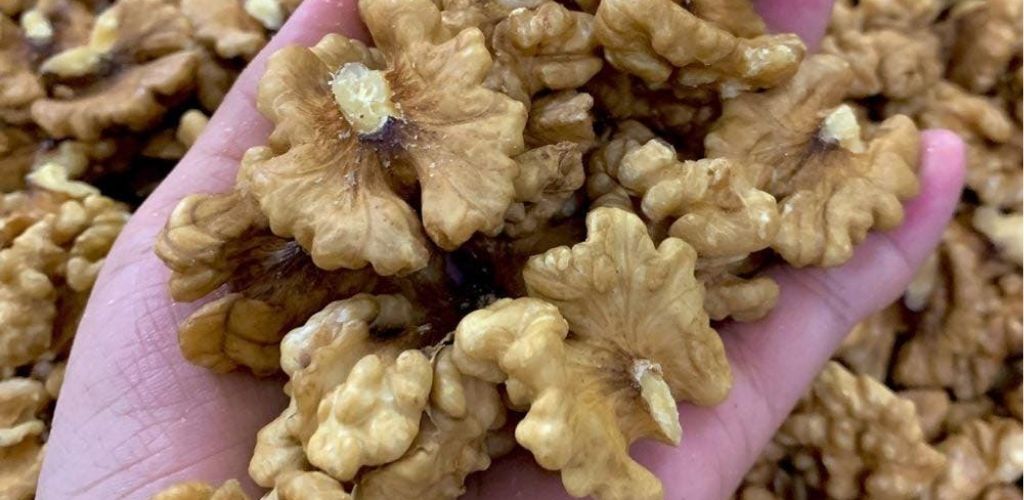
Nuts are widely praised as one of the healthiest snack options available. They are rich in healthy fats, protein, fiber, vitamins, and minerals. But a common question often arises: should you avoid eating nuts at night?
Some people worry that nuts are too calorie-dense before bed, while others believe they may disrupt digestion or sleep. Let’s separate myths from facts and look at what science and nutrition experts actually say.
Why People Think Nuts Are Bad at Night
The concern around eating nuts in the evening usually comes from three main beliefs:
1. They Are High in Calories
Nuts are energy-dense. A small handful can contain 150–200 calories, which leads many to assume they automatically cause weight gain if eaten late.
2. They Contain Fat
Because nuts are rich in fats, some people think they are harder to digest at night and may slow metabolism while sleeping.
3. Fear of Weight Gain
There is a long-standing myth that eating after a certain hour leads directly to fat storage. Nuts often get unfairly caught in this misconception.
The Nutritional Truth About Nuts
While nuts are calorie-dense, they are not empty calories. They provide:
- Healthy unsaturated fats
- Plant-based protein
- Fiber that supports digestion
- Magnesium, which helps relax muscles
- Tryptophan, an amino acid involved in sleep regulation
In fact, multiple studies show that people who eat nuts regularly tend to have better weight control, not worse.
Can Nuts Actually Help You Sleep?
Yes — certain nuts may even support better sleep quality.
Nuts That Are Especially Good at Night
- Almonds – High in magnesium, which helps calm the nervous system
- Walnuts – Contain melatonin, the hormone that regulates sleep cycles
- Pistachios – Naturally rich in melatonin
- Cashews – Provide magnesium and zinc, both linked to improved sleep
A small portion of nuts in the evening can help prevent nighttime hunger and stabilize blood sugar levels overnight.
When Nuts at Night Might Be a Problem
Although nuts are healthy, there are situations where caution makes sense:
- Large portions can cause bloating or discomfort
- Salted or flavored nuts may increase thirst or water retention
- Sensitive digestion may react poorly to fats before bed
- Nut allergies or intolerances obviously require avoidance
The key issue is not the time of day — it’s quantity and type.
How Much Is Safe to Eat at Night?
Nutritionists generally recommend:
- A small handful (20–30 g)
- Prefer raw or dry-roasted, unsalted nuts
- Eat them 1–2 hours before bed, not immediately before lying down
This amount provides benefits without overloading digestion or calories.
Nuts vs. Other Nighttime Snacks
Compared to common evening snacks like cookies, chips, or sugary desserts, nuts are a far superior option. They do not spike blood sugar, they keep you fuller longer, and they deliver essential nutrients rather than empty carbs.
Final Verdict: Should You Avoid Nuts at Night?
No — you do not need to avoid nuts at night.
When eaten in moderation, nuts can be a healthy, satisfying evening snack that may even support better sleep. The problem is not when you eat nuts, but how many and which kind you choose.
If you enjoy nuts and they don’t cause discomfort, there is no nutritional reason to cut them out of your evenings.
Engagement question:
Do you usually snack at night — and what’s your favorite healthy option?