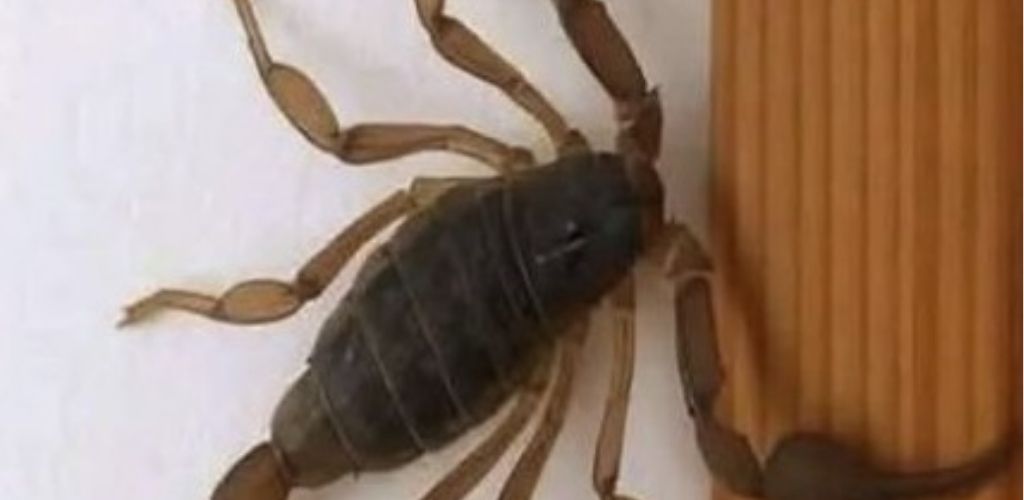
Have you found a scorpion in your house and, for a second, your blood froze? It’s the reaction that almost everyone has: fear , then the question that haunts you: why did it end up here? Especially when the home seems “normal” and its visit seems like a message that doesn’t fit into your routine.
In many communities, the presence of scorpions is interpreted as a sign that something is “wrong” around you: tensions, oppressive energies, problems gathering in the family. But between the symbol and the reality there is an area where, most of the time, the explanation that really matters is hidden.
Important: if you encounter one, don’t rush into risky moves. Keep your distance , check where it’s hiding, and watch out for children and pets. Although there are venomous species, in many cases, the ones that end up in homes aren’t usually fatal — but they can cause painful stings and panic, and that’s enough to make you want to prevent a repeat of the episode.
Why do they appear in the house: between myth and a practical signal
Scorpions are highly adapted predators that have been around for a very long time. In nature, their role is clear: they keep insect and other arthropod populations under control. The problem starts when they change their “hunting grounds” and enter your space, where every corner becomes a potential hiding place.
The detail that many ignore: the scorpion doesn’t enter the house to “look for you,” but because it finds something it likes. And that “something” can be much more mundane than any mysterious interpretation.
Indoors, it is attracted to areas where it can stay unseen: dark spaces, boxes, rarely moved cabinets, forgotten corners. If you see it once, there is a chance that it has gone unnoticed for a long time or that there are conditions that made it easy for it to enter.
Prevention and Natural Rejection: Game-Changing Steps
In practice, prevention starts with something simple and boring, but effective: order and cleanliness . Regularly vacuum the edge areas (baseboards, corners, spaces behind furniture), because that’s where dust, debris and… potential food for the insects that scorpions chase collect.
Step 2: Seal the entrances . Carefully check for cracks, crevices, holes around pipes, sills or joints. A simple solution (caulk, silicone) can make the difference between “an occurrence” and “a recurring problem.”
Control humidity in sensitive areas (basement, bathroom, closet). If you have spaces that remain damp and dark, they become a permanent invitation. A dehumidifier or better ventilation can significantly reduce the attractiveness of the place.
Outside, the yard can be a “launch pad.” Tall grass, wood piles, rocks stacked against the wall, and vegetation clinging to the house create ideal shelters. Keep the area around your home neat and airy.
For natural solutions, some people use boric acid in traps (for example, combined with sugar and placed in strategic areas), citronella oil diluted in water and sprayed at key points, or aromatic herbs like lavender and rosemary, valued for their strong scent that can deter pests.
The golden rule: the fewer hiding places and less “indirect food” the house offers, the lower the chances of repeat visits.
When you put all the clues together, the main explanation becomes concrete: scorpions end up in homes because they are attracted to dark, damp places and clutter (pile of clothes, boxes, cluttered garage, uncleaned corners), and real prevention means constant cleaning, sealing cracks, reducing humidity, and eliminating shelters around the house.