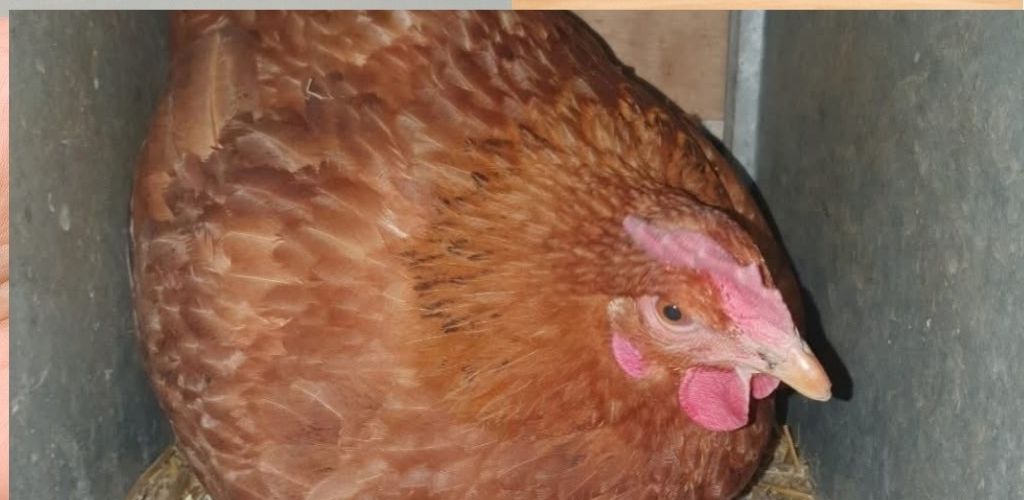
Dutch people advised not to eat homemade eggs due to PFAS contamination. Serious warning from health authorities
Dutch residents are being warned by health authorities to avoid eating eggs from free-range hens after laboratory tests found alarming levels of PFAS – a class of dangerous chemicals – in farm-raised eggs.
According to the National Institute for Public Health and the Environment (RIVM) in the Netherlands, eggs produced in your own backyard could contain significant concentrations of toxic compounds, which pose serious health risks. The RIVM, the institution responsible for monitoring public health and advising the Dutch government, pointed out that these eggs may contribute to additional exposure to PFAS, in a context where the population is already exposed through other sources, such as processed food and drinking water.
PFAS – short for “per- and polyfluoroalkyl substances” – are synthetic compounds widely used in industry, especially in the production of food packaging, waterproof textiles and fire-fighting foam. These substances are also nicknamed “forever chemicals” because they are extremely difficult to break down in nature and accumulate in living organisms. Research has linked them to negative health effects, including hormonal dysfunction, immune system problems and an increased risk of cancer.
RIVM investigations in 60 locations in the Netherlands have found that eggs from free-range hens frequently contain levels of PFAS that exceed safe limits. One possible explanation, experts say, is that hens eat earthworms from contaminated soil, which can accumulate PFAS and then pass them on to the eggs they produce.
“The Dutch population is already exposed to PFAS from multiple sources. Consuming eggs from your own household can add additional, avoidable exposure,” RIVM warns in a statement sent to international media.
On the other hand, commercially available eggs – whether from supermarkets or authorized markets – are considered safe for consumption, as they come from monitored producers who comply with food safety standards imposed by European Union legislation.
This situation brings the debate on the use and regulation of PFAS in Europe back to the forefront, highlighting the urgent need for measures to reduce the presence of these substances in the environment and the food chain. The authorities also encourage citizens to obtain accurate information from official sources and follow the recommendations of health institutions to protect their long-term health.