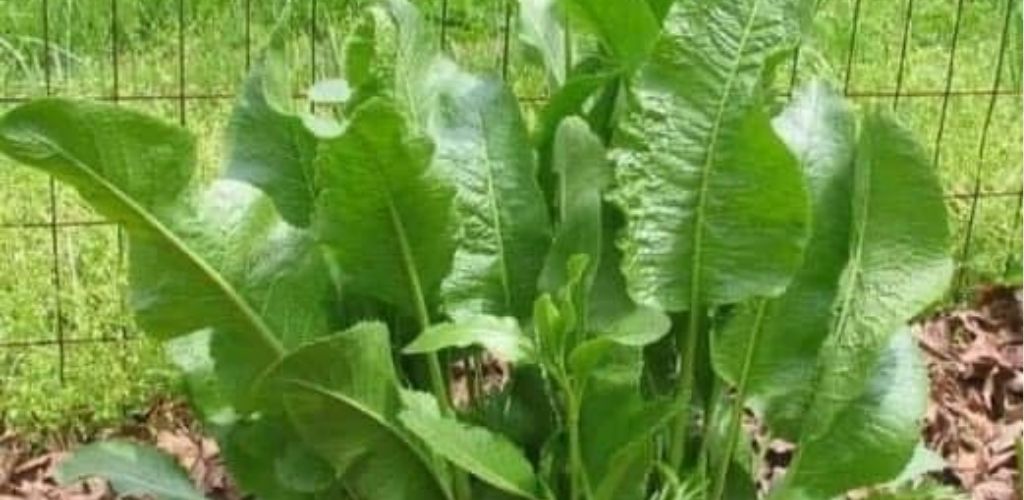
Horseradish is a root vegetable, part of the cruciferous family, which includes cabbage, cauliflower, turnips, kale, mustard, rapeseed, shepherd’s purse, and wasabi.
Horseradish is a perennial plant. Originally, horseradish comes from the Mediterranean area, but it has been cultivated throughout Europe since the Renaissance, both for its natural properties and for use in the culinary industry.
Horseradish is a spice appreciated for its appetite-stimulating properties and for the spicy and aromatic taste it imparts to culinary preparations.
It is said that horseradish was consumed by the Egyptians as early as 3,500 years ago, and the Greeks paid merchants and healers who possessed horseradish with gold.
Properties of horseradish leaves
Horseradish leaves contain:
65 kcal
39% – carbohydrates
20% – fats
proteins
volatile amino acids
vitamin B, vitamin C, E and PP
organic substances with acidic properties
potassium
calcium
sulfur
magnesium
selenium
Benefits of horseradish
Natural antibiotic
Horseradish has been used since ancient times as a natural antibiotic, with the property of fighting bacteria. The leaves also have anti-inflammatory properties, being used as dressings to stop suppuration.
Improves gum disease
Horseradish leaf tincture has the ability to relieve toothache, being an ingredient often included in Japanese toothpaste.
Cleanses the body of toxins
Horseradish leaf tincture is also used to help eliminate toxins from the body, while also stopping the deposition of salts in the body.
Improves appetite
Horseradish leaves stimulate digestion, through their ability to increase the production of gastric juice and digestive enzymes.
Soothes foot pain
Horseradish leaves have been used since the Middle Ages for foot pain. To combat these conditions, people would make foot baths using horseradish leaf tea.
The tea is very easy to make, using fresh horseradish leaves that are boiled in water for 20 minutes. Then, soak your feet in the tea for half an hour. The horseradish leaves will stimulate circulation and detoxify the body.
Natural expectorant
Horseradish leaves neutralize inflammation of the respiratory tract, being a natural expectorant. Thus, horseradish leaves can be used against coughs and colds, especially in combination with honey. It also helps reduce fever.