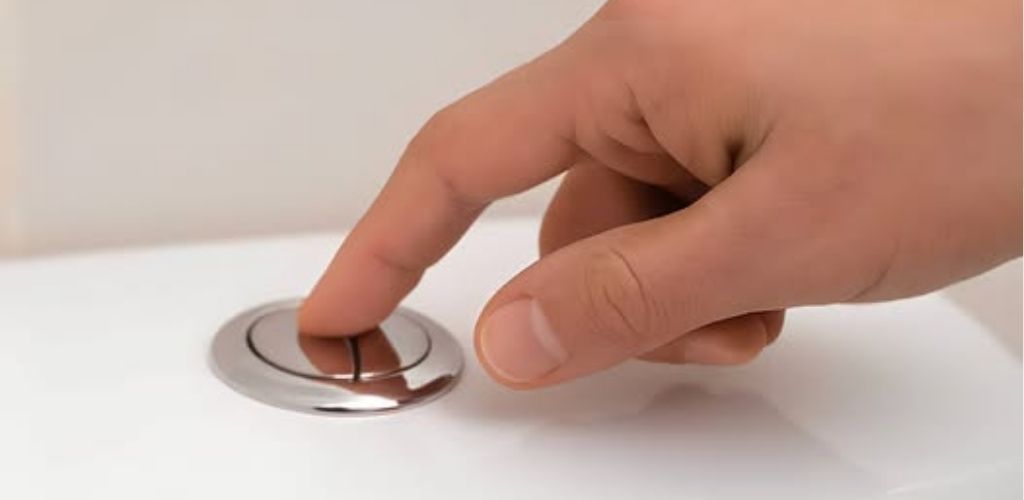
A gesture so common, almost automatic, that we rarely question it: flushing the toilet. However, simply urinating does not necessarily require this reflex. What if this seemingly trivial daily action led, without us realizing it, to a significant waste of water? It’s a surprising question, but one worth asking. What you’re about to learn might make you change your routine…
Drinking water: a valuable resource that we waste without thinking
Every time you flush, between 3 and 9 liters of drinking water go straight down the drain. Perfectly clean, treated, precious water – used only to rinse a few centiliters of urine. It’s like using a glass of expensive mineral water to rinse a paintbrush.
This daily waste often goes unnoticed. However, for an average family that goes to the toilet around ten times a day, up to 100 liters of water are wasted every day – that’s over 36,000 liters per year. By comparison, in some countries, access to drinking water is not guaranteed even once a day.
The “if it’s yellow, wait” trick – a simple but effective habit
A common sense rule has been adopted in many eco-friendly homes:
“If it’s yellow, we wait; if it’s brown, we turn on the water.”
In other words, flush only when you really need to—not every time you pee. Urine is naturally sterile and poses no immediate health risk, as long as the toilet is cleaned regularly.
Less flushing, but no less hygiene
Not flushing after every urination does not mean you live in a dirty environment. The key is to maintain constant hygiene – clean the toilet bowl and flush it every two to three days, or even daily if it is used frequently.
Extra tip: Add a few drops of essential oil (lemon, eucalyptus, lavender) to a diffuser or small container next to the toilet to neutralize odors naturally.
A solution within everyone’s reach
You don’t need complicated work or special equipment. All you have to do is adjust your habits. Keep the water jet for solid waste or in case of unpleasant odors.
In the future, you can install a dual-flush toilet (found in most modern homes) or opt for ultra-economical models that use less than 3 liters per flush.
Respect the rules of etiquette!
If you live with friends or are in a public space, adopt a discreet and respectful attitude. Not all families agree with this custom, so be aware of the rules of the house you are in.
In short – why should you think about it?
- Each flush = between 3 and 9 liters of wasted drinking water
- Urine is not a pollutant, so it does not pose an immediate risk if the toilet is clean.
- Big water savings without effort or cost
- Alternatives: dual-tank toilets, dry toilets, essential oils for scent
A small gesture that can have a big impact. Maybe it’s time to rethink the reflex of flushing every time.
This work is inspired by real events and people, but has been fictionalized for creative purposes. Names, characters, and details have been changed to protect privacy and enhance the narrative. Any resemblance to real people, living or dead, or to real events is purely coincidental and not intended by the author.
The author and publisher assume no responsibility for the accuracy of the events or the portrayal of the characters, and are not liable for any misinterpretations. This story is provided “as is” and any opinions expressed are those of the characters and do not reflect the views of the author or publisher.