The return of old sewing tricks
Sewing has been around for hundreds of years, from simple needles and thread to sophisticated machines. But along with new technologies, old, time-tested techniques are being lost. Today, more and more needlewomen are returning to traditional techniques that make work faster and more accurate.
One of them is waxing the thread with beeswax . Run the thread over a small piece of wax before sewing, and you’ll forget about tangles. The wax protects the fibers, strengthens the seam, and makes the stitches smoother. This simple step results in a finish similar to machine stitching.
5 Sewing Secrets of Our Grandmothers
1. Dry soap instead of chalk.
Don’t have tailor’s chalk on hand? Use a bar of dry soap. It leaves a clear mark that washes off easily and doesn’t stain.
2. Secure the seams with a backstitch.
To prevent the stitching from unraveling, backstitch the last few centimeters. This “lock” will add strength to any fabric.
3. Pin diagonally.
Angled pins prevent the fabric from slipping and produce a straighter seam. They also make it easier to remove as you sew.
4. A secure knot in a second.
Wrap the thread around the needle several times and pull through – you’ll create a neat knot that won’t untie even after washing.
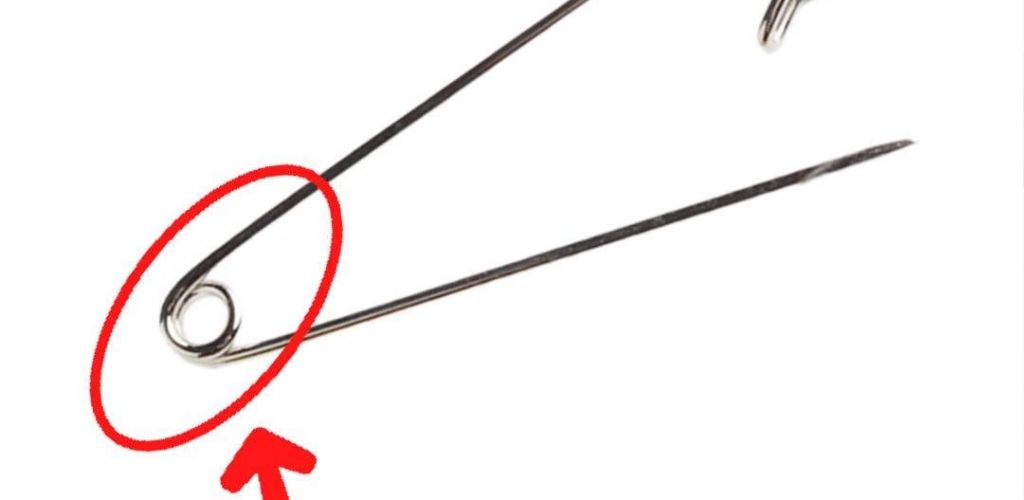
5. The small hole in a safety pin isn’t just a decoration.
This tiny detail is a real helper : thread a thin cord or elastic through it to pull a ribbon through the drawstring of pants or a skirt. The pin won’t get lost inside the fabric, and you can easily pull the elastic through to the end. A simple, yet ingenious solution.
Why Old Methods Work Better
Sometimes traditional techniques prove to be the most reliable. They save time, make seams stronger, and bring back the joy of the process itself. After all, sewing isn’t just about precision, it’s also about the mood.
Grab a needle and thread and try these tips. You might just realize that all genius really is simple.