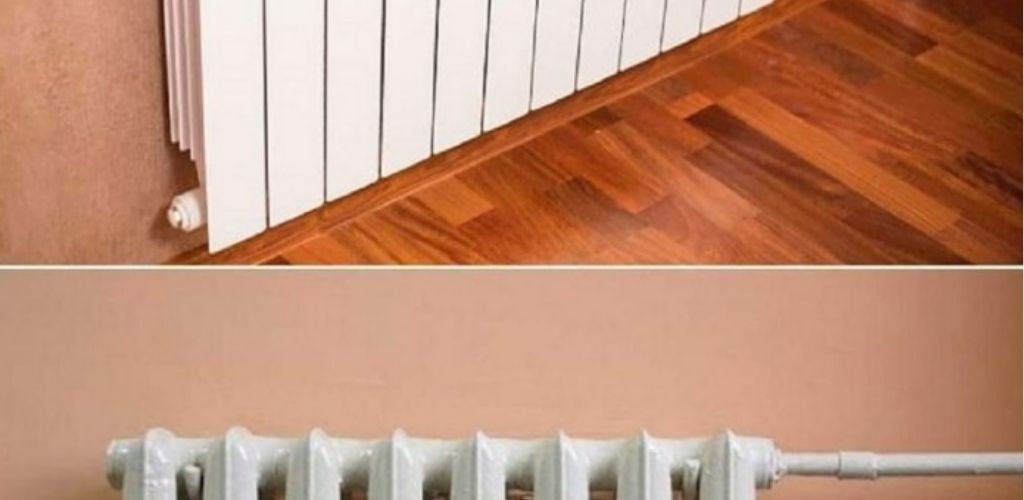
The debate about which radiators for heating are better – cast iron or bimetallic – has remained relevant for many years.
There are numerous arguments for and against both systems, but in my case, the dispute was resolved by a heating engineer with 20 years of experience.
His professionalism is confirmed by his impeccable reputation and a 10-year guarantee on the work performed.
This person knows his job and works with passion.
In this article, we will not discuss the appearance of radiators, since this is a matter of taste, but will focus on their design features, characteristics, and advantages.
Bimetallic radiators: modern technologies in action
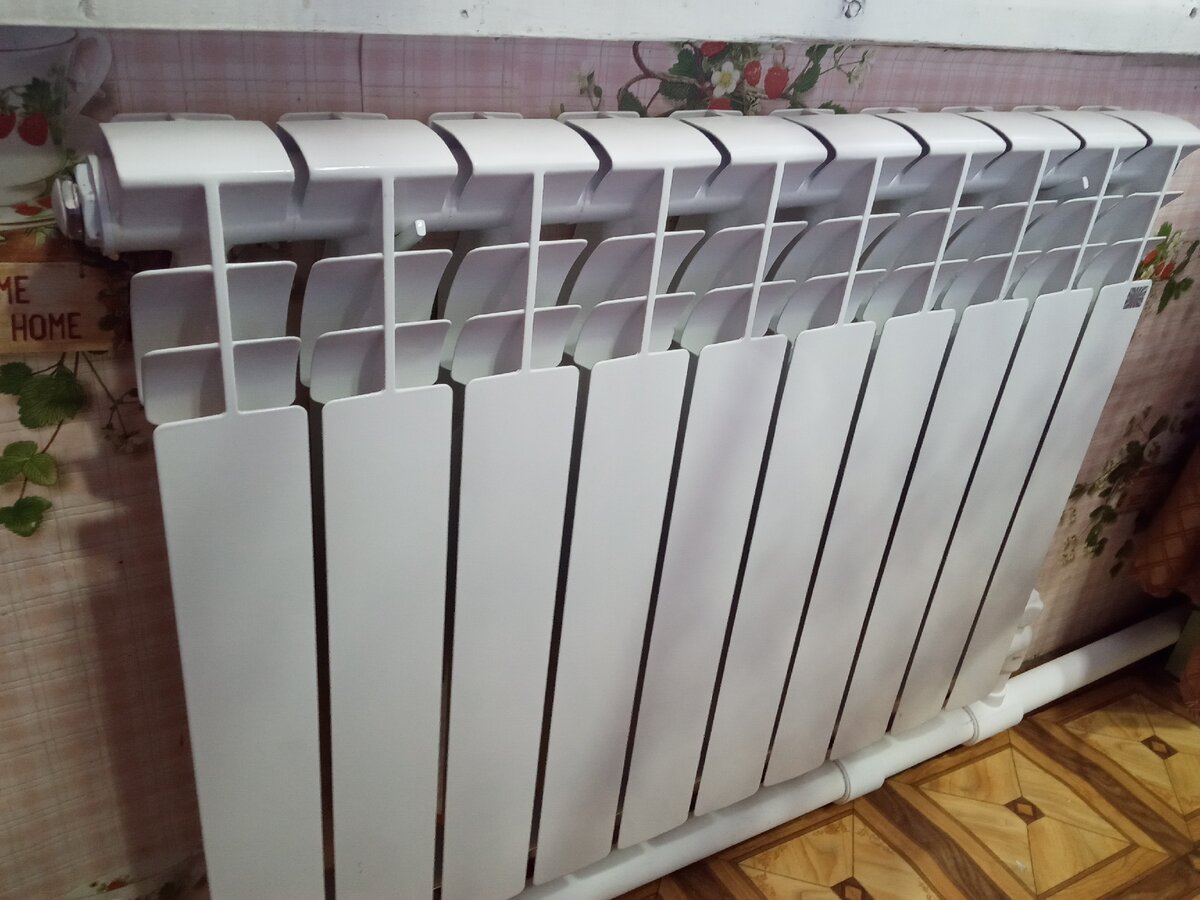
Design and features
Bimetallic radiators have an aluminum body with a ribbed surface, which provides good heat transfer. Inside the aluminum is a strong metal core, through which the coolant circulates. Such radiators are both solid and sectional, which allows you to add or remove sections as needed.
Key benefits
- Efficient heat transfer : one sectional element provides 160-180 W of heat. Radiators heat up quickly, which significantly reduces the time it takes to warm up a room.
- Pressure resistance : able to withstand pressure from 20 to 50 atmospheres, which makes them virtually invulnerable to water hammer.
- High coolant temperature : operate at temperatures up to 130 °C.
- Resistance to coolant contamination : the internal structure withstands low-quality water.
- Ease of installation : due to their low weight, radiators are easy to install even on fragile walls, such as plasterboard.
Disadvantages
- Radiators cool down quickly after turning off the heating.
- The average service life is 15-20 years.
Cast iron radiators: a classic, time-tested
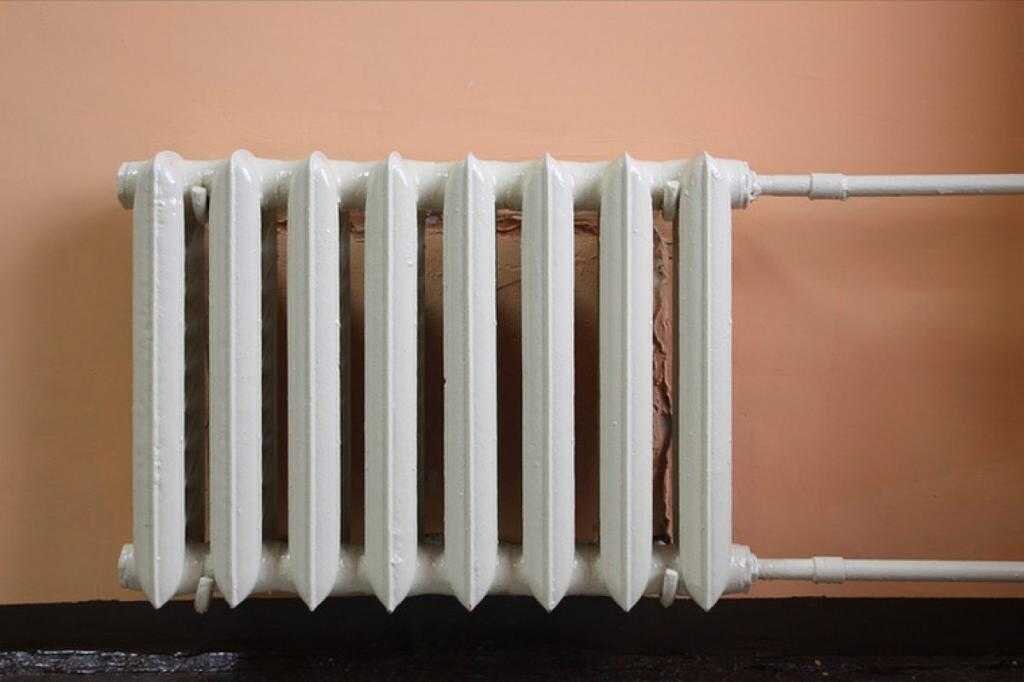
Design and features
Cast iron radiators have been known for many decades. Today they are produced in both classic designs and more modern, aesthetic forms. Like bimetallic ones, they have a sectional design, which is convenient for adjusting their size.
Advantages
- Durability : the service life of such radiators can reach 40-100 years with proper care.
- Heat capacity : cast iron takes a long time to heat up, but also cools slowly, retaining heat even after the heating is turned off.
- Resistance to coolant quality : not afraid of contaminated or aggressive water.
Disadvantages
- Heat output is 100-160 W per section, which is less than that of bimetal.
- Cast iron can withstand pressure of only 9-12 atmospheres, which makes it less resistant to water hammer.
- Radiators are heavy, which makes their installation difficult. Installation requires reliable fastening.
What to choose?
If we compare both types of radiators, bimetallic ones win in terms of efficiency, ease of installation, and resistance to high pressures. However, cast iron batteries are distinguished by exceptional durability and the ability to retain heat even when the heating is turned off.
If you already have cast iron radiators installed, don’t rush into replacing them