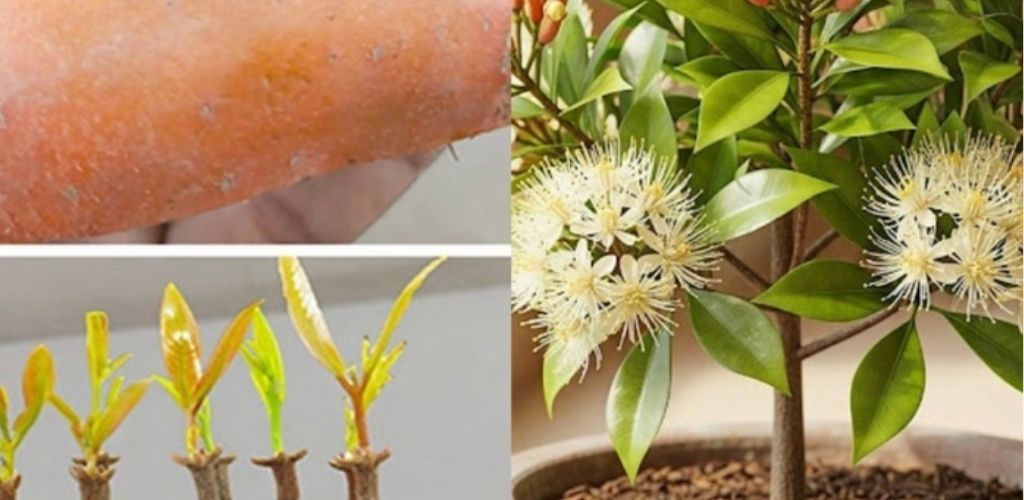
Do you like the enchanting aroma of cloves in baking or mulled wine?
Imagine being able to grow it in your own garden!
Although this spice originates from Indonesia and evokes associations with tropical landscapes, simple tips
will allow you to grow it at home with a little patience, and you are guaranteed to enjoy it.
Origin of cloves
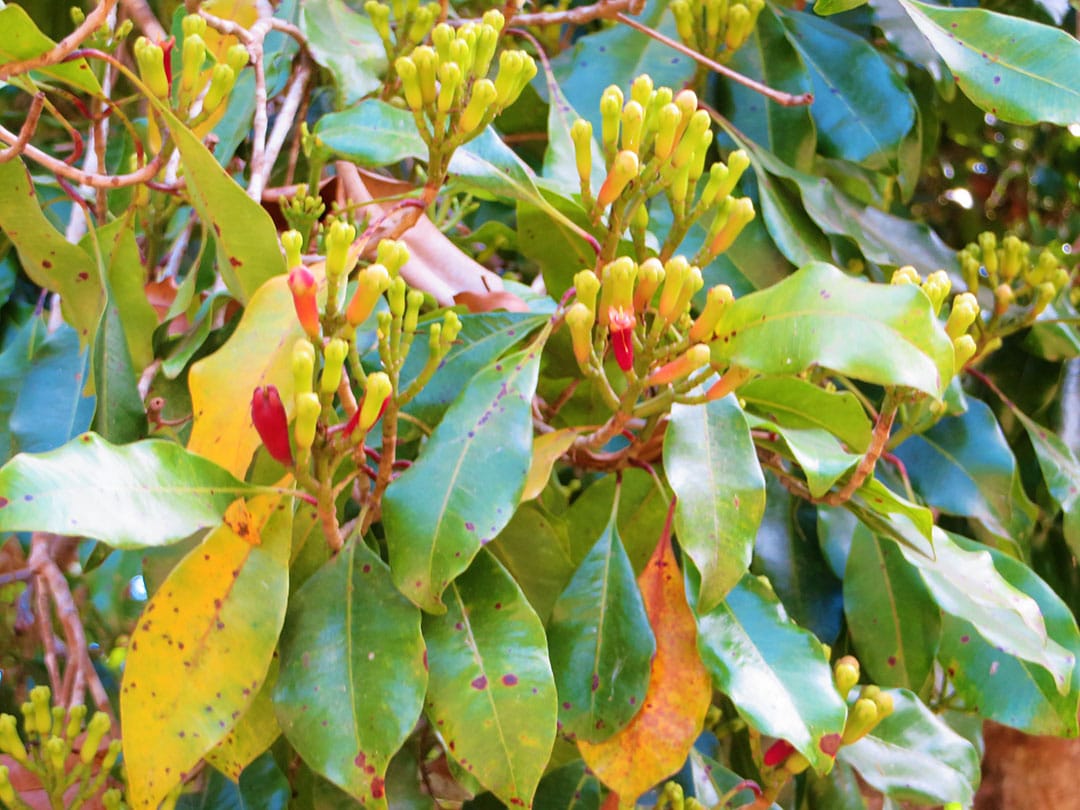
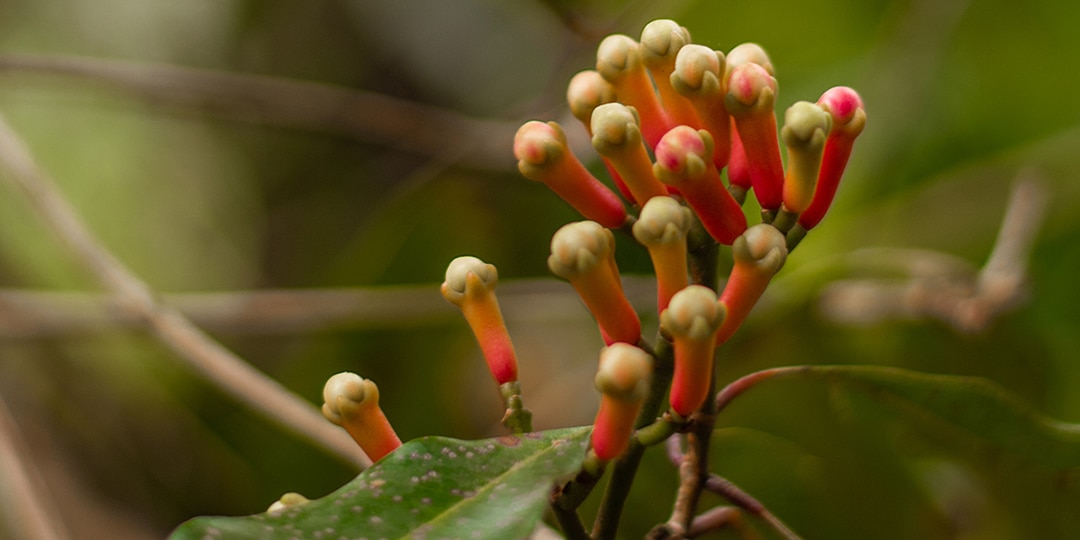
Before we delve into growing cloves, let’s take a look at their botanical roots. This well-known scent actually comes from the dried flower buds of the clove tree, an evergreen plant native to the Moluccas in Indonesia. These flower buds, harvested before they bloom, become an intense spice that is enjoyed in many winter dishes, drinks, and desserts.
Although the clove tree is traditionally associated with tropical climates, it can now be grown at home, provided that an environment similar to its natural habitat is recreated.
How to recreate the appropriate environment
The carnation tree is a delicate plant that thrives in warm, humid conditions. To encourage its growth, follow these valuable tips:
- Temperature : Prefers a mild and constant climate, between 20°C and 30°C. Cold is harmful to it, so if you live in a temperate region, grow it indoors or in a greenhouse.
- Lighting : Choose soft or indirect light at first; young plants are sensitive to direct sunlight. As they grow, they will become accustomed to more light.
- Humidity : Carnation trees like moist air. If your home has dry air, consider using a mister or placing a tray of water near the pot.
- Soil : Choose a deep, light soil that is rich in organic matter and slightly acidic (pH 5.5 to 6.5). A mixture of potting soil, coconut fiber and fine sand is ideal.
Choosing the right seeds and avoiding common mistakes
Note: Commercially available dried cloves will not germinate. To grow them successfully, you will need fresh seeds directly from the fruit of the clove tree.
You have two options:
- Buy seeds from a supplier that specializes in tropical plants.
- Or, if you are lucky, collect fresh fruits from an existing clove tree and use them quickly, as their germination capacity is limited in time.
Steps for germinating seeds
- Prepare the seeds : Carefully remove the pulp and soak it in room temperature water for 24 hours.
- Choose the right substrate : a mixture of light potting soil, perlite and coconut fiber will provide good drainage.
- Sow carefully : place each seed about 1 cm deep and keep the substrate moist but not soggy.
- Be patient : keep the pot in a warm place, around 25°C. Germination usually takes 4 to 6 weeks.
Transplanting and caring for a young carnation tree
When a few true leaves develop, it is time to transplant it into a larger pot or, if the climate allows, directly into the garden.
- Watering : Regular but moderate. Excess water can damage the roots.
- Fertilizer : A monthly application of compost or a balanced liquid fertilizer is beneficial.
- Protection : In winter, bring it indoors or in a greenhouse to protect it from the cold.
The first harvest of carnations
Patience is key: The clove tree takes 5-8 years to produce its first flower buds. Pick them just before they bloom, then let them dry in the sun for a few days until they turn brown and hard. Store them in an airtight container, away from moisture.
The joy of “home” cooking
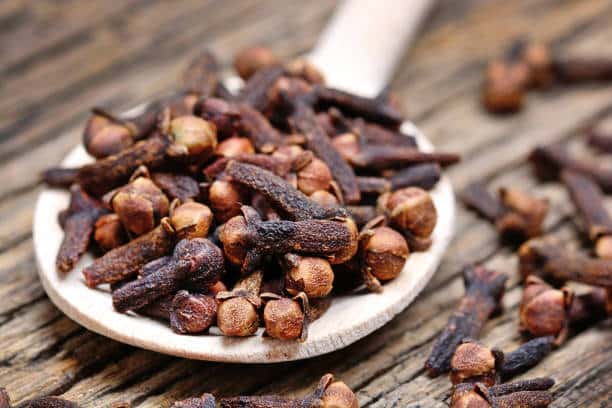
Growing cloves at home is more than just gardening: it’s a sensory adventure. You’ll enjoy a pure, aromatic, and natural spice grown with your own hands – an exotic gardening delight that you can enjoy all year round.