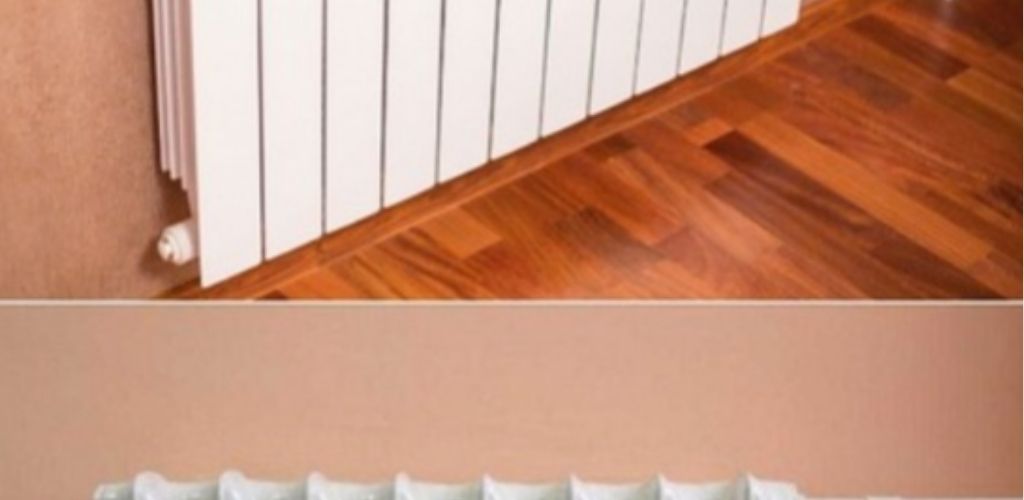
Discussions about the choice between cast iron and bimetallic radiators for heating do not subside.
My friend, an experienced heating specialist with twenty years of experience, helped me understand this issue.
He gives a 10-year guarantee on his work and always proves to be right in his judgments, which confirms his professionalism and passion for the work.
We will not discuss the appearance of radiators, because each has its own advantages.
Let’s talk about bimetallic radiators: they have an aluminum body with a ribbed shape and a metal core inside, through which the coolant circulates. Such radiators are either solidly cast or sectional, which allows you to change their size.
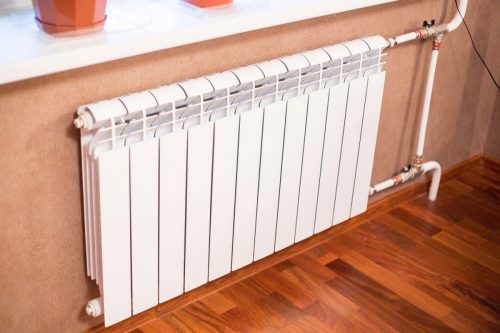
The heat output of bimetallic radiators is 160-180 W per section. They heat up quickly, which speeds up the heating of the room, but they also cool down quickly.
According to the manufacturer, these radiators can withstand pressures from 20 to 50 atmospheres, which makes them resistant to water hammer.
The maximum coolant temperature for them can reach 130 degrees. Bimetallic radiators are also resistant to low-quality coolant.
The service life of radiators, according to manufacturers, is 15-20 years. In addition, they are lightweight and can even be installed on drywall.
Now about cast iron radiators.
Modern cast iron faucets are available in classic and modern designs. They are also sectional, which allows you to adjust their size.
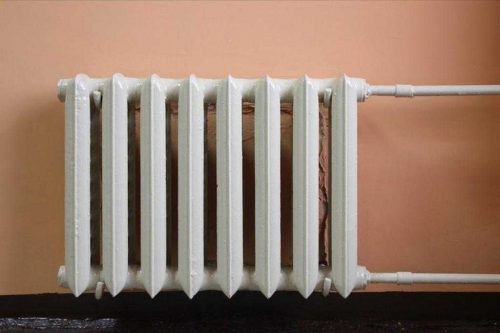
Their heat output is 100-160 W, which is less than that of bimetallic radiators. They take a long time to heat up, but they also cool down slowly.
Cast iron can withstand a pressure of 9-12 atmospheres, but can burst under strong water hammer. It is also resistant to contaminated coolant and can last up to 40 or even 100 years with proper care.
Cast iron radiators are heavier than bimetallic ones, which makes their installation more difficult.
The price of bimetallic radiators is higher than that of cast iron.
The bottom line is this: if you compare all the pros and cons, bimetallic radiators are better. However, if you already have cast iron batteries installed, do not rush to change them. First, try replacing one radiator and evaluate the difference. This will help you determine which type of radiators is best for your needs.