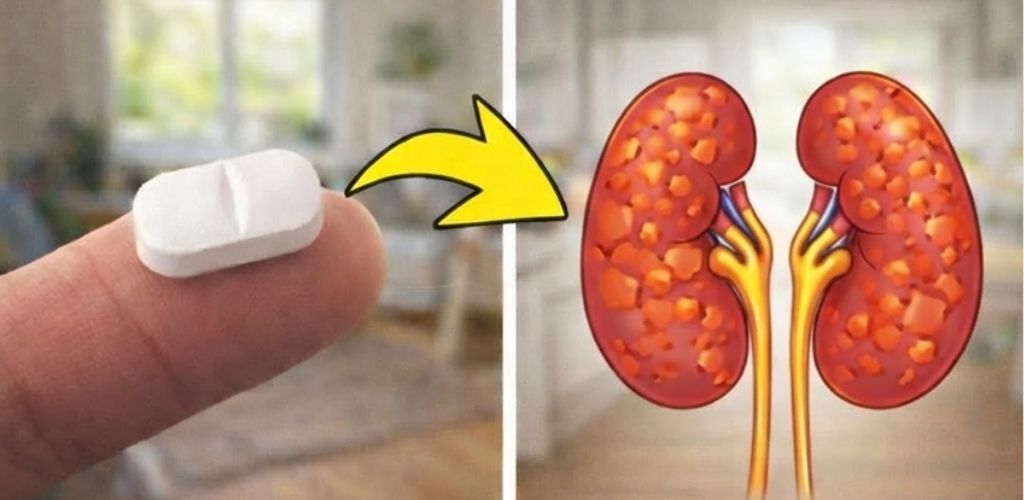
SILENT KILLERS IN YOUR MEDICINE KIT: FIVE MEDICINES THAT SLOWLY DESTROY YOUR HEALTH IF YOU TAK THEM FOR A LONG TIME!
Many of us are accustomed to reaching for the medicine cabinet at the slightest discomfort—whether it’s a headache, heartburn, or insomnia. These familiar remedies provide instant relief, but did you know that long-term, uncontrolled use of some of them can lead to serious health problems? Doctors are sounding the alarm, and research shows that our kidneys, digestive system, and even bones are under attack!
But don’t panic! We’re here to reveal the truth and show you how to stay safe. Yes, these medications are effective, but only when used correctly. And most importantly, there are often safer alternatives and simple life hacks that can help you reduce your dependence on pills. Get ready to learn why doctors so carefully weigh the benefits and risks when prescribing these medications, and how you can take control of your health!
WHY IS LONG-TERM MEDICATION USE MORE THAN JUST A HABIT?
No one is advocating throwing these medications away. They save lives and improve quality of life when used as directed. However, clinical guidelines, such as the renowned Beers Criteria, strongly urge extreme caution with their long-term use, especially in the elderly or those with chronic illnesses. Long-term use can lead to organ overload or even addiction. The key is awareness. Understanding the potential risks will empower you to have a productive dialogue with your doctor.
1. NSAIDs (Non-steroidal anti-inflammatory drugs) – Ibuprofen, Naproxen
These medications are our faithful companions for headaches, arthritis, and muscle pain. They are available without a prescription and quickly relieve inflammation.
BUT HERE’S THE CATCH: Regular, long-term use of NSAIDs can damage the kidneys, increase blood pressure, and cause stomach problems. The American Geriatrics Society recommends avoiding their routine long-term use whenever possible, especially if alternatives are available.
Why doctors are concerned: The kidneys filter these drugs, and over time this creates a strain, especially at high doses or in people with existing risks.
What to do: If pain is a frequent concern, monitor how often you reach for NSAIDs. Consider paracetamol for occasional use—it may be gentler on the stomach and kidneys in moderate doses. Many find that rest, light exercise, or warm compresses significantly reduce the need for pills.
2. PPIs (Proton Pump Inhibitors) – Omeprazole, Esomeprazole
These medications effectively reduce stomach acidity and are widely used for heartburn, reflux, and ulcer prevention. They really work!
BUT BE AWARE: Research shows that long-term use (more than a few months) may interfere with the absorption of vital nutrients such as calcium, magnesium, or vitamin B12, and in some cases may negatively impact bone health and kidney function. FDA and medical reviews point to these links, leading doctors to reconsider the need for their continued use.
What to do:
* Use the lowest effective dose for the shortest possible time.
* Start with lifestyle changes: eat smaller meals, avoid triggers (spicy foods late at night), and elevate the head of your bed.
* Discuss with your doctor periodic “breaks” or switching to antacids.
* Simple dietary changes often work wonders in reducing symptoms!
3. Paracetamol (Acetaminophen) – Tylenol
It is often considered a safer choice for pain or fever because it does not irritate the stomach like NSAIDs.
BUT CAUTION: Exceeding recommended doses can overload the liver over time. Research shows that accidental overdose is a common problem, especially when paracetamol is contained in other combination medications (such as cold medications).
How to stay safe:
* Strictly adhere to a dose of no more than 3000–4000 mg per day (read labels carefully!).
* Avoid alcohol if you take paracetamol regularly.
* Monitor the total amount of paracetamol you consume from all sources, including cold and flu medications.
* Doctors appreciate it when patients actively monitor this!
4. Benzodiazepines and similar hypnotics – Some prescription medications for insomnia
They help with short-term sleep problems or anxiety, providing quick relaxation.
BUT LONG-TERM USE CAUSES RISKS: Addiction, tolerance (requiring a higher dose to achieve the same effect), and potential impact on memory and balance. Recommendations are clear: it’s best used for short periods.
And here’s what’s interesting: many successfully switch to approaches that don’t involve taking medications!
What to try:
* Establish a strict sleep schedule (go to bed and wake up at the same time).
* Limit your use of gadgets and caffeine in the evening.
* Explore cognitive behavioral techniques for treating insomnia – they are often more effective in the long term.
* Your doctor can help you safely reduce your dosage if necessary.
5. Some antihistamines – Diphenhydramine (in sleeping pills or anti-allergy medications)
They are found in many over-the-counter sleep aids or allergy medications, blocking histamine to relieve symptoms.
BUT BE CAREFUL: Especially in the elderly, prolonged use may cause drowsiness, confusion, or dry mouth due to the so-called anticholinergic effect. The Beers Criteria clearly indicate the need for caution with long-term use.
Smart Substitutions: Choose non-sedating antihistamines for allergies, such as loratadine, or focus on sleep hygiene to improve rest.
WHAT YOU CAN DO RIGHT NOW: PRACTICAL TIPS FOR USING MEDICINES SAFELY
Here are simple habits that will help you take care of yourself:
* Always read the instructions and do not exceed the recommended dose.
* Tell your doctor about all medications you are taking, including over-the-counter medications and dietary supplements.
* Don’t hesitate to ask questions about potential side effects and possible alternatives.
* Record how often and in what doses you take your medications.
* Explore non-drug methods for symptom relief.
Remember, your health is your responsibility. Be vigilant and use your medications wisely!