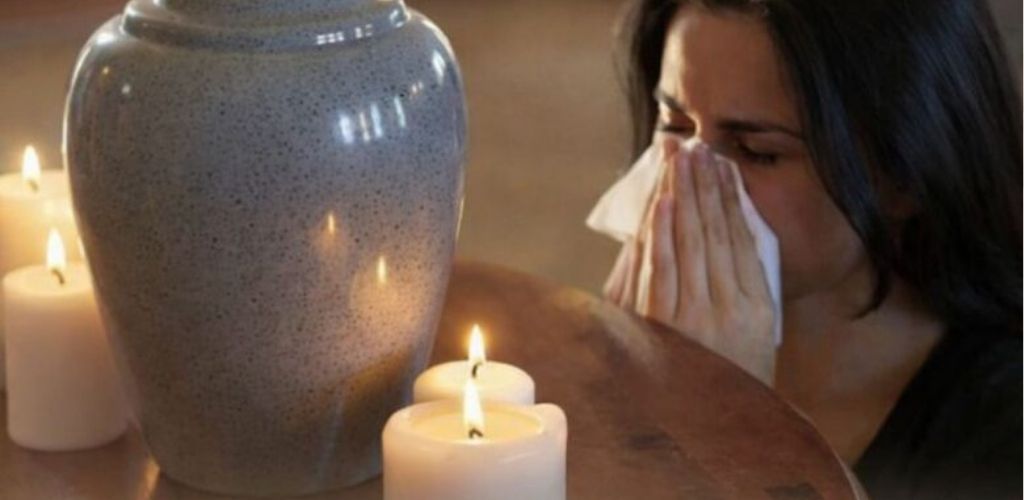
Receiving the ashes of a loved one is a profound and delicate moment . It involves not only a funeral arrangement but also an emotional, symbolic, and—for many—spiritual experience. Before deciding what to do, it’s helpful to understand some key aspects that are rarely explained and that can save you from doubts, guilt, or future conflicts.
🕊️ 1. The ashes are not the person , they are a symbol
From a psychological and cultural perspective, ashes represent the loved one, but they do not contain them. Understanding this helps to:
- to alleviate the anxiety of “doing something wrong”,
- make decisions calmly,
- separate the grief from the physical object.
The real bond lives on in memory, actions, and shared love.
📜 2. There are legal regulations (and they vary from country to country)
Before scattering, moving, or storing them at home, check local regulations. In many places:
- It is not permitted to scatter them in public spaces without authorization.
- There are rules for rivers, seas, or mountains,
- Air travel requires documentation.
Consulting avoids unnecessary penalties and problems.
🏠 3. Having them at home is not mandatory
Some people find comfort in keeping them; others experience:
- persistent sadness,
- difficulty in closing the grieving process,
- feeling of “not being able to go on”.
There is no single right answer. Listen to your emotional well-being , not other people’s expectations.
🧠 4. Grief can be reactivated
Receiving the ashes often marks a “second emotional impact.” It is normal to feel:
- sudden crying,
- empty,
- blame,
- confusion.
Allow yourself to feel. Grief is not linear and has no timeline .
✝️ 5. For many religions, there are specific recommendations
For example:
- In Catholicism, it is suggested to bury them or place them in a columbarium , not to divide or scatter them.
- Other traditions prefer rituals in nature.
If faith was important to the deceased person, honoring their beliefs can bring peace.
🤍 6. Don’t make hasty decisions
You are not obligated to decide immediately. You can:
- store them temporarily,
- wait until you feel ready,
- Talk to your family or a professional about it.
Time is also part of care.
🌿 7. The ritual matters more than the place
Whether it’s an intimate ceremony, a prayer, a letter, or a moment of silence, it’s the meaning you give it that helps you heal. Not the person or the exact place.
✨ Final reflection
Receiving the ashes is not “the end,” but a stage of the grieving process .
Do what allows you to remember with love, not with lasting pain.